
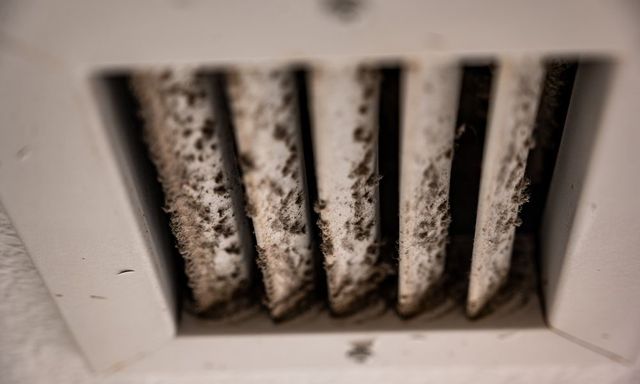
Black mold rarely shows up overnight, and it almost never starts as a disaster. In Fort Lauderdale, most homeowners ignore it at first because it looks small, smells faint, or hides behind something easy to overlook. That delay almost always turns a manageable issue into an expensive one. We see the same pattern play out again and again inside local homes.
This article explains why ignoring black mold costs more in Fort Lauderdale homes, based on real inspection data, real remediation jobs, and the mistakes homeowners unintentionally repeat.
Why Black Mold Thrives in Fort Lauderdale Homes
Living in Fort Lauderdale means constant humidity, frequent rain, and heavy air conditioning use. Black mold doesn’t need flooding to grow. It needs moisture that sticks around long enough to soak into building materials.
Common triggers we find include:
- Slow plumbing leaks inside walls
- AC condensation problems
- Roof or window intrusion
- Poor bathroom ventilation
Ever notice how a home can look clean and still feel “off”? Black mold usually explains that feeling.
The Costliest Mistake: Waiting Too Long
The biggest reason black mold remediation gets expensive comes down to one thing—time. Mold spreads quietly while homeowners wait for clearer signs. By the time black mold becomes obvious, it rarely stays contained.
Waiting allows:
- Mold to spread into surrounding materials
- Moisture to keep feeding growth
- Spores to circulate through the home
- Structural damage to develop
Small problems stay affordable. Ignored problems don’t.
What Makes Black Mold Different From Other Mold
Not all mold behaves the same way. Black mold tends to embed deeply into porous materials like drywall, wood, and insulation. Once it takes hold, surface cleaning stops working entirely.
Black mold often:
- Penetrates wall cavities
- Releases higher spore counts
- Spreads faster in damp environments
- Causes stronger odors
That’s why black mold remediation almost always involves material removal, not just cleaning.
“I Would See It If It Was Serious” Is Usually Wrong
This assumption costs homeowners a lot of money. Black mold prefers dark, undisturbed areas where moisture stays trapped. Visibility doesn’t equal severity.
We frequently find black mold:
- Behind bathroom walls
- Under kitchen cabinets
- Inside HVAC systems
- Above ceilings near AC lines
When black mold finally becomes visible, it has usually grown far beyond that spot.
Mold Inspection: Why It Saves Money
A proper mold inspection focuses on moisture and conditions, not just visible growth. Inspections help identify black mold early, before damage spreads.
During inspections, we check:
- Moisture levels inside walls
- Areas near plumbing and AC systems
- Past water damage locations
- Ventilation effectiveness
Skipping inspections doesn’t avoid costs. It delays them.
When Mold Testing Becomes Necessary
Not every situation requires mold testing, but black mold often does. Testing helps confirm airborne spore levels and contamination scope, especially when growth stays hidden.
Testing proves useful when:
- Odors persist without visible mold
- Health symptoms worsen indoors
- Mold returns after cleaning
- Real estate or insurance documentation matters
Testing replaces guesswork with evidence.
How Black Mold Spreads While Ignored
Black mold doesn’t stay put. It spreads through air movement, materials, and HVAC systems. Fort Lauderdale homes rely heavily on AC, which accelerates distribution.
We often see:
- Spores entering ductwork
- Mold appearing in multiple rooms
- Contamination spreading behind walls
- Odors traveling through the home
Once HVAC systems get involved, remediation scope expands quickly.
Mold Removal vs. Mold Remediation: Where Costs Multiply
Many homeowners confuse mold removal with mold remediation, and that confusion gets expensive. Removal handles contamination. Remediation stops recurrence.
Here’s the difference:
- Mold removal eliminates affected materials
- Mold remediation corrects moisture sources
Ignoring remediation guarantees black mold returns. Repeat jobs cost more every time.
DIY Black Mold Cleanup Usually Makes Things Worse
We understand why homeowners try handling black mold themselves. Unfortunately, DIY cleanup often spreads contamination and increases final costs.
DIY attempts fail because:
- Scrubbing releases spores
- Hidden growth remains untouched
- Moisture sources stay active
- Proper containment stays absent
We frequently remediate larger areas after DIY attempts than before.
Structural Damage Drives Costs Higher
Black mold doesn’t just affect air quality. It weakens materials slowly and steadily. Damage often remains hidden until removal begins.
Common structural issues include:
- Deteriorated drywall
- Rotted wood framing
- Compromised insulation
- Damaged flooring and subfloors
Structural repairs add thousands to remediation costs when mold stays ignored.
Health Costs Add Up Quietly
Financial costs don’t tell the full story. Black mold often triggers health symptoms that lead to doctor visits, medications, and missed work.
Homeowners commonly report:
- Chronic congestion or coughing
- Headaches indoors
- Fatigue at home
- Worsening asthma symptoms
Treating symptoms without addressing mold keeps expenses ongoing.
Why Fort Lauderdale Homes Face Higher Risk
Homes throughout Broward County face mold pressure, but Fort Lauderdale adds coastal humidity and dense housing. Moisture control becomes a constant challenge.
We regularly see:
- High indoor humidity
- Continuous AC cycling
- Aging plumbing systems
- Older building materials
Black mold thrives when conditions stay stable and damp year-round.
How Ignored Black Mold Affects Property Value
Black mold rarely stays hidden forever. Inspectors, buyers, and insurers eventually find it. When they do, consequences escalate quickly.
Ignored black mold can lead to:
- Failed home inspections
- Reduced resale value
- Insurance complications
- Delayed or canceled sales
Early remediation protects both health and investment.
How Professionals Stop Black Mold From Getting Worse
Professional mold remediation focuses on containment, correction, and verification. We don’t chase visible mold blindly. We remove conditions that allow growth.
Effective remediation includes:
- Containment to prevent spread
- HEPA filtration during work
- Removal of contaminated materials
- Moisture correction and verification
Stopping mold early always reduces total cost.
How Often Fort Lauderdale Homes Should Be Checked
Preventive inspections save money long-term. We recommend mold inspections:
- Annually
- After plumbing or roof leaks
- When musty odors appear
- Before buying or selling a home
Early detection limits damage and expense.
Final Thoughts: Ignoring Black Mold Always Costs More
Black mold doesn’t disappear on its own. It spreads quietly, damages materials, and impacts health while homeowners wait. That’s why ignoring it always costs more in Fort Lauderdale homes.
The solution stays consistent: thorough mold inspection, targeted mold testing, proper mold removal, and complete mold remediation. Act early, and costs stay controlled. Delay action, and black mold takes advantage every single time.
If something feels off in your Fort Lauderdale home, don’t wait for proof on the surface. Black mold hides well, but the consequences never stay hidden for long.
