
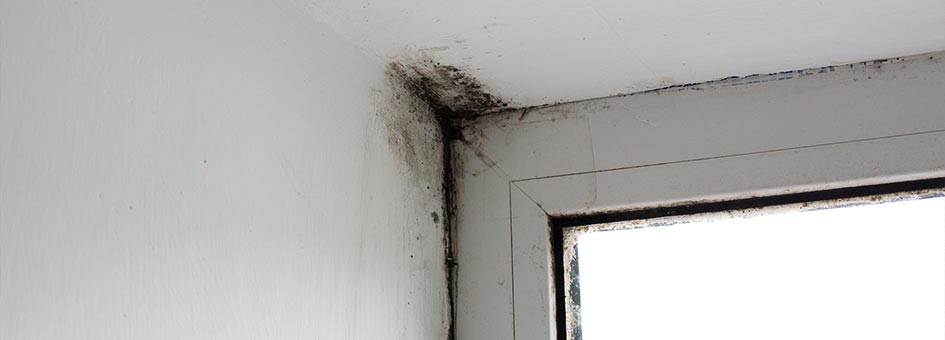
Water damage rarely feels urgent at first. A small leak dries up, a stain fades, and life moves on. In Hollywood, that mindset causes more mold problems than storms ever do. We’ve inspected plenty of homes where water damage seemed minor at the time, only to uncover widespread mold months later.
This article breaks down how water damage turns into mold problems in Hollywood homes, using lessons pulled straight from real inspections. No scare tactics, no theory overload, just practical insight homeowners actually need.
Why Water Damage Doesn’t End When Things Look Dry
Living in Hollywood means humidity stays high almost year-round. When water enters a home, drying the surface doesn’t always dry what matters. Moisture often remains trapped where homeowners can’t see it.
We regularly find moisture lingering:
- Inside wall cavities
- Under flooring
- Behind cabinets
- Around HVAC components
Ever wondered why mold shows up weeks or months after a leak? Trapped moisture explains that delay almost every time.
The Moisture Timeline Most Homeowners Miss
Water damage follows a predictable timeline. Mold doesn’t grow instantly, but it doesn’t wait forever either. Timing plays a huge role in whether damage stays manageable or spirals.
Here’s what we see repeatedly:
- First 24–48 hours: materials absorb moisture
- Days 3–7: hidden areas stay damp
- Week 2 onward: mold growth begins
- Months later: odors, symptoms, and visible damage appear
Waiting for visible mold almost guarantees a bigger problem.
Why Small Leaks Cause Big Mold Problems
Homeowners often dismiss slow leaks because they don’t cause dramatic damage. Unfortunately, slow leaks create ideal mold conditions. Constant moisture feeds mold better than sudden flooding that dries quickly.
Common slow-leak sources include:
- Dripping supply lines
- AC drain line issues
- Dishwasher or washing machine hoses
- Window or roof seepage
Slow leaks stay hidden longer. Mold loves consistency.
How Water Damage Spreads Beyond the Original Area
Water rarely stays where it enters. Gravity, capillary action, and airflow move moisture far beyond the visible spot. During inspections, we often find mold nowhere near the original leak.
Water damage commonly spreads:
- Down wall studs
- Under flooring materials
- Into adjacent rooms
- Toward HVAC systems
Homeowners fix one spot while mold grows somewhere else entirely.
Mold Inspection: What We Look for After Water Damage
A proper mold inspection after water damage focuses on conditions, not just stains. We track moisture paths and identify areas where drying likely failed.
During inspections, we examine:
- Moisture levels inside walls
- Flooring and subflooring
- HVAC components
- Insulation and framing
Skipping inspections after water damage almost always leads to missed mold growth.
When Mold Testing Confirms the Problem
Not all water damage requires mold testing, but testing becomes valuable when mold stays hidden. Air and surface samples help confirm whether water damage progressed into active mold growth.
Testing helps when:
- Odors linger after drying
- Health symptoms appear indoors
- Mold keeps returning
- Documentation matters for insurance or real estate
Testing replaces uncertainty with clear answers.
How HVAC Systems Turn Water Damage Into Whole-Home Mold
HVAC systems play a huge role after water damage. Moisture near air handlers or ductwork spreads spores quickly once mold starts growing.
We frequently find:
- Mold near AC drain pans
- Wet insulation inside ducts
- Contaminated air handlers
- Spores circulating through vents
Once HVAC systems get involved, mold stops being a single-room issue.
Why Drying Alone Doesn’t Prevent Mold
Many homeowners rely on fans and dehumidifiers after water damage. Those tools help, but they don’t guarantee success. Drying visible surfaces doesn’t mean hidden materials dry properly.
Drying often fails because:
- Moisture stays inside walls
- Insulation holds water
- Airflow doesn’t reach cavities
- Humidity rebounds quickly
Drying without verification leaves too much to chance.
Mold Removal vs. Mold Remediation After Water Damage
This is where costs start to climb. Mold removal addresses contamination that already exists. Mold remediation prevents future growth by fixing moisture conditions.
Here’s the key difference:
- Mold removal removes affected materials
- Mold remediation corrects moisture sources
Handling water damage without remediation invites mold back every time.
Real Inspection Lesson: The “Minor” Bathroom Leak
One inspection stands out. A homeowner fixed a small bathroom leak and repainted the wall. Six months later, musty odors appeared. Inspection revealed mold behind the shower wall, inside insulation, and under flooring.
The original leak stayed small. The mold problem didn’t. Early inspection would have limited the damage significantly.
Structural Damage Builds Quietly Over Time
Water damage followed by mold doesn’t just affect air quality. It weakens building materials slowly. Structural damage often surprises homeowners during remediation.
We commonly uncover:
- Deteriorated drywall
- Rotted baseboards
- Compromised subflooring
- Damaged wood framing
Structural repairs add cost that early action often avoids.
Health Symptoms Often Appear Before Visible Mold
Many homeowners notice health changes before they see mold. Water damage followed by mold often triggers subtle symptoms first.
Common complaints include:
- Congestion or sneezing indoors
- Headaches at home
- Fatigue without explanation
- Worsening asthma symptoms
When symptoms improve outside the house, mold deserves investigation.
Why Broward County Homes Face Higher Risk After Water Damage
Homes throughout Broward County face consistent humidity and warm temperatures. Materials dry slower here than in drier climates.
We routinely deal with:
- High ambient humidity
- Constant AC cycling
- Limited natural drying
- Aging building materials
Water damage needs faster, more thorough response in this environment.
How Professionals Stop Mold After Water Damage
Professional response focuses on prevention, not just cleanup. We aim to interrupt the mold timeline before growth spreads.
Effective response includes:
- Moisture mapping
- Targeted drying
- Material removal when necessary
- Verification before closing walls
Stopping mold early always costs less.
How Long Homeowners Should Monitor After Water Damage
Even after repairs, monitoring matters. Moisture problems don’t always resolve immediately.
We recommend follow-up checks:
- Within 30 days
- After humidity spikes
- If odors appear
- Before renovations
Monitoring catches problems while they stay manageable.
Preventing Mold After Future Water Damage
No home avoids water damage forever. Preparation reduces mold risk when it happens.
Smart prevention includes:
- Addressing leaks immediately
- Using qualified drying methods
- Inspecting hidden areas
- Maintaining HVAC systems
Speed and verification matter most.
Final Thoughts: Water Damage Writes the Mold Story
Most mold problems in Hollywood homes start with water damage that seemed minor at the time. Mold doesn’t appear randomly. It follows moisture every step of the way.
The solution stays consistent: thorough mold inspection, targeted mold testing, proper mold removal, and complete mold remediation. Address water damage correctly, and mold never gets the chance to take over.
If your Hollywood home experienced water damage, even briefly, don’t assume the story ended when things dried. Mold problems write themselves quietly. Catching them early keeps the ending far less expensive.
