
What We See Inside Homes: Mold Remediation Insights for Homes in
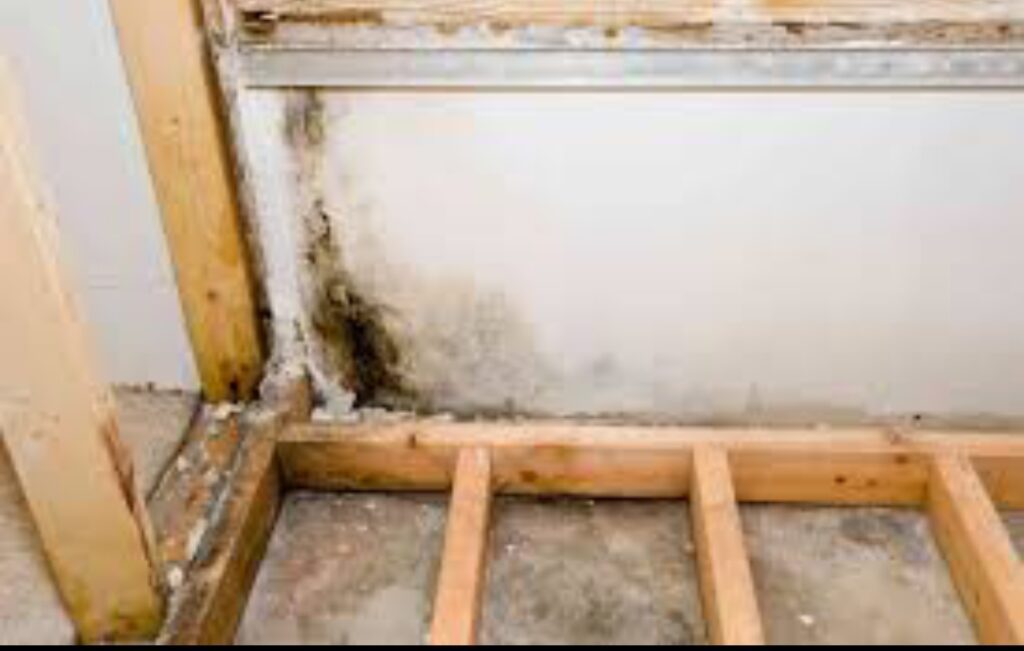
Mold remediation is one of the most misunderstood services homeowners in Pompano Beach deal with. Many people assume remediation simply means cleaning visible mold, but what we actually see inside homes tells a very different story. In reality, remediation is about removing mold safely, stopping it at the source, and preventing it from spreading or returning.
Pompano Beach homes face constant humidity, salt air, and heavy air-conditioning use. These conditions allow mold to grow quietly in hidden areas long before homeowners realize there’s a problem. By the time remediation is needed, mold is rarely limited to what’s visible on the surface.
One of the most important things inspections reveal is that mold remediation starts before any removal happens. Identifying how far mold has spread and what moisture source is feeding it determines how effective remediation will be.
Common findings during inspections include:
- Mold behind bathroom and kitchen drywall
- Growth under sinks with slow leaks
- Mold around AC air handlers and drain pans
- Contaminated insulation in walls or ceilings
These hidden areas explain why surface cleaning almost never solves mold problems.
Containment is a critical part of remediation that homeowners don’t always see but absolutely benefit from. When mold is disturbed, spores become airborne. Without containment, those spores spread to clean areas of the home.
Professional remediation in Pompano Beach homes typically uses:
- Sealed plastic barriers
- Controlled work zones
- Negative air pressure
- HEPA air filtration
This keeps mold from spreading during the removal process.
Another key insight from real remediation projects is that not all materials can be saved. Porous materials absorb moisture and allow mold to grow deep inside them.
Materials that often require removal include:
- Drywall
- Insulation
- Carpet padding
- Pressboard cabinets
Removing these materials eliminates the source of spores and allows the structure to dry properly.
Moisture control is the foundation of successful remediation. Mold cannot grow or return without moisture, and inspections in Pompano Beach almost always trace mold back to unresolved moisture issues.
Common moisture sources include:
- High indoor humidity
- AC condensation and drain line problems
- Plumbing leaks inside walls
- Roof or window intrusion
Removing mold without correcting moisture leads to repeat problems.
HVAC systems frequently play a role in remediation cases. Mold near air handlers or ductwork can reintroduce spores into the home even after affected areas are removed.
Inspections often include:
- Evaluating HVAC moisture
- Inspecting ductwork and air handlers
- Addressing airflow and drainage issues
Correcting HVAC-related moisture helps remediation last.
DIY remediation attempts are a common reason remediation becomes more extensive later. Scrubbing or spraying mold without containment can release spores and spread contamination.
What inspections often show after DIY attempts:
- Hidden mold remains active
- Mold spreads to nearby areas
- Remediation scope increases
Professional remediation focuses on stopping the problem, not masking it.
After mold removal, proper drying and verification are essential. Affected areas must be dried thoroughly, and moisture levels should return to normal before repairs are completed.
Homes that skip this step often experience mold returning in the same areas.
Timing plays a major role in remediation outcomes. Early remediation typically involves smaller affected areas and lower costs. Delaying action allows mold to spread deeper into materials, increasing both disruption and expense.
Inspection data consistently shows early action leads to better results.
Professional remediation is a structured, controlled process—not an emergency reaction. When done correctly, it restores indoor conditions and prevents ongoing mold issues.
Homes that address mold properly experience:
- Improved indoor air quality
- Reduced recurrence
- Less long-term damage
- Better overall comfort
Homes in face constant moisture challenges that make proper mold remediation essential when mold is present.
