
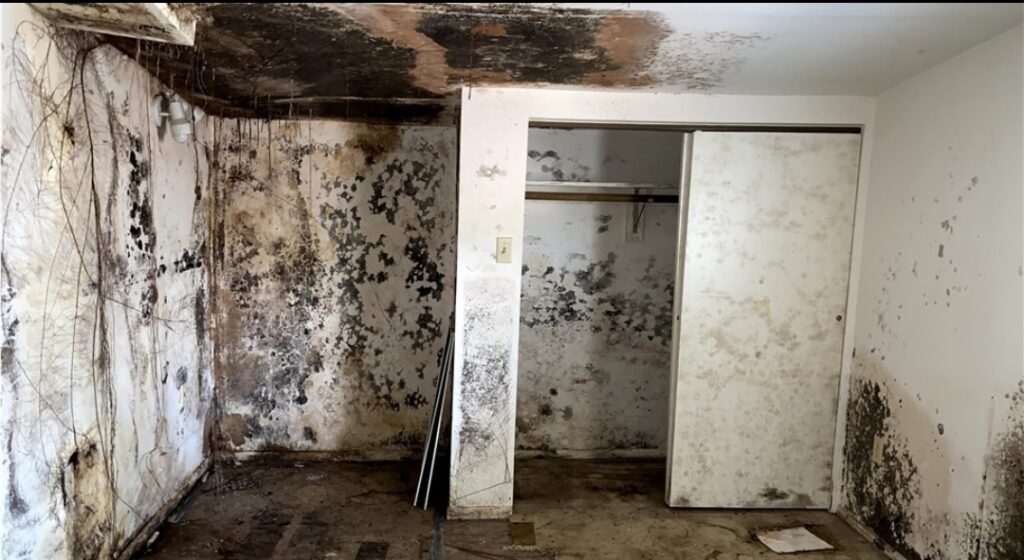
Why Mold Grows in Florida Homes – A Homeowner’s Guide for Homes in
Mold growth is one of the most common issues homeowners across Florida face, and it often surprises people who keep their homes clean and well maintained. What real inspections show is that mold in Florida homes is rarely about cleanliness. It’s about environmental conditions—specifically humidity, moisture, and airflow—that quietly support mold over time.
Florida’s warm climate, frequent rain, and year-round air conditioning create ideal conditions for mold. In many homes, mold doesn’t appear after a dramatic event. Instead, it develops slowly as small moisture issues go unnoticed and untreated.
One of the most important things homeowners should understand is that humidity alone can cause mold growth. Mold does not need standing water or visible leaks. When indoor humidity stays elevated, moisture settles into porous materials like drywall, wood, and insulation.
Across Florida homes, inspections commonly link mold growth to:
- High indoor humidity
- Homes kept closed most of the year
- Limited fresh air exchange
- Continuous AC operation
Even without leaks, these conditions allow mold spores to activate and grow.
Another key factor is where mold prefers to grow. Mold thrives in dark, low-airflow areas that stay slightly damp. It does not need light, and it grows best where moisture evaporates slowly.
Common hidden mold locations in Florida homes include:
- Behind bathroom and kitchen walls
- Under sinks with slow plumbing leaks
- Inside HVAC air handlers and ductwork
- Closets, attics, and wall cavities
Because these areas are rarely inspected, mold often spreads before homeowners realize there’s a problem.
HVAC systems play a major role in mold growth throughout Florida. Air conditioning cools the air but doesn’t always remove enough moisture—especially if systems are oversized or short-cycle.
Inspections frequently reveal:
- Condensation buildup inside air handlers
- Mold near evaporator coils and drain pans
- Moisture trapped in insulated ductwork
Once mold develops in HVAC components, spores can circulate throughout the entire home.
Water intrusion is another common contributor. Even small leaks can support mold growth when they persist over time.
Typical moisture sources include:
- Minor roof or window leaks
- Plumbing leaks inside walls
- AC drain line clogs
- Past water damage that never fully dried
Because these issues often stay hidden, mold has time to establish itself.
A common misconception is that new or clean homes don’t get mold. In reality, mold feeds on moisture and organic materials, not dirt. Drywall paper, wood framing, insulation, and dust all provide food sources.
This is why inspections frequently find mold in:
- Newly built homes
- Recently renovated properties
- Homes that appear spotless
Cleanliness alone does not prevent mold in Florida.
Another lesson from inspections is that mold growth often starts gradually. Homeowners may notice subtle changes long before visible mold appears.
Early indicators include:
- Musty odors that come and go
- Air that feels damp or heavy
- Condensation on vents or windows
- Mold that keeps returning after cleaning
These signs often appear weeks or months before visible growth.
Time plays a critical role. The longer moisture remains present, the more mold spreads into surrounding materials. Inspections show that early moisture issues usually lead to small, manageable mold areas, while delayed action allows mold to expand and require more extensive remediation.
Addressing moisture early:
- Limits mold growth
- Reduces repair costs
- Protects indoor air quality
Waiting allows problems to grow quietly.
DIY cleaning is another reason mold becomes a recurring issue. Surface cleaning may remove visible mold but does not address moisture or hidden growth inside materials.
This is why inspections often uncover mold behind freshly painted or cleaned surfaces.
Professional inspections focus on identifying why mold is growing, not just where it’s visible. Moisture detection, HVAC evaluation, and targeted inspection methods provide homeowners with clear answers.
This approach helps prevent repeat problems instead of reacting to symptoms.
Homes across face year-round environmental conditions that make mold growth common when moisture is unmanaged.
