
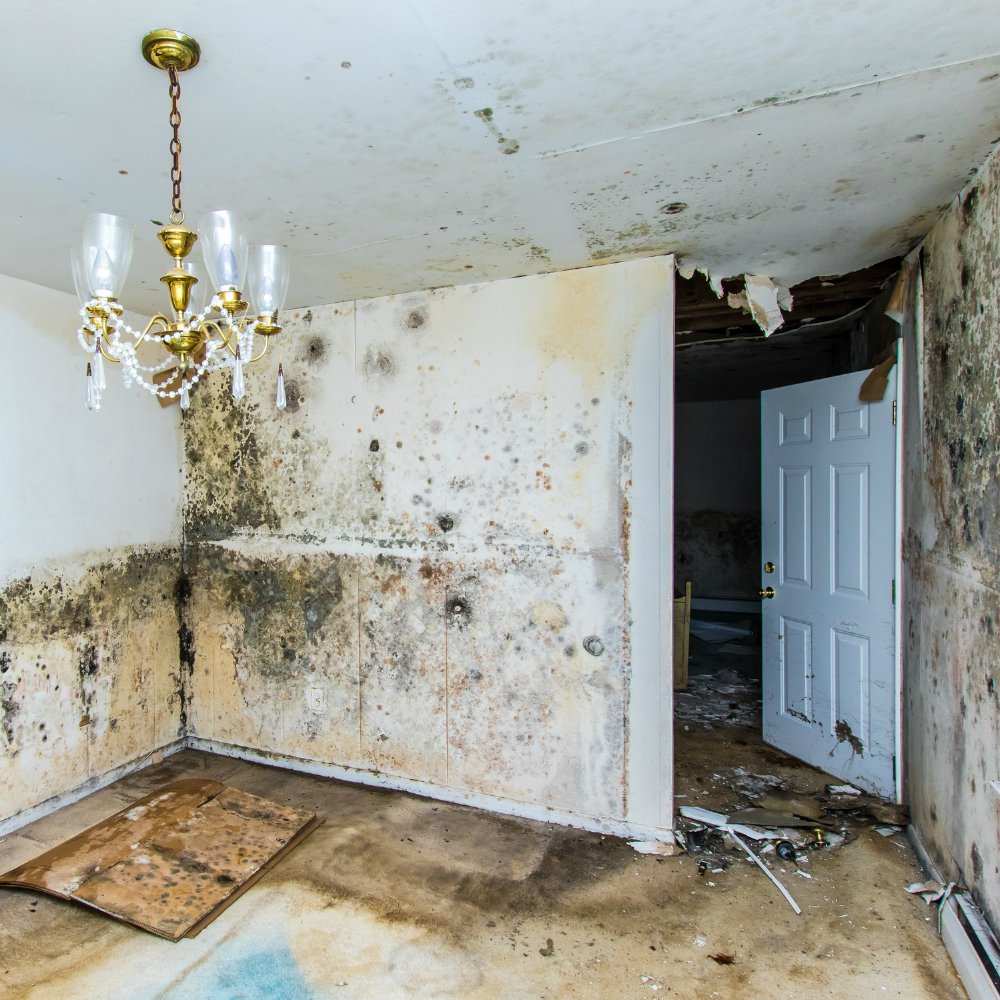
Water damage doesn’t usually feel like an emergency. A small leak dries, a stain gets painted over, and life keeps moving. In Miramar, that calm response causes more mold problems than hurricanes ever do. We’ve inspected countless homes where water damage seemed harmless at first, only to reveal mold spreading quietly behind walls weeks or months later.
This article explains how water damage turns into mold problems in Miramar homes, without scare tactics or exaggeration. These are real risks we document during actual inspections, explained in plain language homeowners can use.
Why Water Damage Rarely Ends When Surfaces Look Dry
Living in Miramar means warm air, high humidity, and heavy AC use most of the year. When water enters a home, visible drying doesn’t guarantee real drying. Moisture often stays trapped where airflow can’t reach.
We frequently find lingering moisture:
- Inside wall cavities
- Beneath flooring and baseboards
- Behind kitchen and bathroom cabinets
- Around AC systems and drain lines
Ever notice mold appearing long after a leak? That delay usually points to trapped moisture, not a new problem.
The Moisture Timeline Homeowners Don’t See
Water damage follows a predictable pattern. Mold doesn’t show up instantly, which is why people underestimate the risk. Time gives moisture a chance to settle into materials.
Here’s what inspections consistently show:
- First 48 hours: materials absorb moisture
- Days 3–7: hidden areas stay damp
- Week 2 onward: mold begins forming
- Months later: odors, symptoms, and visible damage appear
Waiting for visible mold means the process already advanced.
Why Small Water Events Cause Big Mold Problems
Homeowners often dismiss minor leaks because they don’t flood rooms. Unfortunately, slow or intermittent leaks create ideal mold conditions. Mold prefers steady moisture over dramatic events.
Common overlooked sources include:
- Dripping plumbing connections
- AC drain line backups
- Washing machine hose seepage
- Window and roof intrusion
Slow leaks stay hidden longer. Mold benefits from that silence.
How Water Travels Farther Than Expected
Water doesn’t stay where it starts. Gravity and building materials move moisture through walls and floors in ways most homeowners never expect.
During inspections, we regularly trace water:
- Down wall studs
- Under adjacent flooring
- Into neighboring rooms
- Toward HVAC systems
Fixing the visible leak doesn’t stop moisture that already traveled elsewhere.
Mold Inspection After Water Damage: What Actually Matters
A proper mold inspection after water damage focuses on conditions, not just stains. We track moisture paths and identify areas that never dried properly.
Our inspections include:
- Moisture readings inside walls
- Checks around plumbing and AC systems
- Flooring and subfloor evaluation
- Insulation and framing review
Skipping inspections after water damage usually means missing early mold growth.
When Mold Testing Becomes Useful
Not every water incident requires mold testing, but testing helps when mold remains hidden. Air and surface samples confirm whether water damage progressed into contamination.
Testing helps when:
- Musty odors persist
- Health symptoms appear indoors
- Mold returns after cleaning
- Documentation matters for real estate or insurance
Testing replaces assumptions with clarity.
HVAC Systems Turn Local Damage Into Whole-Home Problems
HVAC systems play a major role after water damage. Moisture near air handlers or ductwork allows mold to spread through airflow.
We often discover:
- Mold near AC drain pans
- Damp insulation inside ducts
- Contaminated air handlers
- Spores exiting supply vents
Once HVAC systems get involved, mold stops being localized.
Why Drying Alone Doesn’t Stop Mold
Fans and dehumidifiers help after water damage, but they don’t guarantee success. Drying visible areas doesn’t mean internal materials dry fully.
Drying fails when:
- Moisture stays inside walls
- Insulation retains water
- Airflow misses cavities
- Humidity rebounds quickly
Drying without verification leaves too much risk behind.
Mold Removal vs. Mold Remediation After Water Damage
This is where homeowners often get misled. Mold removal handles contamination that already exists. Mold remediation prevents future growth by fixing moisture conditions.
Here’s the distinction:
- Mold removal removes affected materials
- Mold remediation eliminates moisture sources
Handling water damage without remediation allows mold to return.
Real Inspection Lesson: The “Fixed” Laundry Leak
One Miramar home had a small laundry room leak that seemed resolved. The homeowner replaced flooring and moved on. Months later, odors appeared. Inspection revealed mold behind drywall, inside insulation, and beneath baseboards.
The leak stayed minor. The mold problem didn’t. Early inspection would have limited the scope dramatically.
Structural Damage Builds Quietly
Water damage followed by mold doesn’t just affect air quality. It slowly weakens materials. Structural issues often appear only after removal begins.
We commonly uncover:
- Deteriorated drywall
- Soft or rotted baseboards
- Compromised subflooring
- Damaged wood framing
Structural repairs add cost that early intervention often avoids.
Health Symptoms Often Appear First
Many homeowners notice health changes before they see mold. Water damage followed by mold frequently triggers subtle symptoms.
Common complaints include:
- Congestion indoors
- Headaches at home
- Fatigue without explanation
- Worsening asthma symptoms
When symptoms improve outside the house, mold deserves investigation.
Why Miramar Homes Face Higher Mold Risk After Water Damage
Homes throughout Broward County face constant humidity and warm temperatures. Miramar homes dry slower than homeowners expect.
We regularly deal with:
- High indoor humidity
- Constant AC cycling
- Limited natural drying
- Aging plumbing and insulation
Water damage needs faster, more thorough response in this environment.
How Professionals Stop Mold After Water Damage
Professional response focuses on prevention, not just cleanup. The goal involves interrupting the mold timeline early.
Effective response includes:
- Moisture mapping
- Targeted drying
- Selective material removal
- Verification before rebuilding
Stopping mold early always reduces overall cost.
How Long Homeowners Should Monitor After Water Damage
Even after repairs, monitoring matters. Moisture problems don’t always resolve immediately.
We recommend follow-up checks:
- Within 30 days
- After humidity spikes
- If odors appear
- Before renovations
Monitoring catches problems while they remain manageable.
Preventing Mold After Future Water Damage
No home avoids water damage forever. Preparation lowers mold risk significantly.
Smart prevention includes:
- Addressing leaks immediately
- Using proper drying methods
- Inspecting hidden areas
- Maintaining HVAC systems
Speed and verification matter more than perfection.
Final Thoughts: Water Damage Creates Mold Problems Quietly
Most mold problems in Miramar homes start with water damage that didn’t seem serious at the time. Mold doesn’t appear randomly. It follows moisture every single time.
The solution stays consistent: thorough mold inspection, targeted mold testing, proper mold removal, and complete mold remediation. Address water damage correctly, and mold never gets the chance to grow.
If your Miramar home experienced water damage, even briefly, don’t assume the issue ended when surfaces dried. Real risks don’t announce themselves loudly, but catching them early keeps costs, damage, and stress under control.
