
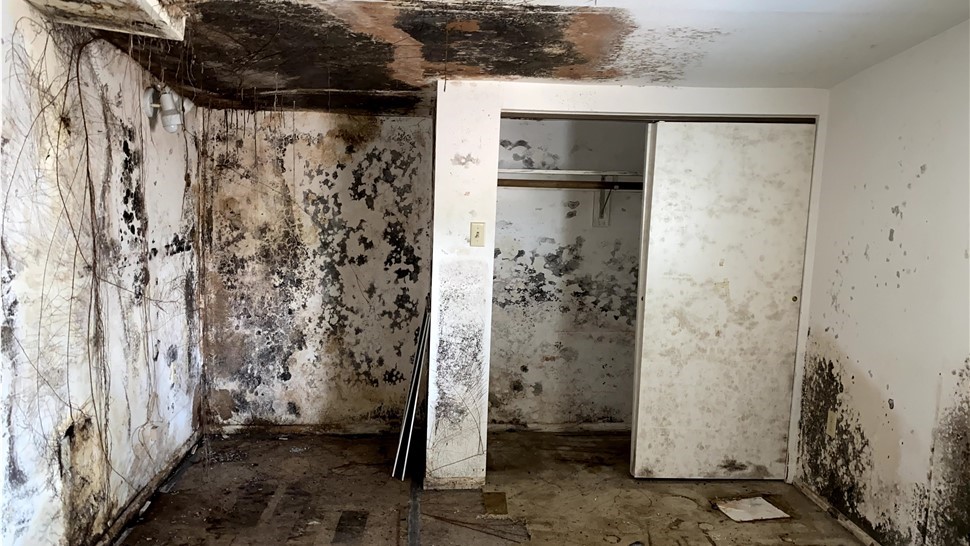
Allergies don’t usually send clear warning labels. Sneezing, congestion, itchy eyes, headaches—it’s easy to blame pollen, dust, or just another bad week. In Miramar, we regularly inspect homes where allergy symptoms linger no matter how much cleaning happens. More often than not, mold sits quietly in the background, triggering reactions homeowners never connect to their house.
This guide explains how mold and allergies connect in Miramar homes, based on what we actually observe during inspections. No panic language, no exaggerated claims—just real information homeowners need to protect their health and their homes.
Why Mold and Allergies Go Hand in Hand in Miramar Homes
Living in Miramar means humidity stays high most of the year. Mold thrives in damp environments, and allergic reactions thrive right alongside it. Mold releases spores into the air, and those spores act like allergens once inhaled.
We often see homeowners focus on outdoor allergens while the real trigger lives indoors. Ever notice symptoms improve when you leave the house? That pattern usually points inward, not outside.
How Mold Triggers Allergy Symptoms
Mold spores behave like microscopic irritants. When people inhale them, immune systems react, especially in those with sensitivities or asthma. The reaction doesn’t require visible mold or strong odors.
Common allergy symptoms linked to mold include:
- Sneezing and nasal congestion
- Itchy or watery eyes
- Coughing or throat irritation
- Headaches or sinus pressure
Symptoms often worsen indoors and ease up elsewhere. That contrast matters.
Why Mold Allergies Feel So Inconsistent
Mold-related allergies confuse homeowners because symptoms fluctuate. Some days feel fine. Other days feel miserable. That inconsistency leads people to dismiss mold as a cause.
Here’s why symptoms vary:
- HVAC systems circulate spores intermittently
- Humidity changes affect mold activity
- Mold growth releases spores unevenly
- Exposure increases during AC cycles
Allergies tied to mold don’t behave like seasonal pollen allergies. They come and go based on indoor conditions.
Hidden Mold Creates the Biggest Allergy Problems
Visible mold catches attention quickly. Hidden mold causes the longest-lasting allergy issues. Mold growing behind walls, under cabinets, or inside HVAC systems releases spores without obvious signs.
We frequently find hidden mold:
- Behind bathroom walls
- Under kitchen sinks
- Inside AC air handlers
- Within duct insulation
Homeowners clean surfaces and still feel sick because the source stays untouched.
Mold Inspection: The First Step Toward Allergy Relief
A proper mold inspection focuses on conditions, not just visible growth. We look for moisture, airflow issues, and locations where mold commonly hides.
During inspections, we check:
- Moisture levels inside walls
- HVAC systems and ductwork
- Bathrooms and kitchens
- Past water damage areas
Treating allergies without identifying mold often leads nowhere. Identifying the source changes everything.
When Mold Testing Helps Allergy Sufferers
Not every situation requires mold testing, but allergy-related cases often benefit from it. Testing helps measure airborne spore levels and identify whether mold contributes to symptoms.
Testing becomes useful when:
- Symptoms persist year-round
- No visible mold appears
- Multiple people feel affected
- Documentation matters for doctors or landlords
Testing provides clarity when symptoms don’t match expectations.
HVAC Systems: The Allergy Multiplier
HVAC systems play a massive role in mold-related allergies. Once mold grows inside air handlers or ducts, spores distribute throughout the entire home.
We commonly discover:
- Mold on evaporator coils
- Damp insulation inside ducts
- Contaminated drain pans
- Spores exiting supply vents
Every time the AC runs, exposure increases. That’s why symptoms often worsen at home.
Mold Removal and Allergy Relief: What Actually Works
Mold removal eliminates contaminated materials and surfaces. When done properly, homeowners often notice symptom improvement quickly. Surface cleaning alone rarely produces lasting relief.
Effective removal includes:
- Containment to prevent spore spread
- HEPA filtration during work
- Removal of damaged materials
- Detailed cleaning of affected areas
Temporary relief fades when hidden mold remains.
Mold Remediation: Preventing Symptoms From Returning
This step matters just as much as removal. Mold remediation addresses moisture and conditions that allow mold to grow in the first place.
Remediation typically involves:
- Fixing moisture sources
- Improving airflow
- Correcting HVAC issues
- Verifying dry conditions
Without remediation, allergies often return even after cleanup.
Why DIY Mold Cleanup Often Fails Allergy Sufferers
Many homeowners try cleaning mold themselves to relieve symptoms. Unfortunately, DIY cleanup often worsens exposure.
DIY efforts fail because:
- Scrubbing releases spores into the air
- Hidden mold stays untouched
- Moisture sources remain active
- Proper containment stays absent
We regularly hear homeowners say symptoms got worse after cleaning. That reaction isn’t coincidence.
Mold Allergies vs. Other Indoor Allergens
Mold allergies often overlap with dust or pet allergies, which complicates diagnosis. Mold stands out because symptoms correlate strongly with indoor air movement and humidity.
Signs mold plays a role include:
- Symptoms worsening when AC runs
- Musty odors appearing occasionally
- Allergy relief during travel
- Recurring symptoms despite cleaning
These patterns help separate mold from other triggers.
Why Broward County Homes Face Higher Allergy Risks
Homes throughout Broward County face consistent humidity and warm temperatures. These conditions allow mold to grow steadily, not seasonally.
We regularly encounter:
- Year-round indoor humidity
- Constant AC cycling
- Slow drying after leaks
- Aging insulation and duct materials
Mold exposure stays consistent, which keeps allergies active.
Children, Seniors, and Mold Sensitivity
Some people react more strongly to mold exposure. Children, seniors, and those with asthma often experience more noticeable symptoms.
In sensitive individuals, mold exposure may cause:
- Frequent respiratory infections
- Worsening asthma control
- Chronic sinus issues
- Sleep disturbances
Early identification helps protect vulnerable household members.
How Long Allergy Relief Takes After Mold Remediation
Many homeowners ask how fast symptoms improve after remediation. Results vary, but improvements often begin quickly once exposure stops.
Typical timelines include:
- Odor reduction within days
- Symptom improvement within weeks
- Full relief as air quality stabilizes
Relief happens faster when HVAC systems receive proper attention.
Preventing Mold-Related Allergies Long-Term
Prevention plays a huge role in keeping allergy symptoms away. Homeowners don’t need perfection, just consistency.
Effective prevention includes:
- Maintaining HVAC systems
- Managing indoor humidity
- Addressing leaks immediately
- Using exhaust fans properly
Small steps reduce exposure significantly over time.
Final Thoughts: Mold Often Explains Lingering Allergies
Many allergy symptoms in Miramar homes don’t come from outdoors. They come from mold hiding where homeowners never think to look. Mold doesn’t always smell strong or look dramatic, but its impact on health can feel constant.
The solution stays consistent: thorough mold inspection, targeted mold testing, proper mold removal, and complete mold remediation. Address the source, and allergy symptoms often follow the fix.
If allergy issues improve when you leave your Miramar home, don’t ignore that pattern. Your house might be trying to tell you something, and listening early keeps both health and home in far better shape.
