
What the Data Tells Us: Mold Remediation Insights for Homes in
Mold remediation in Oakland Park homes is often misunderstood because most homeowners only see the end result—not the conditions that made remediation necessary in the first place. What inspection and remediation data consistently shows is that mold remediation isn’t about dramatic situations or worst-case scenarios. It’s about patterns—moisture patterns, airflow patterns, and how long mold has been allowed to grow.
When remediation is needed, the data almost always points to delayed action rather than sudden failure. Understanding these patterns helps homeowners make informed decisions and avoid repeat problems.
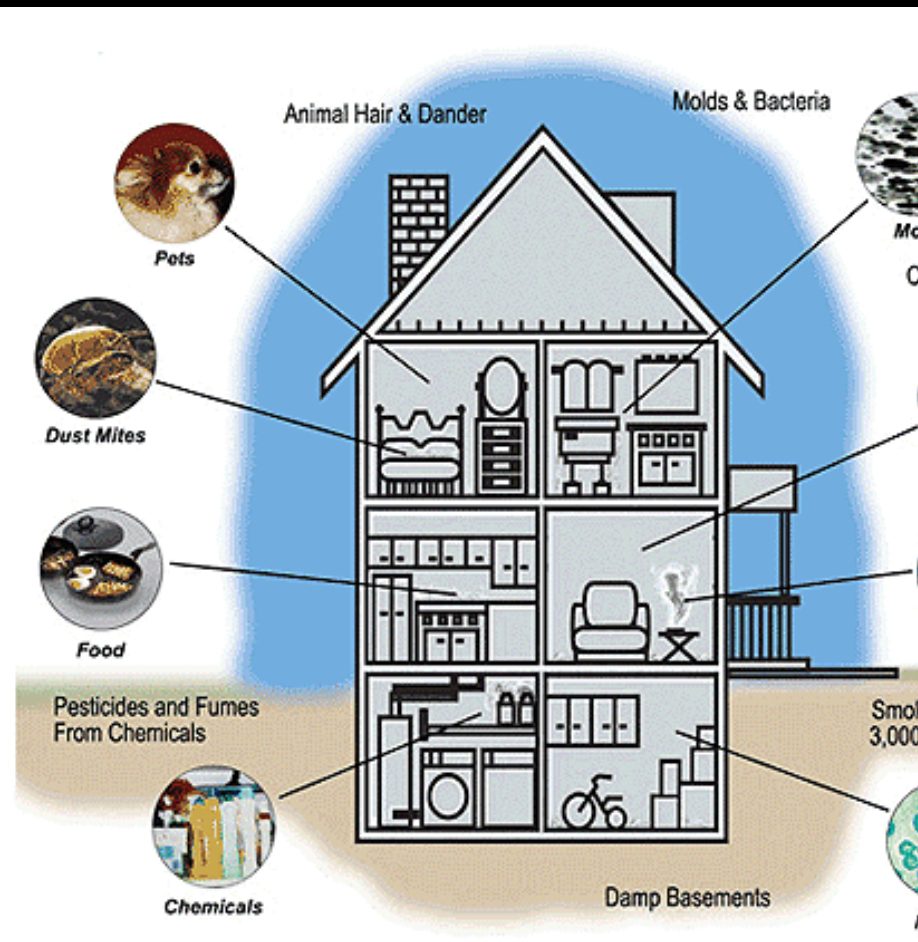
One of the strongest data trends is that most remediation projects begin with hidden mold, not visible surface growth. In Oakland Park homes, mold is frequently discovered behind walls, under cabinets, or inside HVAC systems—areas that aren’t routinely inspected.
Data from inspections shows common hidden growth locations include:
- Bathroom and kitchen wall cavities
- Under sinks with slow leaks
- Near HVAC air handlers and drain pans
- Behind baseboards after minor water damage
By the time mold is visible, data indicates it has usually been growing for months.
Moisture data is the most consistent factor linked to remediation. Nearly every remediation case shows evidence of ongoing or past moisture exposure.
Common moisture contributors identified in Oakland Park homes include:
- High indoor humidity
- AC condensation and drainage issues
- Plumbing leaks inside walls
- Roof or window intrusion
Data confirms that mold remediation without moisture correction leads to recurrence.
Another important data insight is how mold spreads when remediation is delayed. Mold releases spores continuously, and HVAC systems circulate those spores throughout the home.
Inspection data often shows:
- Multiple rooms affected
- Mold growth far from the original source
- Contaminated ductwork
What could have been localized remediation becomes a larger project when action is postponed.
Data also highlights why surface cleaning delays proper remediation. Homeowners often clean visible mold repeatedly, which temporarily improves appearance but allows hidden growth to continue.
Inspection records show that homes relying on repeated cleaning:
- Experience recurring mold
- Delay professional evaluation
- Require larger remediation later
Cleaning masks the problem instead of resolving it.
Containment data is another critical insight. Remediation projects that lack proper containment show higher levels of cross-contamination.
Professional remediation uses:
- Sealed work areas
- Negative air pressure
- HEPA filtration
Data shows these controls significantly reduce spore spread and secondary contamination.
Material-specific data also guides remediation decisions. Porous materials absorb moisture and support mold growth internally.
Data shows that materials most often requiring removal include:
- Drywall
- Insulation
- Carpet padding
- Pressboard
Non-porous materials, when properly cleaned and dried, are often salvageable.
HVAC-related data further explains remediation outcomes. When HVAC moisture issues aren’t addressed, remediation success rates drop significantly.
Inspections frequently identify:
- Mold near evaporator coils
- Moisture in insulated ducts
- Poor airflow contributing to condensation
Correcting HVAC moisture improves long-term remediation results.
Another data-driven insight is cost escalation. Homes that delay remediation typically experience:
- Larger affected areas
- Longer project timelines
- Higher labor and material costs
Early remediation consistently costs less and causes less disruption.
Data does not support fear-based claims that every mold situation is severe. Most remediation projects are controlled and predictable when addressed early and correctly.
A data-based approach focuses on:
- Moisture identification
- Targeted material removal
- Controlled containment
- Verification of dry conditions
This reduces recurrence and unnecessary work.
Professional remediation decisions are guided by data, not assumptions. Moisture readings, inspection findings, and environmental conditions determine scope—not visible staining alone.
This ensures remediation is appropriate, effective, and efficient.
Homes in face ongoing humidity challenges that make mold remediation a data-driven necessity when mold is present.
