
What We See Inside Homes: Mold Removal Insights for Homes in
Mold removal is often assumed to be a simple cleaning task, but what we actually see inside homes across Broward County tells a different story. In real inspections, mold removal is rarely about what’s visible on the surface. It’s about identifying where mold is growing, why it’s there, and how to remove it without spreading it further.
Broward County’s humidity, frequent rain, and near-constant air-conditioning use create conditions where mold grows quietly in hidden spaces. By the time homeowners notice a problem, mold has often spread beyond the original area. Understanding what professionals consistently see inside homes helps explain why proper mold removal matters.
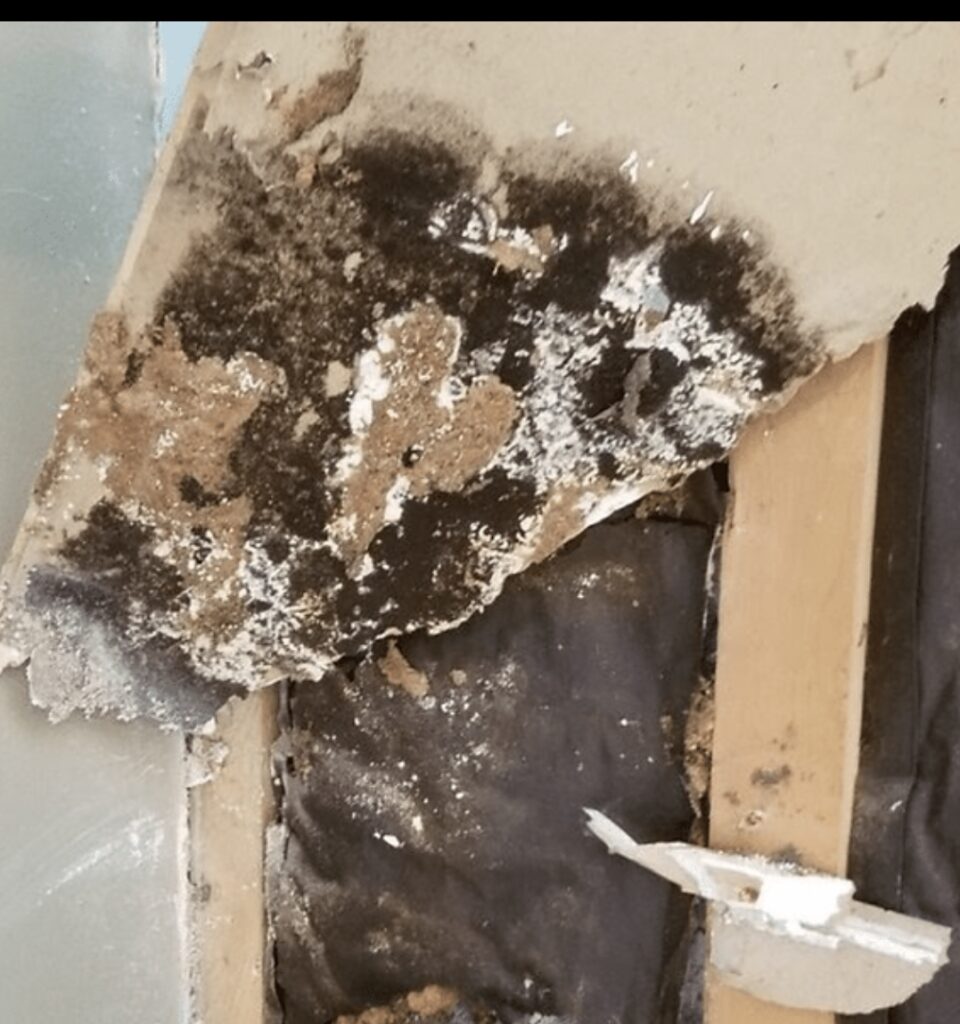
One of the most common findings is that mold growth is rarely isolated. What appears to be a small spot on a wall often connects to larger hidden areas of contamination.
During inspections, mold is frequently found:
- Behind drywall near bathrooms and kitchens
- Under sinks with slow or intermittent leaks
- Inside wall cavities along plumbing lines
- Around HVAC air handlers and drain pans
Removing only the visible portion leaves the underlying problem untouched.
Another key insight is how easily mold spreads when removal is done incorrectly. Scraping or spraying mold without containment releases spores into the air. These spores settle in other areas of the home, creating new growth sites.
This is why inspections after DIY removal attempts often reveal:
- Mold appearing in new rooms
- Growth returning faster than before
- Contamination inside HVAC systems
Proper removal focuses on controlling spread, not just removing material.
Containment is one of the most important steps in mold removal. Professional removal projects isolate affected areas so spores don’t migrate through the home.
What we consistently see during effective mold removal includes:
- Sealed plastic barriers
- Controlled airflow and negative pressure
- HEPA air filtration during removal
These steps protect both occupants and unaffected parts of the home.
Material type plays a major role in mold removal decisions. Porous materials absorb moisture and allow mold to grow deep inside them.
In Broward County homes, materials that often require removal include:
- Drywall
- Insulation
- Carpet padding
- Pressboard cabinetry
Non-porous materials can often be cleaned successfully if moisture is fully controlled.
Moisture control is always part of mold removal. Removing mold without correcting moisture almost guarantees recurrence. Inspections consistently trace mold back to unresolved moisture problems.
Common moisture sources include:
- High indoor humidity
- AC condensation and drain line issues
- Plumbing leaks
- Roof or window intrusion
Without addressing these issues, removal efforts don’t last.
HVAC systems frequently complicate mold removal. Mold near air handlers or ductwork can reintroduce spores into the home even after affected areas are removed.
This is why inspections often include:
- Evaluating HVAC components
- Inspecting ductwork
- Identifying condensation and airflow issues
Removing mold from living spaces while ignoring HVAC contamination often leads to repeat problems.
Another insight from real homes is that mold removal isn’t always extensive when addressed early. Many homeowners assume removal means major demolition, but inspections show that early detection limits how much material needs to be removed.
Homes that act early typically experience:
- Smaller removal areas
- Less disruption
- Lower overall cost
Waiting allows mold to spread deeper into the structure.
Improper removal often leads to repeated cycles of cleaning and regrowth. Each cycle allows mold to spread further and increases the scope of work needed later.
Inspection data shows that repeated DIY attempts:
- Delay proper removal
- Increase contamination
- Raise long-term costs
Correct removal stops the cycle.
After mold is removed, proper drying and verification are essential. Affected areas must be dried thoroughly so conditions no longer support mold growth.
Homes that skip verification often experience mold returning in the same areas.
Professional mold removal focuses on restoring normal indoor conditions—not just removing stains. When done correctly, it improves air quality, protects building materials, and prevents ongoing problems.
Homes throughout face constant moisture challenges that make proper mold removal essential when mold is present.
