
Why Mold Grows in Florida Homes – What Most People Get Wrong for Homes in
Mold growth is one of the most common issues homeowners face in South Florida, yet it’s also one of the most misunderstood. Many people believe mold only grows in dirty homes, after floods, or when there’s obvious water damage. What real inspections consistently show is that most mold growth in Florida homes happens quietly, under normal living conditions, and often in homes that look clean and well maintained.
South Florida’s climate creates an environment where mold doesn’t need dramatic events to grow. Warm temperatures, constant humidity, and year-round air conditioning provide everything mold needs. Understanding what people get wrong about mold growth helps homeowners focus on real causes instead of common myths.
One of the biggest misconceptions is that mold needs visible water to grow. In reality, humidity alone is often enough. When indoor humidity stays elevated, moisture settles into porous materials like drywall, wood, and insulation.
Inspections across South Florida homes frequently link mold growth to:
- High indoor humidity
- Homes kept closed most of the year
- Limited fresh air exchange
- Constant AC operation without adequate moisture removal
No leaks are required for mold to start growing.
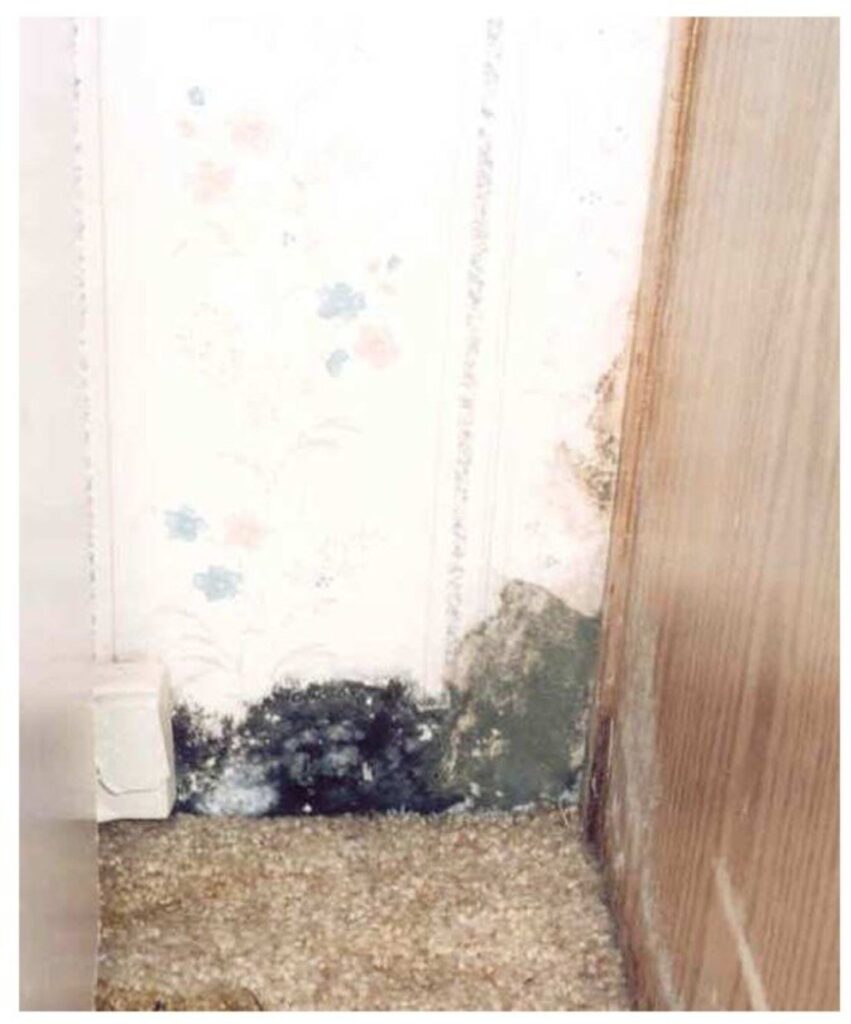
Another common mistake is assuming mold only grows where it’s visible. Mold thrives in dark, undisturbed spaces with limited airflow.
During inspections, mold is most often found:
- Behind bathroom and kitchen walls
- Under sinks with slow leaks
- Inside HVAC air handlers and ductwork
- In closets, attics, and wall cavities
By the time mold becomes visible, it has usually been growing for a long time.
Many homeowners believe newer homes don’t get mold. Real inspections show the opposite can be true. Newer homes are often tightly sealed for energy efficiency, which limits natural airflow and traps moisture inside.
This creates conditions where:
- Humidity builds up
- Moisture evaporates slowly
- Mold grows despite clean conditions
Mold growth has nothing to do with how old a home is.
Another misconception is that regular cleaning prevents mold. While cleanliness matters for many things, mold feeds on moisture and organic materials, not dirt. Drywall paper, wood framing, dust, and insulation all provide food sources.
This explains why inspections frequently uncover mold in:
- Spotless homes
- Recently renovated spaces
- Homes with regular cleaning routines
Cleaning does not remove moisture.
HVAC systems are also misunderstood. Many homeowners assume air conditioning automatically controls humidity. In reality, AC systems often cool air without removing enough moisture—especially if they are oversized or short-cycle.
Inspections commonly reveal:
- Condensation buildup inside air handlers
- Mold near evaporator coils and drain pans
- Moisture trapped in ductwork
Without proper moisture control, HVAC systems can actually contribute to mold growth.
Another thing people get wrong is assuming mold appears quickly. Mold growth is usually gradual. Homeowners often notice subtle changes long before visible mold appears.
Early signs include:
- Musty odors that come and go
- Air that feels damp or heavy
- Condensation on vents or windows
- Mold that keeps returning after cleaning
These signs are often dismissed until mold becomes more established.
DIY cleaning is another major misunderstanding. Surface cleaning removes visible mold but does not address hidden growth or moisture conditions.
Inspections often reveal mold behind:
- Fresh paint
- Recently cleaned walls
- New cabinets installed over damp areas
Without addressing moisture, mold simply returns.
A key lesson from inspections is that time matters. The longer moisture remains present, the more mold spreads into surrounding materials.
Homes that address moisture early:
- Limit mold growth
- Reduce remediation needs
- Protect indoor air quality
Homes that wait allow mold to become a recurring issue.
Real inspections do not support fear-based assumptions that mold is always extreme or dangerous. Most mold problems in South Florida homes are manageable when addressed early and correctly.
A practical approach focuses on:
- Identifying moisture sources
- Managing indoor humidity
- Inspecting hidden areas
- Taking targeted action
This prevents mold without panic.
Professional inspections focus on understanding why mold is growing, not just where it’s visible. Moisture detection, HVAC evaluation, and environmental assessment provide homeowners with clear answers.
This replaces myths with facts.
Homes throughout face constant environmental conditions that make mold growth common—but preventable when homeowners understand the real causes.
