
What Most People Get Wrong: Mold Inspection Insights for Homes in Fort Lauderdale
Mold inspections get misunderstood more than almost any other home service. In Fort Lauderdale, we walk into homes every week where homeowners think they already know the answer—only to discover the real issue sits somewhere completely unexpected. Most mistakes don’t come from negligence. They come from common assumptions that simply don’t hold up in real homes.
This article breaks down what most people get wrong about mold inspections in Fort Lauderdale homes, using real inspection insights instead of fear tactics or generic advice. If you’ve ever wondered whether an inspection is “really necessary,” this will clear things up fast.
Why Mold Inspections Get Misunderstood in Fort Lauderdale Homes
Living in Fort Lauderdale means humidity stays high and air conditioning runs almost year-round. Mold concerns feel familiar here, which ironically makes misinformation spread faster.
Most homeowners believe:
- Mold inspections only look for visible mold
- If you can’t see mold, inspection isn’t needed
- Inspections always lead to expensive remediation
Inspections rarely work that way in reality.
Mistake #1: Thinking Mold Inspections Are Just Visual Checks
This is the biggest misconception we see. Homeowners expect inspectors to walk around, point at walls, and say yes or no.
A real mold inspection focuses on conditions, not just appearances.
During inspections, we evaluate:
- Moisture levels inside walls
- Indoor humidity
- HVAC systems and ductwork
- Areas with past or hidden water intrusion
Visible mold often plays a very small role in the final findings.
Mistake #2: Assuming No Visible Mold Means No Problem
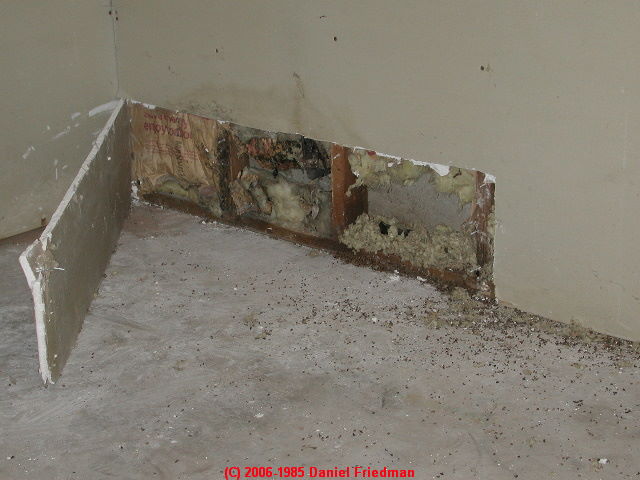
Many Fort Lauderdale homes with serious mold issues look spotless. Mold doesn’t need to grow where you can see it. It prefers dark, undisturbed areas with steady moisture.
We commonly find hidden mold:
- Behind drywall
- Under kitchen and bathroom cabinets
- Inside HVAC air handlers
- Within duct insulation
By the time mold appears on walls, it’s usually not new.
Mistake #3: Believing Odors Must Be Strong to Matter
Homeowners often dismiss mild or intermittent odors. If the smell isn’t overpowering, it gets ignored.
In reality, many mold-related odors:
- Come and go
- Appear when the AC runs
- Change with humidity levels
A faint musty smell usually means mold growth exists but hasn’t reached a visible stage yet.
Mistake #4: Thinking HVAC Systems Aren’t Part of Mold Inspections
This one causes a lot of confusion. Homeowners focus on rooms and surfaces, while HVAC systems quietly get overlooked.
Inspection data regularly reveals:
- Mold on evaporator coils
- Damp insulation inside air handlers
- Contaminated drain pans
- Spores exiting supply vents
When HVAC systems stay contaminated, mold exposure becomes a whole-home issue, not a room-specific one.
Mistake #5: Expecting Mold Inspections to Automatically Include Testing
Not every inspection requires mold testing, and a good inspector won’t push it unnecessarily. Testing is a tool, not a default step.
Testing becomes useful when:
- Mold likely exists but stays hidden
- Health symptoms persist without visible mold
- Odors exist with no clear source
- Documentation matters for real estate or insurance
Inspection always comes first. Testing supports it when needed.
Mistake #6: Confusing Mold Inspection With Mold Removal
A lot of homeowners expect inspectors to remove mold during the visit. That’s not how the process works.
Here’s the correct order:
- Mold inspection identifies conditions and sources
- Mold testing confirms scope when necessary
- Mold removal eliminates contaminated materials
- Mold remediation fixes moisture and airflow issues
Skipping inspection often leads to incomplete removal and repeat problems.
Mistake #7: Assuming Mold Inspections Are Only for Old Homes
Newer Fort Lauderdale homes fail inspections just as often as older ones. Tighter construction, limited ventilation, and constant AC use create new moisture challenges.
Inspection findings in newer homes often include:
- Elevated indoor humidity
- Condensation inside walls
- HVAC moisture issues
- Mold growth without leaks
Age doesn’t protect a home from mold.
Mistake #8: Thinking Cleaning Habits Prevent Mold Issues
Clean homes can still have mold problems. Mold doesn’t care how often you vacuum or wipe surfaces. It cares about moisture.
We inspect spotless homes with:
- Hidden mold behind walls
- Mold inside HVAC systems
- Elevated humidity throughout
Cleaning helps hygiene. Moisture control stops mold.
Mold Inspection Data vs. Homeowner Assumptions
Inspection results frequently surprise homeowners because assumptions don’t match reality.
We often hear:
- “That’s not where I expected it.”
- “I didn’t even think to check there.”
- “Everything looked fine.”
That disconnect explains why inspections save money when done early.
When Mold Inspections Protect Health
Many inspections begin because of health concerns, not visible mold. Homeowners report symptoms that don’t make sense until inspection results explain them.
Common complaints include:
- Congestion indoors
- Headaches at home
- Fatigue without explanation
- Worsening asthma symptoms
Once exposure sources get identified, symptoms often improve after remediation.
Why Fort Lauderdale Homes Need Proactive Inspections
Homes throughout Broward County face mold pressure, but Fort Lauderdale adds coastal humidity and continuous HVAC operation. Homes rarely dry naturally here.
Inspection trends regularly show:
- Elevated indoor humidity
- HVAC systems that never fully dry
- Hidden moisture inside walls
- Condensation-driven mold growth
Waiting for visible mold almost always increases remediation scope.
What a Mold Inspection Does Not Do
To clear things up, inspections don’t:
- Automatically require remediation
- Assume worst-case scenarios
- Focus only on visible mold
- Push unnecessary testing
Their job is clarity, not pressure.
How Often Homes Should Be Inspected
In humid climates, inspections make sense even without obvious problems.
We recommend mold inspections:
- Annually
- After water damage
- When musty odors appear
- Before buying or selling a home
Early inspections keep problems manageable.
Preventing Mold After an Inspection
An inspection doesn’t just identify problems. It helps prevent future ones.
Common prevention recommendations include:
- Managing indoor humidity
- Maintaining HVAC systems
- Addressing leaks quickly
- Improving ventilation
Small adjustments often prevent major remediation later.
Real Inspection Insight: The “Everything Looks Fine” Home
One Fort Lauderdale home showed no visible mold and no strong odors. The homeowner only mentioned mild congestion indoors. Inspection revealed elevated humidity, moisture behind a bathroom wall, and mold growth inside the HVAC system.
Early inspection limited remediation. Waiting would have doubled the scope.
Final Thoughts: Mold Inspections Are About Accuracy, Not Fear
Most people get mold inspections wrong because they expect dramatic discoveries or worst-case outcomes. In reality, inspections focus on identifying moisture, confirming conditions, and preventing bigger problems later.
The solution remains consistent: thorough mold inspection, targeted mold testing when needed, proper mold removal, and complete mold remediation. Done in the right order, inspections save money, protect health, and eliminate guesswork.
If something feels off in your Fort Lauderdale home—air quality, odors, or unexplained symptoms—don’t wait for visible mold to confirm it. Mold inspections exist to catch problems early, before they turn into the expensive issues most homeowners wish they’d addressed sooner.
