
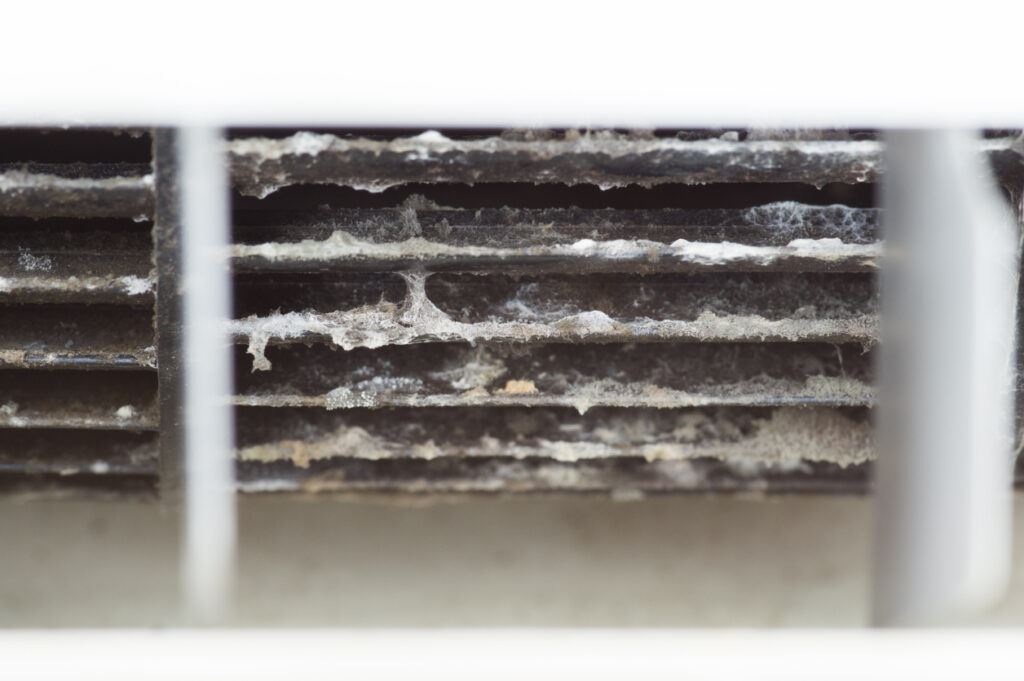
Practical Advice From Experts: HVAC Mold Insights for Homes in Plantation
HVAC mold doesn’t usually kick the door in and announce itself. In Plantation, it shows up quietly—lingering odors, allergy symptoms that never fully calm down, or dust that seems to reappear no matter how often you clean. We inspect plenty of homes where everything looks fine until the HVAC system gets opened. That’s when the real story starts.
This article shares practical HVAC mold insights for homes in Plantation, based on what experienced inspectors actually see inside real systems. No scare tactics, no dramatic claims—just expert advice that helps homeowners understand what’s happening and what actually works.
Why HVAC Mold Is So Common in Plantation Homes
Living in Plantation means heavy air conditioning use almost year-round. HVAC systems run constantly, deal with high humidity, and rarely get long dry cycles. That combination creates ideal conditions for mold when moisture doesn’t drain or dry properly.
From real inspections, HVAC mold usually develops due to:
- Persistent condensation inside the system
- Clogged or slow drain lines
- Damp internal insulation
- Short cycling that limits dehumidification
Ever notice how mold problems feel spread out instead of isolated? HVAC airflow explains that almost every time.
What Most Homeowners Get Wrong About HVAC Mold
One of the biggest misunderstandings involves where mold starts. Homeowners often blame vents because that’s where they see discoloration. In reality, vents usually show symptoms, not the source.
Mold most often starts in:
- Evaporator coils
- Drain pans and drain lines
- Internal fiberglass insulation
- Air handler cabinets
By the time mold shows at vents, it already established itself deeper inside the system.
Condensation: The Mold Trigger Experts See Most
Condensation causes more HVAC mold than leaks ever do. Warm, humid air enters the system, meets cold components, and moisture forms immediately. That moisture often sticks around longer than homeowners realize.
During inspections, we regularly find:
- Coils that stay wet between cycles
- Standing water in drain pans
- Damp insulation liners
- Moisture buildup inside blower compartments
Condensation doesn’t look dramatic, but it feeds mold consistently.
How HVAC Systems Spread Mold Through the Home
Once mold grows inside HVAC components, spread becomes automatic. Every time the system runs, spores move through ductwork and into living spaces.
Inspection patterns consistently show:
- Mold appearing in multiple rooms
- Odors that move with airflow
- Symptoms worsening when the AC runs
- Mold returning after surface cleaning
That “traveling musty smell” almost always points back to HVAC involvement.
Mold Inspection: Where Experts Focus First
A proper mold inspection doesn’t stop at visible mold. HVAC systems demand close attention because they often act as the distribution hub.
During HVAC-focused inspections, we check:
- Air handlers and internal components
- Supply and return ductwork
- Drain pans and drain lines
- Moisture levels around the system
Visible mold often represents only a fraction of the real problem.
When Mold Testing Makes Sense
Not every situation requires mold testing, and experienced professionals won’t push it unnecessarily. Testing becomes valuable when mold likely exists but remains hidden or when symptoms don’t line up with visible findings.
Testing helps when:
- Odors persist without visible mold
- Symptoms worsen when AC runs
- Mold keeps returning after cleaning
- Documentation matters for real estate or insurance
Testing adds clarity, not pressure.
Mold Removal Inside HVAC Systems: What Actually Works
Mold removal inside HVAC systems requires more than changing filters or wiping vents. Real-world results show partial cleaning almost always leads to recurrence.
Effective HVAC mold removal includes:
- Containment to prevent spore spread
- HEPA filtration during cleaning
- Cleaning or removing contaminated components
- Sanitizing non-porous surfaces
Leaving contaminated insulation or moisture sources behind almost guarantees regrowth.
Mold Remediation: The Step That Prevents Repeat Issues
This step determines whether mold stays gone. Mold remediation focuses on correcting the conditions that allowed mold to grow.
Successful remediation addresses:
- Condensation control
- Drain line performance
- Balanced airflow
- Indoor humidity reduction
Removing mold without fixing moisture leads to repeat contamination. Inspections confirm that pattern consistently.
Why DIY HVAC Mold Fixes Usually Fail
Homeowners often try sprays, filters, or vent cleaning first. That instinct makes sense. Unfortunately, inspection results don’t support those methods as long-term solutions.
DIY approaches fail because:
- Internal growth stays untouched
- Moisture sources remain active
- Insulation stays damp
- Spores redistribute during cleaning
We frequently remediate larger areas after DIY attempts than before.
HVAC Mold and Indoor Air Quality
HVAC-related mold directly impacts indoor air quality. Homes with contaminated systems consistently show higher airborne spore levels.
Homeowners commonly report:
- Congestion indoors
- Headaches at home
- Fatigue without explanation
- Persistent musty odors
Air quality improves noticeably once HVAC mold gets addressed properly.
Why Plantation Homes Face Higher HVAC Mold Risk
Homes throughout Broward County face mold pressure, but Plantation adds older construction, aging duct insulation, and constant AC operation. Systems rarely dry completely here.
Inspection trends regularly show:
- Elevated indoor humidity
- Older HVAC components
- Limited ventilation
- Drainage inefficiencies
These factors increase long-term HVAC mold risk.
How Often HVAC Systems Should Be Inspected
Inspection timing matters in high-humidity climates. Early detection significantly limits remediation scope and cost.
Experts recommend HVAC mold inspections:
- Annually
- After water leaks
- When musty odors appear
- Before buying or selling a home
Waiting for visible mold almost always increases cleanup costs.
Preventing HVAC Mold Long-Term
Prevention focuses on moisture control and system performance. Small adjustments make a major difference over time.
Effective prevention includes:
- Routine HVAC maintenance
- Keeping drain lines clear
- Managing indoor humidity
- Ensuring proper airflow
Prevention consistently costs less than remediation.
Practical Expert Insight: What Actually Solves HVAC Mold
Across Plantation inspections, one lesson stays consistent. Mold doesn’t spread because homeowners ignore problems. It spreads because HVAC systems quietly circulate spores while moisture stays active.
Homeowners clean surfaces. HVAC systems redistribute contamination. Addressing the system breaks that cycle completely.
Final Thoughts: HVAC Mold Requires System-Level Thinking
HVAC mold doesn’t respond to surface-level fixes. Real inspections show that moisture, airflow, and time work together inside systems to spread mold throughout homes.
The solution stays consistent: thorough mold inspection, targeted mold testing when needed, precise mold removal, and complete mold remediation. When HVAC systems get addressed properly, mold loses its biggest advantage.
If your Plantation home has recurring odors, allergy symptoms, or mold that seems to move from room to room, trust what experienced inspectors see every day. HVAC systems usually hold the answer, and addressing them early protects air quality, comfort, and long-term home value.
