
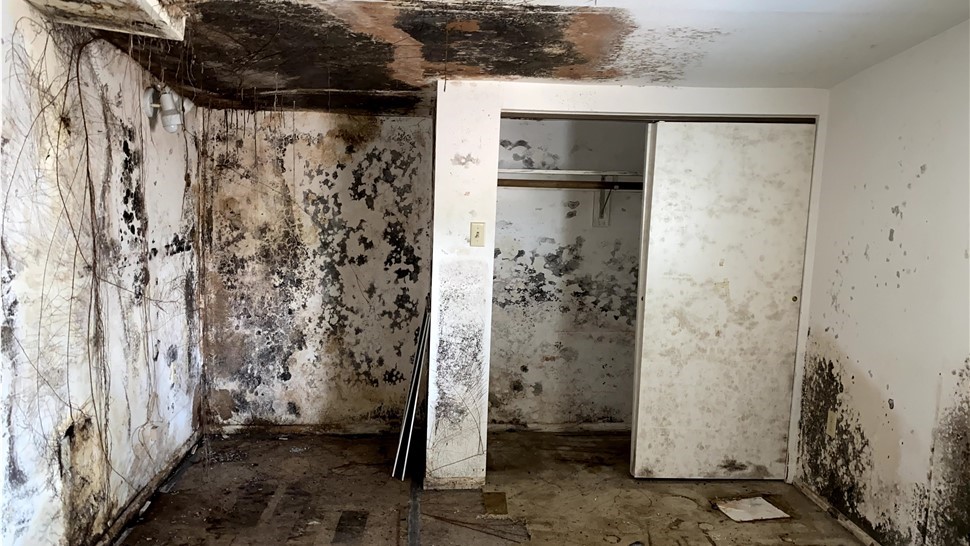
Mold and Allergies: What Homeowners Should Know – What We See Inside Homes for Homes in Oakland Park
Allergies don’t always start outdoors. In Oakland Park, we inspect a lot of homes where homeowners swear pollen is the problem—until we step inside and start checking what’s actually in the air. The reality? Many allergy symptoms come from mold hiding inside the home, quietly circulating through HVAC systems and damp materials while everything looks perfectly normal on the surface.
This article breaks down what we actually see inside Oakland Park homes when it comes to mold and allergies. No fear tactics. No exaggerated health claims. Just real patterns from real inspections that help homeowners understand what’s really going on.
Why Mold and Allergies Get Mixed Up in Oakland Park Homes
Living in Oakland Park means humidity stays high and air conditioning runs most of the year. That combination makes it hard to tell where allergy symptoms actually come from.
Most homeowners assume:
- Allergies always come from outside
- Mold only matters if it’s visible
- Air filters solve indoor air issues
Inspections consistently show those assumptions don’t hold up indoors.
What Mold Allergies Actually Feel Like Indoors
Mold-related allergy symptoms rarely feel dramatic at first. They tend to blend into everyday discomfort and get written off as normal.
We commonly hear homeowners describe:
- Congestion that only happens at home
- Sneezing or itchy eyes indoors
- Headaches that fade when leaving
- Fatigue without a clear reason
When symptoms improve outside the house, indoor air quality deserves a closer look.
Hidden Mold: What We Find Most Often
Visible mold usually gets cleaned quickly. Hidden mold sticks around and causes the longest exposure. In Oakland Park homes, hidden growth shows up far more often than obvious patches.
During inspections, we frequently find hidden mold:
- Behind bathroom and kitchen walls
- Under sinks and cabinets
- Inside HVAC air handlers
- Within duct insulation
Even small hidden growth can release enough spores to trigger ongoing allergy symptoms.
HVAC Systems Turn Mold Into an Allergy Problem
HVAC systems don’t create mold, but they distribute it extremely well. Once mold grows inside an air handler or ductwork, spores circulate every time the system runs.
Inspection findings often include:
- Mold on evaporator coils
- Damp internal insulation
- Contaminated drain pans
- Elevated spores near supply vents
That constant circulation turns localized mold into a whole-home allergy trigger.
Why Allergy Symptoms Feel Inconsistent
One reason homeowners struggle to connect allergies to mold involves how symptoms come and go. Mold exposure isn’t steady—it changes with conditions.
We see symptoms fluctuate because:
- HVAC cycles change airflow
- Humidity spikes increase mold activity
- Some rooms receive more airflow
- Mold releases spores intermittently
That inconsistency keeps people guessing instead of investigating.
Mold vs. Seasonal Allergies: What We Notice During Inspections
Seasonal allergies follow patterns. Mold-related allergies usually don’t.
Signs mold plays a role include:
- Symptoms year-round
- Symptoms worse indoors
- Relief during travel or time away
- Musty or stale indoor air
These patterns often line up with inspection findings.
Why Cleaning Doesn’t Fix Mold-Related Allergies
Many homeowners clean more when allergies flare up. Unfortunately, cleaning surfaces doesn’t address airborne spores or hidden growth.
Cleaning falls short because:
- Mold hides inside walls and systems
- HVAC systems keep circulating spores
- Moisture conditions stay unchanged
- Air quality remains affected
We inspect spotless homes with serious mold-related air quality issues regularly.
Mold Inspection: How We Connect Allergies to the Home
A proper mold inspection focuses on conditions that support mold growth, not just visible spots. Inspections often explain allergy symptoms that never made sense before.
During inspections, we evaluate:
- Indoor humidity levels
- Moisture inside walls
- HVAC systems and ductwork
- Areas with past water intrusion
Once moisture and hidden growth get identified, symptoms suddenly have an explanation.
When Mold Testing Helps Allergy Questions
Not every home needs mold testing, but testing becomes useful when symptoms persist without visible mold. Air samples often reveal elevated spore levels even in clean-looking homes.
Testing helps when:
- Symptoms worsen indoors
- Odors exist without visible mold
- Mold keeps returning
- Documentation matters for medical or real estate needs
Testing adds clarity, not panic.
Mold Removal and Allergy Relief: What We Actually See
Mold removal reduces exposure by eliminating contaminated materials. Many homeowners notice improvement after proper removal.
Effective removal includes:
- Containment to prevent spore spread
- HEPA filtration
- Removal of affected materials
- Detailed cleaning of impacted areas
Surface cleaning alone rarely improves allergy symptoms long-term.
Mold Remediation: Preventing Allergy Symptoms From Returning
This step determines whether relief lasts. Mold remediation corrects the moisture and airflow issues that allowed mold to grow in the first place.
Remediation typically focuses on:
- Fixing moisture sources
- Improving HVAC performance
- Reducing indoor humidity
- Verifying dry conditions
Without remediation, allergy symptoms often return.
Why DIY Mold Cleaning Can Make Allergies Worse
DIY cleaning often releases spores into the air without controlling spread. We regularly hear homeowners say symptoms worsened after scrubbing mold.
DIY efforts fail because:
- Spores become airborne
- Hidden mold stays active
- Moisture problems remain
- HVAC systems redistribute particles
Containment matters more than elbow grease.
Health Patterns We See After Remediation
After proper remediation, many homeowners report noticeable changes.
Common feedback includes:
- Easier breathing indoors
- Fewer headaches
- Better sleep quality
- Reduced congestion
Improvements often happen gradually as indoor air stabilizes.
Why Oakland Park Homes Face Higher Mold-Allergy Risk
Homes throughout Broward County face mold pressure, but Oakland Park adds older construction, aging HVAC systems, and limited ventilation.
Inspection trends often show:
- Elevated indoor humidity
- HVAC systems that rarely fully dry
- Hidden plumbing leaks
- Moisture trapped in walls
These conditions support long-term mold exposure if left unchecked.
Children, Seniors, and Mold Sensitivity
Some household members react more strongly to mold exposure. Children, seniors, and people with asthma often show symptoms sooner.
In sensitive individuals, mold exposure may contribute to:
- Frequent respiratory infections
- Sleep disturbances
- Increased allergy severity
- Slower recovery from illness
Early detection protects those most affected.
How Often Homes Should Be Evaluated
Mold-related allergy issues develop slowly, which makes regular evaluation important.
We recommend mold and moisture assessments:
- Annually
- After water leaks
- When musty odors appear
- When allergy symptoms persist indoors
Early insight prevents long-term exposure.
Preventing Mold-Related Allergies Long-Term
Prevention focuses on moisture control, not constant cleaning.
Effective prevention includes:
- Managing indoor humidity
- Maintaining HVAC systems
- Addressing leaks immediately
- Using ventilation consistently
Consistency beats perfection every time.
Final Thoughts: Mold and Allergies Start Inside the Home
Many allergy problems in Oakland Park homes don’t come from outdoors. They come from mold hiding in walls, HVAC systems, and damp materials while symptoms quietly build. The risk isn’t dramatic, but it’s real—and it shows up clearly during inspections.
The solution stays consistent: thorough mold inspection, targeted mold testing when needed, proper mold removal, and complete mold remediation. Address the source, and allergy symptoms often follow the fix.
If allergy symptoms feel worse at home, improve when you leave, or never quite go away, don’t dismiss that pattern. What we see inside Oakland Park homes proves one thing again and again—mold doesn’t need to be visible to affect how you feel every single day.
