
The Science Explained Simply: Mold Testing Insights for Homes in North Lauderdale
Mold testing sounds complicated until you actually understand what it’s trying to answer. In North Lauderdale, homeowners ask us the same questions over and over: Do I really need mold testing? What does it tell me? Is it just a scare tactic? The truth is, the science behind mold testing stays pretty straightforward when it’s explained the right way.
This article breaks down mold testing for homes in North Lauderdale, explaining the science simply and realistically. No fear tactics. No lab jargon overload. Just clear insight into what mold testing does, what it doesn’t do, and when it actually helps homeowners make better decisions.
Why Mold Testing Gets So Confusing in North Lauderdale Homes
Living in North Lauderdale means humidity, sealed homes, and AC systems running most of the year. Mold concerns feel common here, but mold testing still gets misunderstood.
Most homeowners believe:
- Mold testing looks for visible mold
- Testing tells you exactly where mold is growing
- Any mold found automatically means danger
Those assumptions create unnecessary stress. Mold testing doesn’t work like that.
The One Question Mold Testing Actually Answers
Before getting technical, mold testing asks one simple question:
Is the indoor environment behaving differently than it should?
Mold spores exist everywhere, indoors and outdoors. Testing doesn’t ask “Is there mold?” It asks “Are indoor mold levels or patterns abnormal compared to outdoor conditions?”
That difference matters more than most people realize.
Air Sampling: The Core of Mold Testing
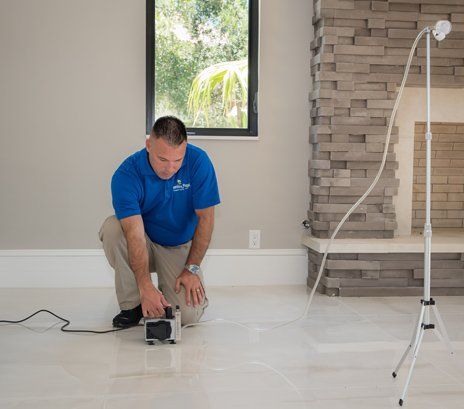
Air sampling forms the backbone of most mold testing. While it sounds technical, the concept stays simple.
Here’s how air sampling works:
- A calibrated device pulls air for a short time
- Airborne particles collect on a sample medium
- A lab identifies and counts spores
- Indoor results get compared to outdoor samples
Outdoor air serves as the baseline. Indoor air should generally be similar or lower. When indoor results spike or differ significantly, testing points toward indoor mold growth.
Why Outdoor Samples Matter So Much
One of the biggest mistakes in mold testing involves skipping outdoor samples. Without them, indoor results lose meaning.
Outdoor samples tell us:
- What mold levels look like naturally that day
- Which mold types dominate the environment
- Whether indoor levels exceed normal conditions
In North Lauderdale, outdoor mold levels change daily with humidity and weather. Testing only makes sense when indoor air gets compared to what’s happening outside.
Surface Samples: What They Actually Tell You
Surface sampling doesn’t measure air quality. It identifies whether a substance on a surface is mold.
Surface samples help when:
- Discoloration appears on walls or ceilings
- Homeowners want confirmation before removal
- Materials look stained but uncertain
- Documentation matters for real estate or disputes
Surface testing answers what it is, not how much is in the air.
What Mold Testing Does Not Do
This part prevents a lot of frustration.
Mold testing does not:
- Locate mold inside walls
- Diagnose health conditions
- Replace a mold inspection
- Automatically require remediation
Testing supports decisions. It doesn’t make them on its own.
Mold Inspection Always Comes First
A proper mold inspection identifies moisture sources, airflow issues, and likely growth areas. Testing only becomes useful when inspection findings suggest uncertainty.
During inspections, we evaluate:
- Moisture inside walls
- Indoor humidity levels
- HVAC systems
- Areas with past water exposure
Testing without inspection often produces confusing numbers with no clear next step.
How HVAC Systems Affect Mold Testing Results
HVAC systems directly influence air sample results. In North Lauderdale homes, systems run frequently and redistribute air constantly.
Inspection data often shows:
- Elevated spore counts near vents
- Mold growth inside air handlers
- Damp insulation inside ductwork
- Spikes when the AC cycles on
Air testing often reflects HVAC involvement even when mold growth exists elsewhere.
Understanding Mold Names Without Panicking
Lab reports list mold types using scientific names. That alone causes anxiety for many homeowners. The reality stays calmer.
Common molds found indoors include:
- Cladosporium
- Aspergillus
- Penicillium
Their presence alone doesn’t mean danger. The quantity and indoor-to-outdoor comparison matter far more than the name itself.
Why Numbers Matter More Than Mold Species
Homeowners often fixate on mold types. Professionals focus on concentration and behavior.
High indoor counts compared to outdoors often indicate:
- Active indoor growth
- HVAC contamination
- Poor air exchange
- Ongoing moisture issues
Similar or lower indoor counts usually indicate normal background conditions.
Mold Testing and Health Questions
Mold testing doesn’t diagnose illness, but it helps support conversations about exposure.
Testing becomes useful when:
- Symptoms worsen indoors
- Odors persist without visible mold
- Mold returns after cleaning
- Medical providers request environmental data
Testing helps connect patterns without jumping to conclusions.
Why Mold Testing Alone Doesn’t Fix Anything
Testing provides information, not solutions. Some homeowners expect testing to “solve” mold by identifying it.
Without addressing moisture:
- Mold continues growing
- Air quality doesn’t improve
- Retesting shows similar results
- Frustration increases
Testing guides action. It doesn’t replace it.
Mold Testing vs. Mold Removal vs. Mold Remediation
These terms get mixed up constantly.
Here’s the simple breakdown:
- Mold testing measures conditions
- Mold removal eliminates contaminated materials
- Mold remediation prevents mold from returning
Testing helps decide if and where action makes sense.
When Mold Testing Saves Money
Used correctly, mold testing often prevents unnecessary demolition or over-remediation.
Testing can:
- Confirm whether mold actually affects air quality
- Limit remediation scope
- Support insurance or real estate needs
- Avoid tearing into unaffected areas
Guessing usually costs more than testing.
Why North Lauderdale Homes Benefit From Smart Testing
Homes throughout Broward County face mold pressure, but North Lauderdale homes often combine aging infrastructure with constant AC use.
Inspection trends frequently show:
- Elevated indoor humidity
- Older HVAC systems
- Hidden plumbing leaks
- Limited ventilation
Testing helps confirm whether those conditions already affect indoor air.
Real Inspection Insight: The “Looks Fine” House
One North Lauderdale home showed no visible mold and no strong odors. The homeowner questioned the need for testing entirely. Air samples revealed elevated indoor spore levels tied to mold inside the HVAC system.
Inspection confirmed growth on the evaporator coil. Without testing, the issue would’ve stayed invisible much longer.
When Mold Testing Is Not Necessary
Responsible professionals don’t test every home.
Testing often isn’t needed when:
- Visible mold clearly requires removal
- Moisture sources are obvious
- Remediation is already necessary
- Inspection answers the main questions
Testing works best when uncertainty exists.
Post-Remediation Testing: Why It Matters
After remediation, testing verifies success. It confirms that air quality improved and contamination got controlled.
Post-remediation testing often includes:
- Indoor air sampling
- Comparison to outdoor levels
- Visual and moisture verification
Verification protects homeowners from repeat problems.
Preventing Mold After Testing
Testing highlights problems. Prevention keeps them from returning.
Effective prevention includes:
- Managing indoor humidity
- Maintaining HVAC systems
- Clearing drain lines
- Addressing leaks immediately
Prevention always costs less than repeat testing.
How Often Mold Testing Makes Sense
Mold testing isn’t routine maintenance. It’s a diagnostic tool.
Testing may make sense:
- When symptoms persist indoors
- After water damage
- When odors appear
- During real estate transactions
Used selectively, testing stays valuable.
Final Thoughts: Mold Testing Is a Tool, Not a Verdict
Mold testing for North Lauderdale homes exists to answer specific questions, not to scare homeowners or force unnecessary work. When the science gets explained simply, testing becomes a helpful tool instead of a stressful mystery.
The process always works best the same way: thorough mold inspection first, targeted mold testing when appropriate, proper mold removal, and complete mold remediation. Each step supports the next.
If your North Lauderdale home has unexplained odors, health symptoms that don’t add up, or moisture issues that feel off, mold testing can bring clarity without drama. When you understand the science, the results stop feeling overwhelming and start becoming useful.
