
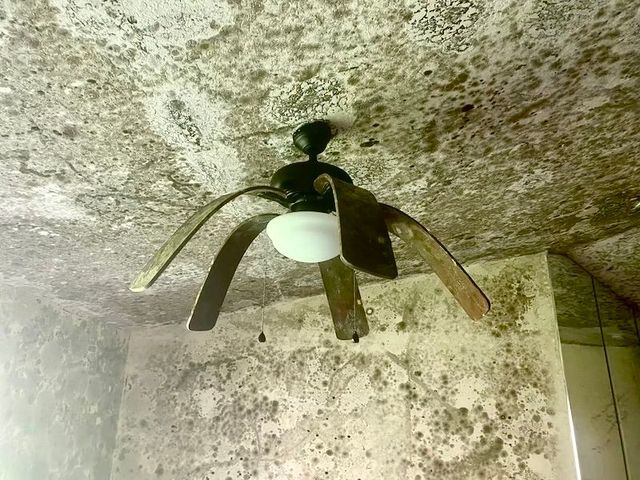
Health Effects of Long-Term Mold Exposure – Facts vs Common Myths for Homes in Davie
Long-term mold exposure doesn’t usually knock on the door with flashing lights. In Davie, it creeps in quietly—congestion that never fully clears, headaches you chalk up to stress, fatigue that feels oddly persistent. We inspect homes every week where people lived with these symptoms for years, never suspecting the house itself played a role. The biggest cost isn’t just remediation. It’s the time lost believing common myths.
This article breaks down the health effects of long-term mold exposure for homes in Davie, separating facts from common myths based on what inspections consistently show. No fear tactics. No exaggeration. Just clarity.
Why Mold Health Myths Stick Around in Davie Homes
Living in Davie means humidity stays high and AC runs most of the year. Because mold feels “normal” in Florida conversations, misinformation spreads easily.
Most homeowners believe:
- Mold would cause immediate, obvious illness
- If symptoms aren’t severe, mold isn’t involved
- Cleaning and air filters handle exposure
Inspections routinely show those beliefs delay real solutions.
Myth #1: Mold Only Causes Problems If You Can See It
Myth: No visible mold means no health risk.
Fact: Hidden mold causes the longest exposure.
During inspections, visible mold often represents a small slice of what’s actually present. Mold prefers dark, undisturbed areas with steady moisture.
We commonly find hidden mold:
- Behind drywall
- Under sinks and cabinets
- Inside HVAC air handlers
- Within duct insulation
Hidden growth releases spores continuously, which drives long-term exposure.
Fact: Long-Term Exposure Builds Gradually
Mold releases spores and microscopic fragments into the air. Breathing them occasionally may not feel dramatic. Breathing them daily adds stress to the body over time.
Common long-term effects include:
- Chronic nasal congestion
- Recurring sinus infections
- Persistent coughing or throat irritation
- Ongoing fatigue
Symptoms build slowly, which makes them easy to normalize.
Myth #2: Mold Exposure Always Causes Severe Symptoms
Myth: Mold exposure would feel intense or dangerous right away.
Fact: Most long-term effects feel mild at first.
Homeowners often say:
- “It feels like allergies that never end.”
- “I feel fine most days.”
- “Doctors can’t pinpoint anything.”
That slow burn keeps people treating symptoms instead of the source.
Respiratory Health: The Most Common Impact
Respiratory complaints top the list when it comes to long-term exposure. Mold particles irritate airways and increase inflammation, especially for people with asthma or allergies.
We frequently hear about:
- Worsening asthma control
- Shortness of breath indoors
- Chest tightness at home
- Increased reliance on inhalers
A key clue appears when symptoms ease outside the house.
Myth #3: Mold Is Just Another Seasonal Allergy
Myth: Mold behaves like pollen and comes and goes with seasons.
Fact: Indoor mold exposure often stays year-round.
Seasonal allergies follow patterns. Mold exposure follows moisture and airflow.
Signs mold plays a role:
- Symptoms persist year-round
- Symptoms worsen indoors
- Relief during travel or time away
- Musty or stale indoor air
These patterns show up repeatedly during inspections.
Chronic Sinus Issues and Mold
Long-term mold exposure keeps the immune system on constant alert. That stress often shows up as sinus problems that never fully resolve.
Common patterns include:
- Sinus infections that keep returning
- Post-nasal drip that never clears
- Pressure headaches at home
- Congestion that resists treatment
Medication alone rarely fixes the issue when exposure continues.
Myth #4: Fatigue and Brain Fog Aren’t Mold-Related
Myth: Mold only affects breathing.
Fact: Many homeowners report cognitive and energy changes.
Long-term exposure often correlates with:
- Persistent fatigue
- Difficulty concentrating
- Brain fog
- Poor sleep quality
People often blame stress or aging while inspections reveal prolonged exposure instead.
Who Faces Higher Health Risk From Mold Exposure
Some people react more strongly to mold exposure than others. Children, seniors, and individuals with asthma or weakened immune systems tend to show symptoms sooner.
In higher-risk groups, exposure may contribute to:
- Frequent respiratory infections
- Sleep disturbances
- Increased allergy severity
- Slower recovery from illness
Early detection protects those most affected.
HVAC Systems Turn Mold Into Daily Exposure
HVAC systems play a huge role in long-term exposure. Once mold grows inside air handlers or ductwork, spores circulate every time the system runs.
Inspection findings often include:
- Mold on evaporator coils
- Damp internal insulation
- Contaminated drain pans
- Spores exiting supply vents
That constant circulation turns occasional exposure into daily exposure.
Mold Inspection: The Turning Point for Health Questions
A proper mold inspection focuses on moisture, airflow, and hidden growth—not just visible spots. Inspections often provide the first real explanation for long-standing health complaints.
During inspections, we assess:
- Moisture inside walls
- Indoor humidity levels
- HVAC components
- Areas with past water intrusion
Once sources get identified, symptoms finally make sense.
When Mold Testing Supports Health Concerns
Not every home needs mold testing, but testing becomes useful when symptoms persist without visible mold. Air samples often reveal elevated spore levels that confirm ongoing exposure.
Testing helps when:
- Symptoms worsen indoors
- Odors exist without visible growth
- Mold returns after cleaning
- Documentation matters for medical or real estate needs
Testing replaces uncertainty with data.
Myth #5: Cleaning More Reduces Health Risk
Myth: Better cleaning solves mold exposure.
Fact: Mold exposure comes from air, not surfaces.
We inspect spotless homes with serious mold-related air quality issues. Cleaning doesn’t address:
- Hidden mold
- HVAC contamination
- Moisture conditions
Airborne exposure continues even in very clean homes.
Mold Removal vs. Mold Remediation and Health
Homeowners often confuse mold removal with mold remediation. That confusion keeps exposure going.
The difference matters:
- Mold removal reduces current exposure
- Mold remediation stops future exposure
Health improvements last only when both happen together.
Why Ignoring Mold Costs More Over Time
Long-term exposure increases both health-related and remediation-related costs. What starts small grows quietly.
Ignoring mold often leads to:
- Worsening symptoms
- Larger contaminated areas
- HVAC involvement
- Higher remediation and repair costs
Early action consistently reduces both health impact and expense.
Why Davie Homes Face Ongoing Exposure Risk
Homes throughout Broward County face mold pressure, but Davie adds larger homes, aging plumbing, and constant AC use.
Inspection trends often show:
- Elevated indoor humidity
- Hidden plumbing leaks
- HVAC systems that rarely fully dry
- Moisture trapped in walls
These conditions support long-term exposure if left unchecked.
Real Inspection Insight: “It’s Probably Just Allergies”
One Davie homeowner blamed year-round congestion on allergies. No visible mold. No strong odors. Inspection revealed mold inside the HVAC system and moisture behind a bathroom wall.
After remediation, symptoms improved gradually. The exposure—not allergies—was the missing piece.
How Professionals Reduce Health Risk
Professional mold remediation focuses on stopping exposure at the source, not masking symptoms.
Effective remediation includes:
- Containment to prevent spread
- HEPA filtration
- Removal of contaminated materials
- Moisture correction and verification
When exposure stops, health often improves over time.
How Often Homes Should Be Evaluated
Long-term exposure develops slowly, which makes regular evaluation important.
We recommend evaluations:
- Annually
- After water damage
- When odors appear
- When health symptoms persist indoors
Early detection limits exposure duration.
Preventing Long-Term Mold Exposure
Prevention doesn’t require perfection. It requires consistency.
Effective prevention includes:
- Managing indoor humidity
- Maintaining HVAC systems
- Addressing leaks immediately
- Using ventilation properly
Small habits reduce long-term risk significantly.
Final Thoughts: Facts Beat Myths Every Time
Long-term mold exposure in Davie homes doesn’t rely on fear to cause problems. It relies on myths, moisture, and time. Believing exposure would feel obvious keeps people waiting while symptoms and costs quietly grow.
The solution stays consistent: thorough mold inspection, targeted mold testing when appropriate, proper mold removal, and complete mold remediation. Address exposure early, and both health and home benefit.
If symptoms feel worse at home, improve when you leave, or never fully resolve, don’t dismiss that pattern. The facts we see inside Davie homes show one thing clearly—mold exposure doesn’t need to be dramatic to matter, and dealing with it sooner always costs less in the end.
