
What the Data Tells Us: Mold Inspection Insights for Homes in Lauderhill
Mold inspections don’t rely on gut feelings or guesswork. In Lauderhill, the data tells a very consistent story—one that surprises homeowners more often than not. Homes that look clean, smell normal, and feel comfortable still show clear signs of mold risk once measurements start. Numbers don’t care how new the house is or how often it gets cleaned.
This article breaks down what the data tells us about mold inspections in Lauderhill homes, based on real inspection findings. No fear tactics. No assumptions. Just the patterns that show up again and again when we look past appearances.
Why Data Matters More Than Appearances in Lauderhill Homes
Living in Lauderhill means humidity stays high and air conditioning runs most of the year. Those conditions make mold risk invisible until it gets measured.
Most homeowners assume:
- Mold inspections focus on visible growth
- If a home smells fine, air quality must be fine
- Mold only shows up after leaks or flooding
Inspection data consistently proves otherwise.
What Mold Inspections Actually Measure
A proper mold inspection doesn’t just look around. It measures conditions that support mold growth, even when no mold is visible.
Inspection data typically includes:
- Indoor humidity levels
- Moisture inside walls and ceilings
- HVAC system conditions
- Evidence of past or active water intrusion
These measurements often reveal problems long before mold becomes obvious.
Indoor Humidity: The Most Consistent Data Point
Humidity readings show up in almost every Lauderhill inspection. High humidity doesn’t guarantee mold, but it dramatically increases risk.
From inspection data, we commonly see:
- Indoor humidity above recommended ranges
- Homes that never fully dry
- Moisture trapped behind walls
- Condensation near HVAC systems
When humidity stays elevated, mold doesn’t need a leak to grow.
Hidden Moisture: What Wall Readings Reveal
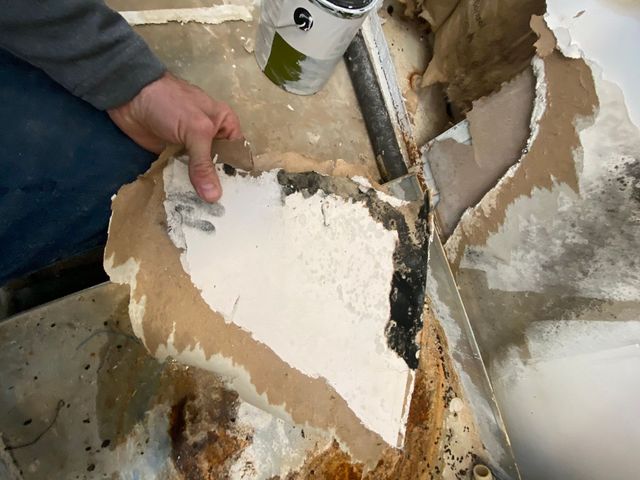
Moisture meters often tell a very different story than what walls look like. Dry paint doesn’t always mean dry drywall.
Inspection data frequently shows:
- Moisture behind bathrooms and kitchens
- Damp drywall with no visible staining
- Elevated readings near plumbing lines
- Moisture near exterior walls
Hidden moisture explains why mold shows up “out of nowhere” later.
HVAC Systems: Where the Data Gets Interesting
HVAC systems play a major role in mold inspection findings. In Lauderhill homes, systems run constantly and rarely get long dry cycles.
Inspection data often reveals:
- Moisture inside air handlers
- Mold on evaporator coils
- Damp internal insulation
- Standing water in drain pans
Even when living spaces test fine, HVAC components often tell a different story.
Airflow Patterns and Mold Distribution
Data doesn’t just show if mold risk exists. It shows how mold would spread if growth begins.
Inspection findings often highlight:
- Uneven airflow between rooms
- High spore potential near supply vents
- Pressure differences that move air through walls
- Areas where moisture and airflow overlap
These patterns explain why mold rarely stays confined to one spot.
What We Learn From “No Visible Mold” Homes
Some of the most revealing inspections involve homes with no visible mold at all. Data often shows elevated risk even when everything looks normal.
In these homes, inspections frequently uncover:
- Elevated humidity throughout the house
- Moisture behind walls without staining
- HVAC moisture issues
- Early-stage hidden mold growth
Waiting for visible mold usually means missing the early window to act.
Mold Testing Data vs. Inspection Data
People often confuse mold testing with mold inspection. They work best together, but they answer different questions.
Inspection data tells us:
- Why mold could grow
- Where moisture exists
- Which systems contribute to risk
Testing data helps when:
- Mold likely exists but stays hidden
- Air quality concerns persist
- Documentation matters
Data works best when inspection guides testing, not the other way around.
Patterns We See Across Multiple Inspections
Looking at inspections individually helps. Looking at them collectively reveals patterns.
Across Lauderhill homes, data consistently shows:
- HVAC involvement in most mold cases
- Moisture without obvious leaks
- Higher risk in tightly sealed homes
- Mold growth following airflow paths
These patterns explain why mold problems feel widespread rather than isolated.
Why Cleaning Habits Don’t Show Up in the Data
Homeowners often mention how clean their home is during inspections. Data doesn’t reflect cleaning frequency at all.
Inspection measurements show:
- Moisture drives mold, not dust
- HVAC conditions outweigh surface cleanliness
- Hidden areas matter more than visible ones
Clean homes still show high mold risk when moisture stays active.
How Inspection Data Prevents Over-Remediation
One major benefit of data-driven inspections involves avoiding unnecessary work. Guessing often leads to tearing out too much or too little.
Inspection data helps:
- Define affected areas clearly
- Limit demolition scope
- Focus remediation efforts
- Reduce unnecessary costs
Good data keeps projects precise instead of reactive.
Mold Removal vs. Mold Remediation in the Data
Inspection data often explains why mold removal alone fails. Removing visible mold doesn’t change moisture readings.
Data shows:
- Moisture remains after surface cleaning
- HVAC issues persist after removal
- Humidity stays elevated
- Mold returns
Mold remediation works because it addresses what the data identifies as the real problem.
Structural Risk Revealed Through Measurements
As moisture persists, inspection data starts to reflect material impact.
We often see:
- Drywall moisture levels rising over time
- Insulation retaining moisture
- Wood components showing elevated readings
- Increased risk of structural deterioration
Early data catches these issues before repairs become extensive.
Health Complaints That Line Up With Inspection Data
Inspection data often explains long-standing health complaints. Homeowners describe symptoms that never made sense until measurements reveal conditions.
Common overlaps include:
- High humidity and respiratory discomfort
- HVAC mold and allergy symptoms
- Hidden moisture and persistent odors
Data bridges the gap between how a home feels and what’s actually happening.
Why Lauderhill Homes Show Consistent Risk Patterns
Homes throughout Broward County face mold pressure, but Lauderhill adds aging infrastructure and constant AC use.
Inspection data commonly reflects:
- Older plumbing systems
- HVAC units running continuously
- Limited natural ventilation
- Moisture accumulation inside walls
These conditions show up clearly when measured.
Real Inspection Insight: The “Everything Tested Fine” Myth
One Lauderhill homeowner believed testing wasn’t needed because the house looked perfect. Inspection data showed elevated humidity, moisture behind a bedroom wall, and damp HVAC insulation.
Early remediation addressed moisture only. Mold never had a chance to spread. Data prevented a much larger project later.
How Often Data-Based Inspections Should Happen
Data changes over time, especially in humid climates. One inspection doesn’t last forever.
We recommend inspections:
- Annually
- After water leaks
- When odors appear
- Before buying or selling a home
Tracking data over time keeps risks from building quietly.
Using Data to Prevent Mold Long-Term
Inspection data doesn’t just find problems. It guides prevention.
Effective prevention based on data includes:
- Managing indoor humidity
- Improving HVAC drainage
- Correcting airflow imbalances
- Addressing moisture early
When numbers improve, risk drops.
Why Waiting Skews the Data in the Wrong Direction
The longer issues go unaddressed, the worse inspection data becomes. Moisture spreads. HVAC systems distribute spores. Materials absorb water.
Delayed action often means:
- Higher moisture readings
- Larger affected areas
- More invasive remediation
- Higher overall cost
Early data stays manageable. Late data gets expensive.
Final Thoughts: Data Doesn’t Guess
Mold inspection data in Lauderhill homes tells a clear story. Mold problems don’t appear suddenly. They develop slowly, quietly, and measurably. By the time mold becomes visible, the data has been warning homeowners for months.
The smartest approach stays consistent: thorough mold inspection, targeted mold testing when appropriate, precise mold removal, and complete mold remediation. Let data guide decisions instead of assumptions.
If your Lauderhill home feels off—air quality, comfort, or unexplained issues—don’t wait for visible mold to confirm it. The data almost always speaks first.
