
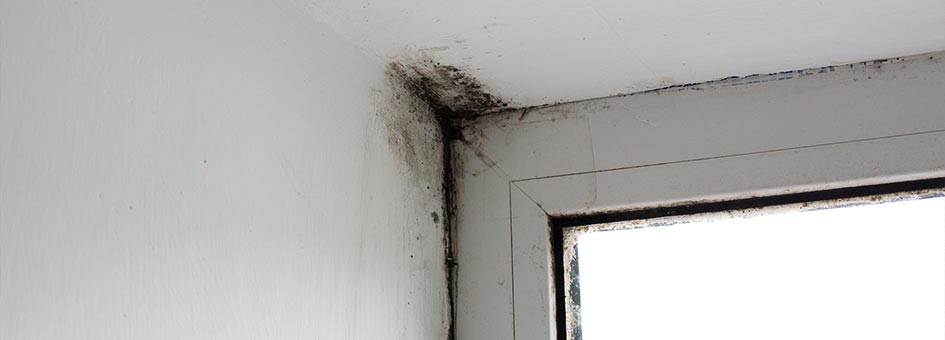
Mold inspections don’t need dramatic warnings to matter. In Deerfield Beach, the real risks show up quietly—humidity that never drops, AC systems that never fully dry, and moisture that hides where nobody looks. We inspect plenty of homes that feel fine until measurements start telling a different story. That’s when homeowners realize the risk wasn’t imaginary. It was just invisible.
This article shares real mold inspection insights for homes in Deerfield Beach, without fear tactics or worst-case hype. Just what inspections actually reveal, why it matters, and how homeowners can act before small issues grow into expensive ones.
Why Mold Risk Feels Easy to Downplay in Deerfield Beach
Living in Deerfield Beach means warm air, coastal humidity, and near-constant air conditioning. Moisture becomes background noise, which makes real problems easier to overlook.
Most homeowners assume:
- Mold would be obvious if it were a problem
- No smell means no issue
- Newer or clean homes stay safe
Inspection data routinely proves those assumptions wrong.
What a Mold Inspection Actually Looks For
A professional mold inspection doesn’t hunt for scary visuals. It looks for conditions that allow mold to exist, even when nothing looks wrong.
During inspections, we focus on:
- Indoor humidity levels
- Moisture inside walls and ceilings
- HVAC system conditions
- Evidence of past or ongoing water intrusion
Visible mold often plays a minor role compared to what instruments reveal.
Humidity: The Quiet Risk Factor
High humidity doesn’t guarantee mold, but it raises the odds dramatically. In Deerfield Beach homes, humidity often stays elevated even when the AC runs nonstop.
Inspection readings frequently show:
- Indoor humidity above recommended ranges
- Homes that never fully dry
- Moisture lingering in closets and wall cavities
- Condensation near vents and air handlers
When humidity stays high, mold doesn’t need leaks to grow.
Hidden Moisture Behind “Dry” Walls
Walls lie. Paint can look perfect while drywall behind it holds moisture long enough for mold to develop.
We often detect:
- Elevated moisture behind bathrooms
- Damp drywall near kitchens
- Moisture near exterior walls
- Past leaks that never fully dried
Hidden moisture explains why mold seems to “appear out of nowhere” later.
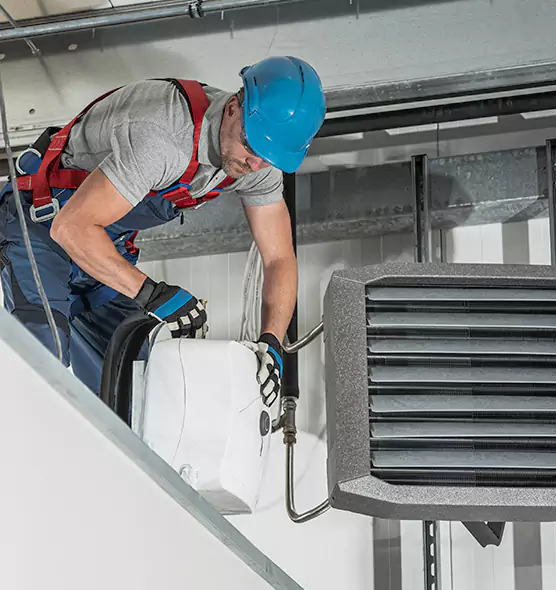
HVAC Systems: Where Inspections Get Eye-Opening
HVAC systems play a huge role in mold risk, especially near the coast. Systems run constantly and rarely get long dry cycles.
Inspection findings commonly include:
- Moisture inside air handlers
- Mold on evaporator coils
- Damp internal insulation
- Standing water in drain pans
Even when rooms test fine, HVAC components often tell a different story.
Why Mold Risk Spreads Instead of Staying Local
Mold doesn’t respect room boundaries once airflow gets involved. HVAC systems move air, pressure, and spores efficiently.
Inspection patterns often show:
- Uneven airflow between rooms
- Pressure differences pulling air through walls
- Mold risk following duct paths
- Odors that move with the AC
This explains why mold problems rarely stay confined to one spot.
“No Visible Mold” Homes Still Show Risk
Some of the most important inspections involve homes with no visible mold at all. That’s where early risk gets caught.
In these homes, inspections frequently reveal:
- Elevated indoor humidity
- Moisture behind walls without stains
- HVAC moisture problems
- Early hidden mold growth
Waiting for visible mold usually means missing the best window to act.
Mold Testing: When Data Helps, Not When It Scares
People often confuse mold testing with mold inspection. Testing isn’t automatic, and it isn’t always needed.
Testing helps when:
- Mold likely exists but stays hidden
- Odors persist without visible growth
- Health symptoms don’t make sense
- Documentation matters for real estate
Inspection should always guide testing, not the other way around.
Why Mold Inspections Save Money
Inspections don’t exist to sell remediation. They exist to prevent unnecessary work and catch problems early.
Good inspection data helps:
- Define affected areas precisely
- Avoid tearing out unaffected materials
- Focus remediation where it matters
- Reduce overall project scope
Guessing almost always costs more than measuring.
Mold Removal vs. Mold Remediation: The Real Risk Difference
Many homeowners think removing visible mold solves the issue. Inspections show why that rarely works.
The distinction matters:
- Mold removal eliminates existing growth
- Mold remediation corrects moisture and airflow conditions
Without remediation, removal becomes temporary every time.
Structural Risk Grows With Time
As moisture persists, inspection readings start reflecting material impact—not just risk.
We commonly see:
- Drywall moisture levels rising over time
- Insulation retaining moisture
- Wood components showing elevated readings
- Increased potential for material deterioration
Early inspection prevents structural repairs later.
Health Complaints That Match Inspection Findings
Inspection data often explains long-standing health complaints homeowners couldn’t connect to the house.
Common overlaps include:
- High humidity and respiratory discomfort
- HVAC mold and allergy symptoms
- Hidden moisture and persistent odors
The house doesn’t need visible mold to affect how people feel.
Why Deerfield Beach Homes Face Consistent Mold Pressure
Homes throughout Broward County face mold risk, but Deerfield Beach adds coastal humidity and salt-air wear on HVAC systems.
Inspection trends often show:
- Elevated indoor humidity
- Aging HVAC components
- Moisture intrusion near exterior walls
- Limited natural ventilation
These factors quietly raise long-term mold risk.
Real Inspection Insight: “Everything Looked Fine”
One Deerfield Beach homeowner requested an inspection before selling. No visible mold. No odors. Measurements showed high humidity, moisture behind a bedroom wall, and damp HVAC insulation.
Early remediation addressed moisture only. Mold never developed, and the sale moved forward cleanly. That’s inspection doing its job.
How Often Homes Should Be Inspected
Mold risk changes over time, especially in humid coastal climates.
We recommend inspections:
- Annually
- After water damage
- When odors appear
- Before buying or selling a home
Regular checks keep risks from building quietly.
Preventing Mold After an Inspection
Inspection results don’t just identify problems. They guide prevention.
Effective prevention includes:
- Managing indoor humidity
- Improving HVAC drainage
- Balancing airflow
- Fixing moisture early
When conditions improve, mold risk drops naturally.
Why Waiting Increases Risk Without Warning Signs
Mold doesn’t announce itself early. Data does. The longer issues go unaddressed, the worse measurements become.
Delays often lead to:
- Higher moisture readings
- Larger affected areas
- HVAC contamination
- More invasive remediation
Early action keeps everything smaller.
Real Risks Beat Fear Every Time
Mold inspections in Deerfield Beach homes don’t need scary language to matter. The real risks show up clearly in humidity readings, moisture measurements, and HVAC conditions—long before mold becomes visible.
The smart approach stays consistent: thorough mold inspection, targeted mold testing when appropriate, precise mold removal, and complete mold remediation when needed. Let data guide decisions, not fear.
If your Deerfield Beach home feels off—air quality, comfort, or unexplained issues—don’t wait for visible mold to confirm it. Real risks don’t shout. They show up quietly, and inspections exist to catch them before they turn into expensive problems.
