
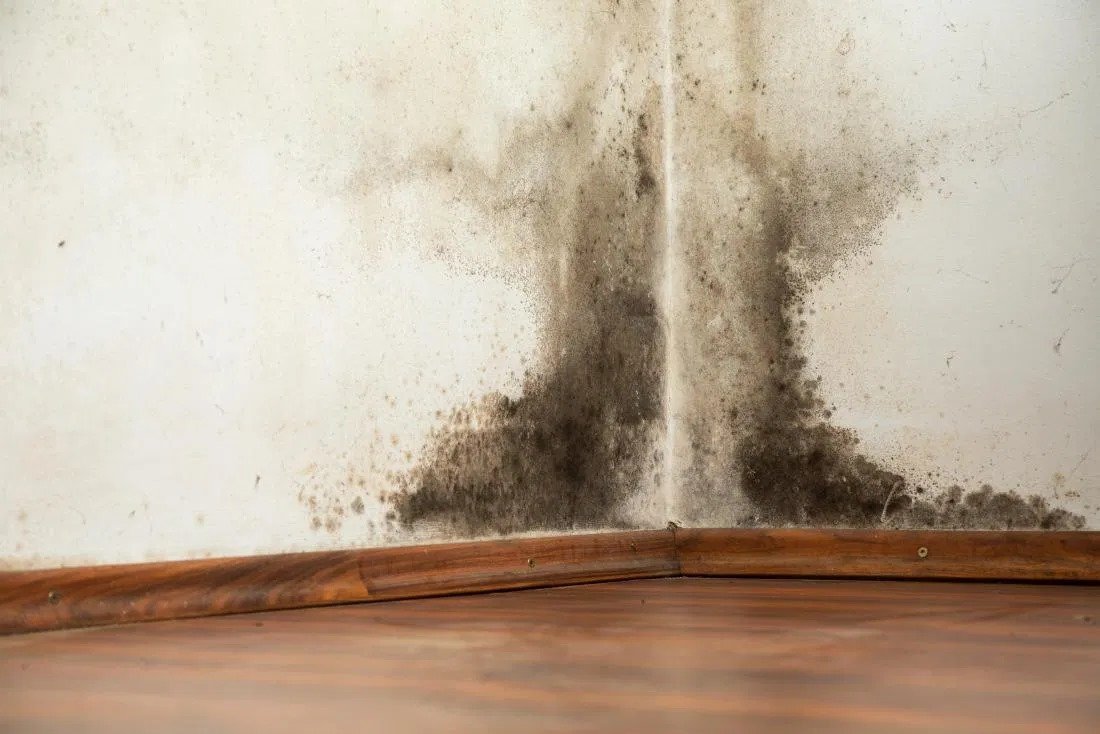
How Water Damage Turns Into Mold Problems – Why Ignoring It Costs More for Homes in South Florida
Water damage never feels like a mold problem at first. In South Florida, it usually feels like a one-time inconvenience—a small leak, a brief overflow, a damp spot that “dried out.” We inspect homes every week where that exact mindset turned minor water damage into a full mold issue months later. The mold didn’t appear suddenly. It followed the water, quietly and predictably.
This article explains how water damage turns into mold problems in South Florida homes and why ignoring it always costs more. No fear tactics. No exaggerated timelines. Just what real inspections show when water gets dismissed too quickly.
Why Water Damage Feels Easy to Ignore in South Florida
Living in South Florida means humidity feels normal. Damp air, afternoon storms, and constant AC use blur the line between “normal moisture” and actual water damage.
Most homeowners assume:
- If it dries, the problem is over
- Small leaks don’t matter
- Mold only grows after flooding
Inspections consistently show that assumption causes the most expensive outcomes.
Water Damage Doesn’t End When Surfaces Look Dry
One of the biggest misunderstandings involves drying. Floors and walls can feel dry while moisture stays trapped underneath.
During inspections, we often find:
- Dry paint with damp drywall behind it
- Baseboards that look fine but trap moisture
- Cabinets that dried on the outside only
- Flooring holding moisture below the surface
Mold doesn’t care how things look. It cares how long moisture stays present.
How Fast Mold Can Start After Water Damage
Mold doesn’t wait months to begin. In warm, humid environments, growth can start quickly when moisture remains undisturbed.
Real-world inspection patterns show:
- Mold growth beginning within days
- Hidden growth developing before odors appear
- Spread occurring before stains show up
Once moisture stays trapped, mold uses that window immediately.
Hidden Moisture Is Where Mold Really Starts
Most water damage never stays visible. Gravity pulls water into wall cavities, under flooring, and into insulation.
Common hidden moisture paths include:
- Behind drywall
- Under cabinets and vanities
- Inside wall insulation
- Beneath flooring
By the time mold becomes visible, it’s usually well-established behind surfaces.
Why South Florida Homes Face Higher Mold Risk After Water Damage
Homes throughout Broward County and surrounding areas deal with water exposure constantly—from storms, plumbing issues, and AC systems. Add high humidity, and drying becomes much harder.
Inspection trends consistently show:
- Slower drying times
- Elevated indoor humidity after leaks
- Moisture lingering in wall cavities
- Mold growth without obvious water events
Water damage here behaves differently than in drier climates.
The Role Humidity Plays After Water Damage
Humidity doesn’t just create mold on its own. It prevents drying after water damage.
We often measure:
- Indoor humidity staying elevated long after leaks
- Damp materials that never fully dry
- Condensation forming on cooled surfaces
When humidity stays high, materials remain in the mold growth zone longer.
How HVAC Systems Turn Water Damage Into a Bigger Problem
HVAC systems don’t cause water damage, but they often help spread mold once it starts. Moisture inside systems creates additional growth sites.
Inspection findings frequently include:
- Mold on evaporator coils
- Damp insulation inside air handlers
- Contaminated drain pans
- Spores circulating through ductwork
Once HVAC systems get involved, mold stops being localized.
Why Ignoring Small Leaks Gets Expensive
Many mold cases start with leaks homeowners knew about but didn’t think were urgent.
We often trace mold problems back to:
- Slow plumbing leaks
- Minor roof intrusion
- AC condensation issues
- Appliance overflows
Small leaks don’t stay small when moisture remains active.
Mold Doesn’t Grow Evenly After Water Damage
One reason homeowners miss mold early involves uneven growth. Mold follows moisture paths, not room layouts.
Inspection patterns show:
- Heavy growth behind one wall
- Minimal growth nearby
- Mold following plumbing lines
- Growth appearing far from the original leak
This uneven spread makes mold harder to predict visually.
Mold Inspection: Catching Problems Before They Explode
A professional mold inspection focuses on moisture first. Finding water damage early limits mold growth before it spreads.
During inspections, we evaluate:
- Moisture inside walls and floors
- Indoor humidity levels
- HVAC system conditions
- Areas with known or suspected water intrusion
Early inspection often prevents full remediation later.
When Mold Testing Helps After Water Damage
Not every water event requires mold testing, but testing becomes valuable when mold likely exists out of sight.
Testing helps when:
- Odors appear weeks after water damage
- Health symptoms begin without visible mold
- Mold keeps returning after cleaning
- Documentation matters for insurance or real estate
Testing confirms whether exposure already exists.
Mold Removal vs. Mold Remediation After Water Damage
Many homeowners remove visible mold without addressing moisture history. That almost always leads to repeat problems.
Here’s the difference that matters:
- Mold removal eliminates visible growth
- Mold remediation corrects moisture conditions
After water damage, remediation matters more than removal alone.
Why DIY Drying Often Fails
Fans and dehumidifiers help, but they don’t reach hidden moisture reliably.
DIY drying fails because:
- Wall cavities stay wet
- Insulation traps moisture
- Flooring holds water underneath
- Humidity rebounds after equipment shuts off
We frequently find moisture weeks after homeowners believed drying was complete.
Structural Damage Builds Quietly After Water Events
When water damage stays unresolved, materials degrade slowly.
Delayed response often reveals:
- Softened drywall
- Compromised insulation
- Swollen cabinetry
- Subfloor deterioration
Structural repairs dramatically increase project cost.
Health Effects Often Appear Before Mold Becomes Obvious
Mold exposure often starts affecting people before it shows up visibly.
Homeowners commonly report:
- Congestion indoors
- Headaches at home
- Fatigue without explanation
- Allergy symptoms that don’t resolve
Ignoring early symptoms often delays addressing the real source.
Why Ignoring Water Damage Always Costs More
The cost difference comes down to timing. Early drying and inspection keep problems small. Delays allow mold to spread.
Ignoring water damage often leads to:
- Larger remediation areas
- HVAC system contamination
- Structural repairs
- Higher labor and material costs
Waiting multiplies scope, not just inconvenience.
Real Inspection Insight: “It Dried on Its Own”
One South Florida homeowner ignored a minor plumbing leak because the floor dried quickly. Months later, musty odors appeared. Inspection revealed mold behind walls and under flooring.
Early moisture control would’ve prevented mold entirely. Waiting turned it into a full remediation project.
How Professionals Stop the Water-to-Mold Chain Reaction
Professional mold remediation focuses on breaking the link between moisture and growth.
Effective remediation includes:
- Moisture detection and removal
- Containment to prevent spread
- HEPA filtration
- Verification that materials are dry
When moisture stops, mold stops progressing.
Post-Remediation Verification Protects Homeowners
Verification confirms the problem didn’t just get hidden again.
Verification often includes:
- Moisture measurements
- Visual confirmation
- Optional follow-up testing
Verification prevents repeat costs and repeat exposure.
How Often Water-Damaged Homes Should Be Evaluated
Water damage changes indoor conditions quickly in humid climates.
We recommend evaluations:
- Immediately after water events
- Weeks after drying
- When odors appear
- When health symptoms begin
Early evaluation keeps costs manageable.
Preventing Mold After Water Damage
Prevention focuses on speed and thoroughness.
Effective prevention includes:
- Immediate moisture removal
- Monitoring humidity
- Inspecting hidden areas
- Maintaining HVAC systems
Quick action saves long-term expense.
Final Thoughts: Water Damage Is the Start, Not the End
In South Florida homes, water damage doesn’t need to look severe to cause mold. It just needs to linger quietly. Ignoring it allows moisture to settle, mold to grow, and costs to climb without warning.
The solution stays consistent: thorough mold inspection, targeted mold testing when appropriate, proper mold removal, and complete mold remediation. Address water damage early, and mold rarely gets the chance to take hold.
