
Real Risks, Not Fear Tactics: HVAC Mold Insights for Homes in South Florida
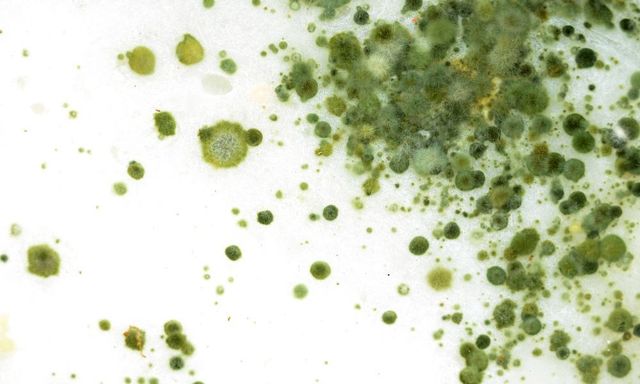
Living in South Florida means sunshine, palm trees… and humidity that never really takes a day off. While most homeowners expect moisture issues in bathrooms or around windows, many are surprised to learn that some of the most persistent mold problems don’t start on walls or ceilings at all. They start inside the HVAC system.
Let’s clear something up right away: not every HVAC system has mold, and not every speck of discoloration is a health emergency. But ignoring real HVAC mold issues because you’re tired of scare-based marketing can cost you comfort, air quality, and money over time. This guide sticks to facts, not fear, so you know when HVAC mold is a real concern and when it’s not.
Why HVAC Systems Are a Prime Spot for Mold in South Florida
Mold needs three things to grow: moisture, warmth, and a food source. Unfortunately, HVAC systems in South Florida provide all three.
Your air conditioner pulls warm, humid air from inside your home, cools it, and pushes it back through ductwork. During this process, condensation forms naturally on coils, drain pans, and sometimes inside ducts. Add dust, skin cells, and debris floating through the system, and you’ve got a perfect environment for mold to settle in.
This doesn’t mean your HVAC system is “dirty” or poorly maintained. It means it’s operating in a high-humidity climate, and without proper airflow, drainage, and maintenance, mold can gain a foothold.
Where HVAC Mold Actually Forms (Not Where Ads Say It Does)
A lot of fear-based messaging implies mold is “everywhere” in your system. In reality, HVAC mold tends to show up in specific locations:
- Evaporator coils where condensation is constant
- Drain pans and drain lines that clog or overflow
- Duct interiors when moisture combines with dust buildup
- Air handlers located in closets, garages, or attics
It’s far less common for mold to coat every inch of ductwork. Spot growth is much more typical, especially near cooling components where moisture lingers.
Understanding this matters because targeted cleaning and correction is often more effective than expensive, whole-system treatments that don’t address the root cause.
How HVAC Mold Affects Indoor Air Quality (Without the Drama)
Here’s where things get practical. HVAC mold can impact your home in subtle but meaningful ways:
- Musty or earthy odors when the AC kicks on
- Increased dust or particles settling faster than usual
- Allergy-like symptoms that seem worse indoors
- Uneven airflow or recurring moisture issues
Not everyone reacts the same way. Some people notice symptoms quickly, while others feel nothing at all. That doesn’t mean the mold isn’t there — it just means sensitivity varies.
The real concern isn’t instant illness. It’s long-term exposure combined with continued moisture that allows mold to spread deeper into the system over time.
Common Myths About HVAC Mold (Let’s Kill These)
Myth 1: All HVAC mold is toxic black mold
Reality: Most HVAC mold is common environmental mold. Dangerous strains are rare and require lab testing to confirm.
Myth 2: Bleach fixes HVAC mold
Reality: Bleach doesn’t penetrate porous materials and can’t solve moisture issues inside systems.
Myth 3: Duct cleaning alone eliminates mold
Reality: Cleaning helps, but if humidity and condensation aren’t controlled, mold often returns.
Myth 4: New homes don’t get HVAC mold
Reality: New construction can trap moisture, especially when systems are oversized or poorly balanced.
Fear-based messaging thrives on these myths. Smart homeowners focus on conditions, not panic.
Why Mold Keeps Coming Back in HVAC Systems
If HVAC mold keeps returning after cleaning, the issue usually isn’t the cleaning itself. It’s one (or more) of these underlying problems:
- High indoor humidity (often above 60%)
- Poor drainage or clogged condensate lines
- Inadequate airflow due to dirty filters or duct restrictions
- Oversized AC units that cool too fast and don’t dehumidify properly
Until these are corrected, mold removal is only a temporary fix. This is why experienced inspections look beyond visible growth and focus on system performance and moisture control.
When HVAC Mold Is a Real Risk (And When It’s Not)
Not every situation requires aggressive remediation. HVAC mold is a real concern when:
- Mold growth is active and spreading
- Moisture problems are ongoing
- Odors persist even after cleaning
- Occupants experience worsening respiratory symptoms indoors
On the other hand, small, inactive staining in a dry, well-functioning system may only require monitoring and maintenance.
Knowing the difference helps homeowners avoid unnecessary expenses while still protecting indoor air quality.
How Professionals Evaluate HVAC Mold (What We Actually Look For)
A proper HVAC mold inspection goes beyond a flashlight and a sales pitch. It includes:
- Visual inspection of coils, drain pans, and accessible ducts
- Moisture and humidity measurements
- Airflow and temperature assessments
- Identification of drainage or insulation issues
Testing is used selectively — not as a scare tactic — and recommendations are based on conditions, not assumptions.
Preventing HVAC Mold in South Florida Homes
Prevention is where homeowners save the most money and frustration. Simple steps make a big difference:
- Keep indoor humidity between 45–55%
- Replace air filters regularly
- Schedule annual HVAC maintenance
- Ensure condensate lines stay clear
- Seal duct leaks that allow humid air inside
In some homes, adding improved ventilation or humidity control equipment can dramatically reduce mold risk without major system changes.
The Bottom Line for South Florida Homeowners
HVAC mold isn’t something to panic about — but it’s also not something to ignore. In South Florida’s climate, it’s a manageable issue when handled with accurate information and practical solutions.
Forget fear tactics. Focus on moisture control, system performance, and informed inspections. When those pieces are in place, HVAC mold stops being a mystery and starts being just another part of responsible home maintenance.
