
Why Mold Keeps Returning After DIY Cleaning – A Homeowner’s Guide for Homes in Weston
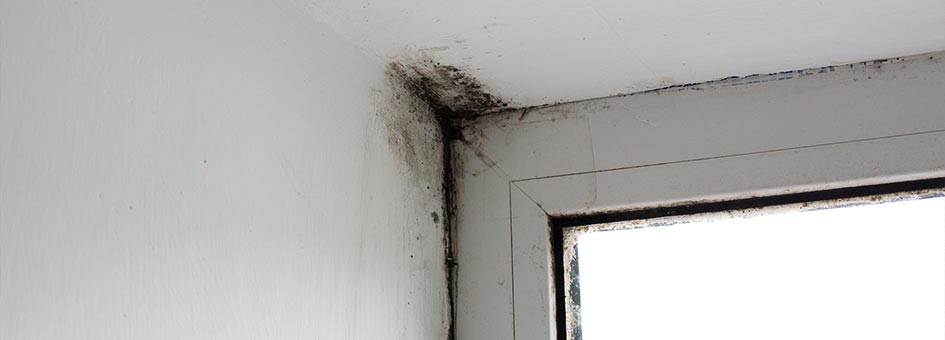
Mold coming back after you scrubbed it feels personal. You cleaned. You dried. You even bought the “strong stuff.” Then—surprise—it’s back. In Weston, we inspect a lot of homes where DIY cleaning looked successful but quietly failed. The issue isn’t effort. It’s physics, moisture, and where mold actually lives.
This guide explains why mold keeps returning after DIY cleaning, based on what we see inside homes in Weston. No scare language. No lectures. Just clear reasons, common mistakes, and what actually stops repeat growth.
Why DIY Mold Cleaning Feels Like It Should Work
Living in Weston means humidity is part of daily life, but mold often shows up small—on grout, baseboards, or a vent cover. That makes it feel manageable.
Most homeowners assume:
- Mold is a surface problem
- Bleach or sprays kill it
- Drying the area ends it
Inspections show those assumptions create the perfect setup for repeat growth.
The Big Misunderstanding: Mold Isn’t a Surface Problem
Here’s the core issue: visible mold is the symptom, not the source. Mold grows inside materials first, then shows up on the surface later.
When you clean:
- You remove what you can see
- You don’t reach what’s inside
- Moisture often remains
That’s why the same spot turns dark again weeks later.
Why Bleach and Store-Bought Sprays Don’t Solve It
Bleach feels definitive. It smells powerful. It looks effective. But on porous materials, it misses the target.
What actually happens:
- Bleach lightens the surface
- Water content penetrates deeper
- Mold roots (hyphae) survive inside
So the surface looks clean while the mold colony stays active underneath.
Moisture: The Reason Mold Comes Back Every Time
Mold doesn’t return because you cleaned wrong. It returns because moisture never stopped.
In Weston homes, we commonly find moisture from:
- High indoor humidity
- AC condensation near vents
- Slow plumbing leaks
- Bathrooms without proper ventilation
As long as moisture stays active, mold keeps growing—cleaning or not.
Why Florida Homes Make DIY Cleaning Harder
Homes across Broward County face constant mold pressure, but Weston adds tightly sealed construction and nonstop AC use.
Inspection trends often show:
- Homes that cool quickly but don’t dry
- Short HVAC cycles limiting dehumidification
- Moisture trapped behind finishes
These conditions allow mold to rebound fast after cleaning.
The HVAC Factor Most DIY Efforts Miss
If mold keeps reappearing in multiple rooms, HVAC involvement becomes likely. DIY cleaning almost never addresses HVAC systems.
We frequently find:
- Mold on evaporator coils
- Damp insulation inside air handlers
- Standing water in drain pans
- Spores exiting supply vents
When HVAC systems distribute spores, cleaning one spot won’t stop recurrence.
Why Mold “Moves” After You Clean
Homeowners often notice mold reappearing in new locations. That’s not coincidence.
This happens because:
- Cleaning disturbs spores
- Airflow redistributes them
- Moisture exists elsewhere
Without containment and filtration, DIY cleaning can spread spores to new areas.
Hidden Mold: The Part DIY Cleaning Never Reaches
Most repeat cases involve hidden mold. You clean what’s visible while growth continues out of sight.
Common hidden locations include:
- Behind drywall
- Under cabinets
- Inside closets
- Around plumbing penetrations
- Inside HVAC components
Until hidden growth gets addressed, surface mold keeps coming back.
Why Drying the Room Isn’t the Same as Drying Materials
Running fans helps air movement. It doesn’t guarantee internal drying.
After DIY drying, inspections often reveal:
- Dry paint over damp drywall
- Insulation still holding moisture
- Wall cavities never fully dried
Mold only needs moisture inside materials—not on the surface—to return.
Mold Inspection: Where Repeat Problems Get Explained
A professional mold inspection focuses on why mold keeps returning, not just where it appears.
During inspections, we evaluate:
- Indoor humidity levels
- Moisture inside walls
- HVAC system conditions
- Patterns of repeat growth
Once moisture sources get identified, recurrence finally makes sense.
When Mold Testing Helps With Repeat Growth
Not every case needs mold testing, but testing helps when mold returns without visible explanation.
Testing becomes useful when:
- Mold reappears after multiple cleanings
- Odors persist intermittently
- Symptoms worsen indoors
- Documentation matters
Testing confirms whether spores circulate through the air or HVAC system.
Mold Removal vs. Mold Remediation: Why DIY Stops Short
This is the turning point most homeowners miss.
- Mold removal cleans what exists
- Mold remediation stops mold from coming back
DIY efforts almost always stop at removal. Without remediation, moisture and conditions stay unchanged.
Why Repeated DIY Cleaning Costs More Over Time
DIY cleaning feels cheaper upfront. Repeat cleaning adds up quietly.
Ignoring root causes often leads to:
- Larger affected areas
- HVAC contamination
- Material replacement
- Full remediation later
Early remediation costs less than months or years of repeat cleaning.
Real Inspection Insight: “I Cleaned It Three Times”
One Weston homeowner cleaned bathroom mold repeatedly with bleach. It kept returning. Inspection revealed elevated humidity, poor ventilation, and moisture inside the wall behind the shower.
Once moisture got corrected and affected materials removed, mold stopped returning entirely. Cleaning alone never could have solved it.
How Professionals Stop Mold From Returning
Professional mold remediation focuses on prevention, not just cleanup.
Effective remediation includes:
- Containment to prevent spore spread
- HEPA filtration
- Removal of contaminated materials
- Moisture correction
- Verification of dry conditions
When moisture stops, mold stops.
Verification: The Step DIY Never Includes
Verification confirms the environment no longer supports mold growth.
Verification may include:
- Moisture measurements
- Visual confirmation
- Optional follow-up testing
Skipping verification leaves homeowners guessing—and often cleaning again.
How Often Homes With Past Mold Should Be Checked
Homes with prior mold issues deserve monitoring.
We recommend inspections:
- Annually
- After plumbing leaks
- If humidity rises
- When mold returns after cleaning
Early checks prevent repeat cycles.
Preventing Mold After You’ve Cleaned It
Once mold appears, prevention matters more than effort.
Effective prevention includes:
- Managing indoor humidity
- Maintaining HVAC drainage
- Using bathroom ventilation
- Fixing leaks immediately
Consistency beats stronger cleaners every time.
Final Thoughts: Mold Returns for a Reason
Mold doesn’t come back because you didn’t scrub hard enough. It comes back because conditions never changed. In Weston homes, humidity, hidden moisture, and HVAC systems quietly undo DIY efforts again and again.
The solution stays consistent: thorough mold inspection, targeted mold testing when appropriate, proper mold removal, and complete mold remediation. Address the cause, not just the stain, and mold stops returning.
