
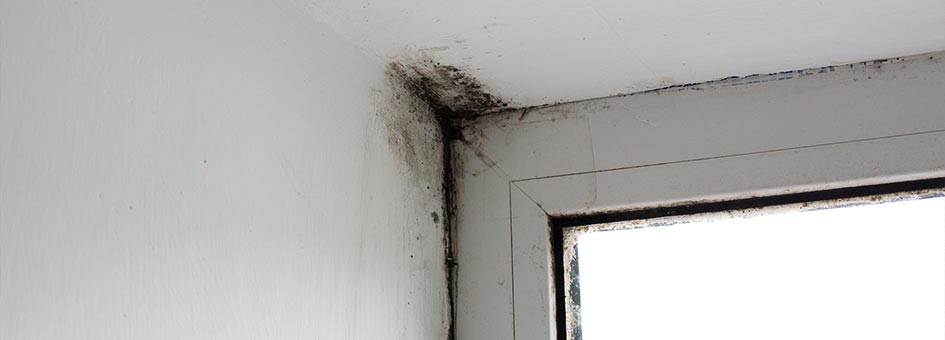
Water damage doesn’t usually announce itself as a crisis. In Tamarac, it often looks minor—a leak that stopped, a stain that dried, a spill that got cleaned up fast. We inspect many homes where homeowners genuinely believed the issue ended when the water disappeared. Inside the walls, though, the story keeps going.
This article breaks down facts vs common myths about how water damage turns into mold problems, based on what we actually see inside homes in Tamarac. No fear tactics. No exaggerated timelines. Just the real science, the real inspection patterns, and the mistakes that quietly turn small water events into mold remediation projects.
Why Water Damage Gets Downplayed in Tamarac Homes
Living in Tamarac means humidity, seasonal storms, and AC running most of the year. Moisture feels normal here, which makes small water issues feel easy to brush off.
Most homeowners believe:
- If it dries, it’s no longer a problem
- Mold only follows floods or major leaks
- A quick repair prevents future issues
Inspection data consistently proves those assumptions wrong.
Fact vs Myth: Dry on the Surface Means Dry Overall
Myth: Once surfaces feel dry, the problem is solved.
Fact: Dry surfaces often hide wet materials underneath.
During inspections after “resolved” water damage, we frequently find:
- Damp drywall behind paint
- Insulation holding moisture
- Wood framing drying slowly, not dry
- Elevated moisture inside wall cavities
Mold doesn’t need visible water. It only needs moisture trapped where air can’t reach.
The Science Made Simple: How Water Actually Moves
Water doesn’t stop where you see it. It spreads outward and downward before it evaporates.
Inside homes, water tends to:
- Wick into drywall and insulation
- Travel along framing
- Pool in low-airflow spaces
- Get trapped behind cabinets and flooring
This hidden spread explains why mold often appears far from the original leak.
Fact vs Myth: Mold Starts Immediately After Water Damage
Myth: Mold shows up right away if it’s going to happen.
Fact: Mold growth usually takes time and stays hidden early.
A common inspection timeline looks like this:
- Minor leak or water event
- Surfaces dry within hours or days
- Hidden moisture remains
- Mold begins growing inside materials
- Odors or symptoms appear weeks later
What feels sudden usually started long before anyone noticed.
Why Tamarac Homes Are Vulnerable After Small Leaks
Homes throughout Broward County face water exposure, but Tamarac adds aging plumbing, flat roof sections, and steady humidity.
Inspection trends in Tamarac often reveal:
- Slow plumbing leaks behind walls
- Window and roof intrusion after storms
- AC condensation issues
- Moisture lingering longer than expected
None of these look dramatic. All of them support mold growth when ignored.
Fact vs Myth: Only Big Water Events Cause Mold
Myth: No flood means no mold risk.
Fact: Most mold we find comes from small, repeated, or long-term moisture.
We regularly trace mold growth back to:
- Dripping supply lines
- Shower plumbing seepage
- AC drain backups
- Minor roof leaks
Small moisture plus time beats one big spill every time.
Where Mold Shows Up After Water Damage
Mold grows where moisture stays the longest, not where water looked worst.
During inspections, we most often find mold:
- Behind drywall near plumbing
- Under bathroom and kitchen cabinets
- Inside closets adjacent to wet areas
- Around HVAC components
- Under flooring near slow leaks
By the time mold reaches visible areas, it often spread internally first.
HVAC Systems: The Hidden Second Stage
Water damage doesn’t stop at walls. HVAC systems often get involved after moisture events.
Inspection findings frequently include:
- Increased condensation after water damage
- Mold on evaporator coils
- Damp insulation inside air handlers
- Standing water in drain pans
Once HVAC systems become involved, mold exposure spreads beyond the original damage zone.
Fact vs Myth: Odors Would Appear Right Away
Myth: Mold would smell musty immediately.
Fact: Odors often appear much later.
Delayed odors usually happen because:
- Mold grows inside materials first
- Gases release intermittently
- Humidity activates growth
- Airflow finally spreads odors
If a musty smell appears weeks or months after water damage, it’s rarely random.
Why Fans and Dehumidifiers Aren’t Always Enough
DIY drying helps—but only on the surface.
After homeowner drying efforts, inspections often reveal:
- Dry paint over damp drywall
- Insulation never removed or dried
- Moisture trapped behind cabinets
- Wall cavities that never fully dried
Drying must reach inside materials to stop mold growth.
Mold Inspection: How Water Damage Gets Evaluated Properly
A professional mold inspection doesn’t focus only on visible mold. It focuses on moisture history.
During inspections, professionals evaluate:
- Moisture levels inside walls
- Indoor humidity
- HVAC system conditions
- Areas affected by past water events
Water damage almost always leaves measurable evidence behind.
When Mold Testing Helps After Water Damage
Not every water event requires mold testing, but testing helps when things don’t add up.
Testing becomes useful when:
- Odors persist after drying
- Health symptoms appear later
- Mold returns after cleaning
- Documentation matters
Testing confirms whether water damage already turned into airborne exposure.
Mold Removal vs. Mold Remediation: A Key Difference
This distinction matters most after water damage.
- Mold removal addresses visible growth
- Mold remediation addresses moisture and prevents regrowth
Skipping remediation means the same moisture conditions remain—and mold usually comes back.
Fact vs Myth: Waiting Makes Mold Easier to Fix
Myth: Waiting lets things dry naturally.
Fact: Waiting usually lets mold spread.
Delays often lead to:
- Larger affected areas
- HVAC contamination
- Structural material replacement
- Higher overall costs
Early moisture correction keeps remediation smaller and more affordable.
Real Inspection Insight: “It Was Just a Small Leak”
One Tamarac homeowner fixed a slow kitchen leak and moved on. Months later, a faint odor appeared. Inspection revealed moisture behind cabinets and mold extending into the wall cavity.
Early remediation limited damage. Waiting would have required removing cabinets and flooring.
How Professionals Stop Mold After Water Damage
Professional mold remediation focuses on moisture control first, mold second.
Effective remediation includes:
- Identifying hidden moisture
- Removing affected materials
- Containment to prevent spore spread
- HEPA filtration
- Verification that drying succeeded
When moisture truly leaves, mold stops growing.
Why Verification Matters After Water Damage
Post-remediation verification confirms materials actually returned to safe moisture levels.
Verification may include:
- Moisture measurements
- Visual confirmation
- Optional follow-up testing
Skipping verification increases the risk of repeat mold problems.
How Soon Homes Should Be Checked After Water Damage
The sooner moisture gets evaluated, the smaller the problem stays.
We recommend inspections:
- Immediately after water damage
- If odors appear later
- When walls or floors feel off
- If indoor symptoms worsen
Early evaluation always costs less than late remediation.
Preventing Mold After Water Damage Going Forward
Prevention depends on response speed and thoroughness.
Effective prevention includes:
- Drying materials completely
- Monitoring moisture levels
- Maintaining HVAC drainage
- Managing indoor humidity
Quick action prevents long-term consequences.
Final Thoughts: Water Damage Always Leaves Clues
Water damage in Tamarac homes rarely ends when surfaces dry. It leaves clues inside walls, floors, and systems. Mold simply follows those clues over time.
The solution stays consistent: thorough mold inspection, targeted mold testing when appropriate, proper mold removal, and complete mold remediation. Address moisture early, and mold rarely becomes a major issue.
If your home experienced water damage—even a small event—and something feels off now, don’t rely on myths to explain it away. The facts almost always point to moisture that never fully left.
