
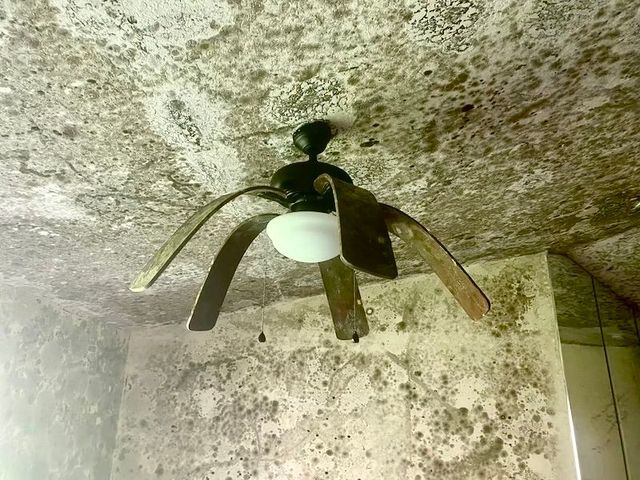
Humidity doesn’t get enough blame. In Deerfield Beach, most indoor air quality problems don’t start with mold you can see or smells you can point to. They start with moisture that never fully leaves. Homes feel cool, clean, and fine—until the air starts feeling heavy, allergies won’t settle down, and musty odors show up out of nowhere. From what we see during inspections, humidity usually sits at the center of it all.
This guide breaks down how humidity impacts indoor air quality, using practical advice from experts based on what actually shows up inside homes in Deerfield Beach. No scare tactics. No technical overload. Just real explanations and clear steps homeowners can actually use.
Why Humidity Is a Bigger Problem in Deerfield Beach Homes
Living in Deerfield Beach means coastal moisture, salt air, and air conditioning running most of the year. Homes stay sealed to keep cool air inside, but that also traps moisture.
Most homeowners assume:
- AC automatically controls humidity
- If the house feels cool, air quality is fine
- Humidity only matters if mold is visible
Inspection data consistently shows humidity affects indoor air quality long before mold ever appears.
What Indoor Air Quality Really Means
Indoor air quality has very little to do with how clean your house looks. It’s about how air behaves inside your home.
Poor indoor air quality often involves:
- Excess indoor humidity
- Particles staying airborne too long
- Mold spores and allergens circulating
- Stale, recirculated air
Humidity controls all of these factors. When moisture stays high, air quality almost always drops.
The Science Made Simple: Why Humidity Changes the Air
Humidity affects air physics. Moist air holds particles longer, which means allergens, dust, and spores don’t settle the way they should.
In practical terms:
- Air feels heavier and harder to breathe
- Odors linger instead of clearing
- Irritants stay suspended longer
- Mold spores survive and travel more easily
That’s why high humidity feels uncomfortable even in clean homes.
What Experts See First During Inspections
When we inspect homes in Deerfield Beach, humidity readings often explain everything else.
Common findings include:
- Indoor humidity above recommended ranges
- Moisture rebounding quickly after AC cycles
- Damp closets and low-airflow rooms
- Condensation near vents and air handlers
When humidity stays elevated, indoor air quality problems almost always follow.
Why Air Conditioning Doesn’t Always Control Humidity
This surprises many homeowners. AC cools air faster than it removes moisture—especially in tightly sealed homes.
Inspection patterns often show:
- Short AC cycles that cool too quickly
- Limited moisture removal during each cycle
- Damp HVAC components that never fully dry
- Homes that feel cool but still feel sticky
Cooling and dehumidifying are related, but they’re not the same job.
HVAC Systems: Where Humidity Turns Into an Air Quality Issue
HVAC systems sit at the center of humidity control. When moisture enters the system, air quality drops fast.
During inspections, we often find:
- Condensation inside air handlers
- Mold growth on evaporator coils
- Damp internal insulation
- Standing water in drain pans
Once HVAC components stay damp, they distribute poor-quality air throughout the entire home.
Why Odors Appear When Humidity Rises
Humidity doesn’t create odors—it keeps odor-causing particles airborne.
Homeowners commonly notice:
- Musty smells during humid days
- Odors when the AC turns on
- Smells that move from room to room
These patterns usually trace back to moisture interacting with airflow, not cleanliness.
Humidity and Allergy-Like Symptoms
High humidity irritates airways even without visible mold. When mold is present, symptoms usually worsen.
We frequently hear about:
- Congestion that worsens indoors
- Sneezing or sinus pressure at home
- Headaches in the evenings
- Fatigue that improves outside
When symptoms follow the house instead of seasons, indoor humidity deserves attention.
Why Cleaning Doesn’t Fix Humidity Problems
Many homeowners clean more when the air feels bad. Cleaning helps surfaces. It doesn’t change air behavior.
Cleaning doesn’t address:
- Moisture in the air
- Damp HVAC components
- Hidden mold growth
- Poor ventilation
We inspect spotless homes with serious humidity-driven air quality problems all the time.
Mold Inspection: How Humidity Issues Get Identified
A professional mold inspection focuses on moisture first, because moisture drives air quality decline.
During inspections, professionals evaluate:
- Indoor humidity levels
- Moisture inside walls
- HVAC system conditions
- Areas with past water intrusion
Once humidity data gets reviewed, air quality issues usually make sense immediately.
When Mold Testing Helps With Humidity Concerns
Not every humidity issue requires mold testing, but testing becomes useful when air quality feels off without visible mold.
Testing helps when:
- Odors persist intermittently
- Symptoms worsen indoors
- Mold keeps returning after cleaning
- Documentation matters
Testing confirms whether humidity already enabled airborne exposure.
Why Deerfield Beach Homes Face Consistent Humidity Pressure
Homes throughout Broward County face humidity challenges, but Deerfield Beach adds coastal moisture and constant AC use.
Inspection trends often show:
- Elevated indoor humidity year-round
- HVAC systems that rarely fully dry
- Moisture trapped inside wall cavities
- Condensation-driven mold growth
These conditions quietly degrade indoor air quality over time.
Practical Expert Advice: What Actually Helps
Experts focus on controlling conditions, not masking symptoms.
Practical steps that work:
- Keep indoor humidity within recommended ranges
- Ensure HVAC drain lines stay clear
- Use bathroom and kitchen ventilation consistently
- Address condensation issues early
- Schedule routine HVAC inspections
Small adjustments prevent big air quality problems later.
Mold Removal vs. Mold Remediation When Humidity Is the Driver
Homeowners often remove visible mold without addressing humidity. That rarely works.
The difference matters:
- Mold removal eliminates visible growth
- Mold remediation corrects humidity and moisture conditions
Air quality improves only when humidity stays controlled.
Real Inspection Insight: “The House Felt Sticky”
One Deerfield Beach homeowner complained the house felt sticky despite constant AC use. No visible mold existed. Inspection revealed elevated humidity and damp insulation inside the HVAC system.
Correcting humidity and HVAC moisture restored indoor air quality. Waiting would have allowed mold to spread further.
Why Ignoring Humidity Gets Expensive
Humidity problems don’t stay isolated. Over time, they lead to secondary damage.
Delays often result in:
- Hidden mold growth
- HVAC contamination
- Material deterioration
- Larger remediation projects
Early humidity control keeps solutions focused and affordable.
Why Verification Matters After Corrections
Post-remediation verification confirms humidity and moisture actually dropped to safe levels.
Verification may include:
- Moisture measurements
- Humidity readings
- Visual confirmation
- Optional follow-up testing
Skipping verification risks repeat issues.
How Often Homes Should Be Evaluated
Humidity conditions change over time, especially in coastal climates.
Experts recommend evaluations:
- Annually
- After water damage
- When air feels heavy
- When odors persist
Early evaluation prevents long-term air quality problems.
Preventing Humidity-Driven Air Quality Issues Long-Term
Prevention focuses on consistency.
Effective prevention includes:
- Managing indoor humidity year-round
- Maintaining HVAC systems
- Fixing leaks immediately
- Ensuring proper ventilation
Small habits make a big difference over time.
Final Thoughts: Humidity Quietly Controls Indoor Air
Humidity doesn’t need fear tactics to matter. In Deerfield Beach homes, it quietly controls how air feels, how mold grows, and how comfortable a house really is. Ignore it, and indoor air quality declines slowly but steadily.
The solution stays consistent: thorough mold inspection, targeted mold testing when appropriate, proper mold removal, and complete mold remediation, with humidity control at the center. Address moisture early, and indoor air quality improves naturally.
If your home feels heavy, stale, or uncomfortable despite cooling, don’t brush it off. From what experts see inside homes, humidity almost always explains why—and fixing it early always costs less than waiting.
