
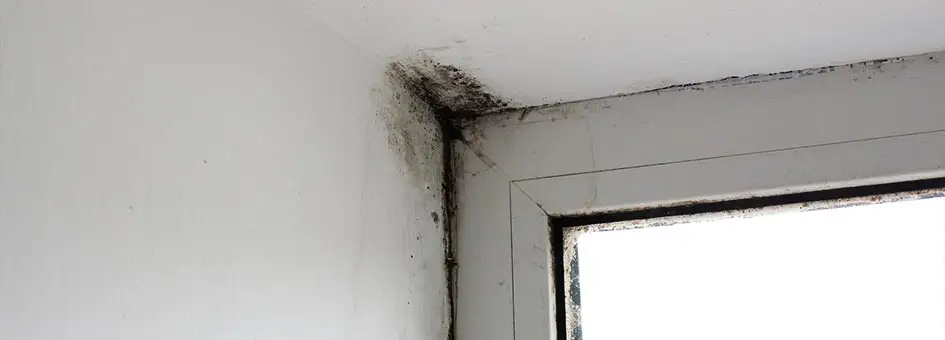
Water damage doesn’t usually kick the door in and announce itself as a disaster. In Pembroke Pines, it’s far more subtle—a leak that “wasn’t that bad,” a ceiling stain that dried, or a bathroom that stayed damp a little too long. From what we see inside homes, those quiet moments are exactly where mold problems begin. Not fear. Just physics and time doing their thing.
This article explains how water damage turns into mold problems, focusing on real risks—not fear tactics—for homes in Pembroke Pines. Everything here comes straight from inspection patterns and remediation work, not worst-case storytelling.
Why Water Damage Gets Minimized in Pembroke Pines Homes
Living in Pembroke Pines means humidity, heavy rain cycles, and air conditioning running most of the year. Moisture feels normal, so small water issues rarely feel urgent.
Most homeowners assume:
- If the water is gone, the problem is gone
- Mold only follows floods or major leaks
- A quick repair prevents future issues
Inspections consistently show those assumptions cost homeowners later.
The Simple Science: Water Moves, Then Stays
Water doesn’t behave the way people expect. It doesn’t just drip, dry, and disappear.
Inside a home, water tends to:
- Wick into drywall and insulation
- Travel along framing
- Settle in low-airflow areas
- Get trapped behind cabinets and flooring
Even when surfaces dry quickly, moisture often stays hidden where air can’t reach.
Real Risk #1: Hidden Moisture After “Minor” Water Damage
Most mold problems don’t start with dramatic water events. They start with moisture that never fully dries.
During inspections, we frequently find:
- Damp drywall weeks after a leak
- Insulation holding moisture with no stains
- Elevated readings inside wall cavities
- Humidity trapped behind finished surfaces
Mold doesn’t need visible water—just lingering moisture and time.
Why Pembroke Pines Homes Are Vulnerable After Water Events
Homes throughout Broward County face moisture pressure, but Pembroke Pines adds specific challenges.
Inspection trends often reveal:
- Aging plumbing behind walls
- AC condensation backups
- Window and roof intrusion after storms
- Slow drying due to high ambient humidity
None of these look extreme. All of them support mold growth when ignored.
Real Risk #2: Mold Starts Before You Can See It
Mold growth usually begins inside materials, not on the surface.
A common inspection timeline looks like this:
- Small leak or water event
- Surfaces dry within days
- Hidden moisture remains
- Mold begins growing inside drywall or insulation
- Odors or symptoms appear later
When mold becomes visible, it’s often already well established.
Where Mold Commonly Appears After Water Damage
From real inspections, mold consistently shows up in the same post-water locations.
We most often find it:
- Behind drywall near plumbing
- Under bathroom and kitchen cabinets
- Inside closets next to wet areas
- Around HVAC components
- Under flooring near slow leaks
Mold grows where moisture stays longest—not where water looked worst.
HVAC Systems: The Quiet Second Phase
Water damage doesn’t always stop at walls. HVAC systems often get involved next.
Inspection findings frequently include:
- Increased condensation after leaks
- Mold on evaporator coils
- Damp insulation inside air handlers
- Standing water in drain pans
Once HVAC systems get involved, mold exposure spreads beyond the original damage area.
Real Risk #3: Odors and Symptoms Show Up Late
Many homeowners wait for a smell before taking action. By then, mold often spread.
Delayed musty odors usually happen because:
- Mold grew inside materials first
- Gases released intermittently
- Humidity activated growth
- Airflow finally carried odors into rooms
Odors appearing weeks or months after water damage almost always trace back to that event.
Why Fans and DIY Drying Often Fall Short
Fans help air move. They don’t guarantee internal drying.
After DIY drying efforts, inspections often reveal:
- Dry paint over damp drywall
- Insulation never removed or dried
- Moisture trapped behind cabinetry
- Wall cavities that never reached safe moisture levels
Drying has to reach inside materials to stop mold.
Mold Inspection: How Real Risk Gets Identified
A professional mold inspection focuses on moisture history and building behavior—not just visible mold.
During inspections, professionals evaluate:
- Moisture levels inside walls
- Indoor humidity
- HVAC system conditions
- Areas affected by past water events
Water damage almost always leaves measurable evidence behind.
When Mold Testing Makes Sense After Water Damage
Not every situation requires mold testing, but testing helps when the picture isn’t clear.
Testing becomes useful when:
- Odors persist after drying
- Health symptoms appear later
- Mold keeps returning after cleaning
- Documentation matters for real estate or insurance
Testing confirms whether water damage already turned into airborne exposure.
Mold Removal vs. Mold Remediation: A Real Risk Difference
This distinction matters more after water damage than almost anything else.
- Mold removal addresses visible growth
- Mold remediation corrects moisture and prevents regrowth
Skipping remediation means moisture conditions stay active—and mold often returns.
Real Risk #4: Waiting Expands the Damage Zone
Time always favors mold. While homeowners wait, moisture migrates.
Delays commonly result in:
- Larger affected areas
- HVAC contamination
- Structural material replacement
- Higher overall remediation costs
Early moisture correction keeps problems contained.
Real Inspection Insight: “It Didn’t Seem Serious”
One Pembroke Pines homeowner ignored a small ceiling stain after a roof issue. Months later, a musty odor appeared. Inspection revealed moisture behind the ceiling, mold growth inside the wall cavity, and early HVAC involvement.
Early remediation would’ve stayed localized. Waiting expanded the scope significantly.
How Professionals Stop Mold After Water Damage
Professional mold remediation focuses on moisture first, mold second.
Effective remediation includes:
- Identifying hidden moisture
- Removing affected materials
- Containment to prevent spore spread
- HEPA filtration
- Verification that drying succeeded
When moisture truly leaves, mold stops growing.
Why Verification Matters
Post-remediation verification confirms materials actually returned to safe moisture levels.
Verification may include:
- Moisture measurements
- Visual confirmation
- Optional follow-up testing
Skipping verification increases the chance of repeat mold problems.
How Soon Homes Should Be Evaluated After Water Damage
Waiting rarely helps.
We recommend inspections:
- Immediately after water damage
- If odors appear later
- When walls or floors feel off
- If indoor symptoms worsen
Early evaluation always costs less than late remediation.
Preventing Mold After Water Damage Going Forward
Prevention depends on speed and thoroughness.
Effective prevention includes:
- Drying materials completely
- Monitoring moisture levels
- Maintaining HVAC drainage
- Managing indoor humidity
Small steps early prevent big problems later.
Final Thoughts: Real Risks Don’t Need Fear
Water damage in Pembroke Pines homes doesn’t need scare stories to matter. The real risk is simple: moisture that stays becomes mold. Ignoring it doesn’t make it disappear—it gives it time.
The solution stays consistent: thorough mold inspection, targeted mold testing when appropriate, proper mold removal, and complete mold remediation. Address moisture early, and mold rarely becomes a major issue.
If your home had water damage—recently or months ago—and something feels off now, don’t rely on hope or assumptions. From what we see inside homes, water always leaves a footprint. Mold just follows it if no one intervenes.
