
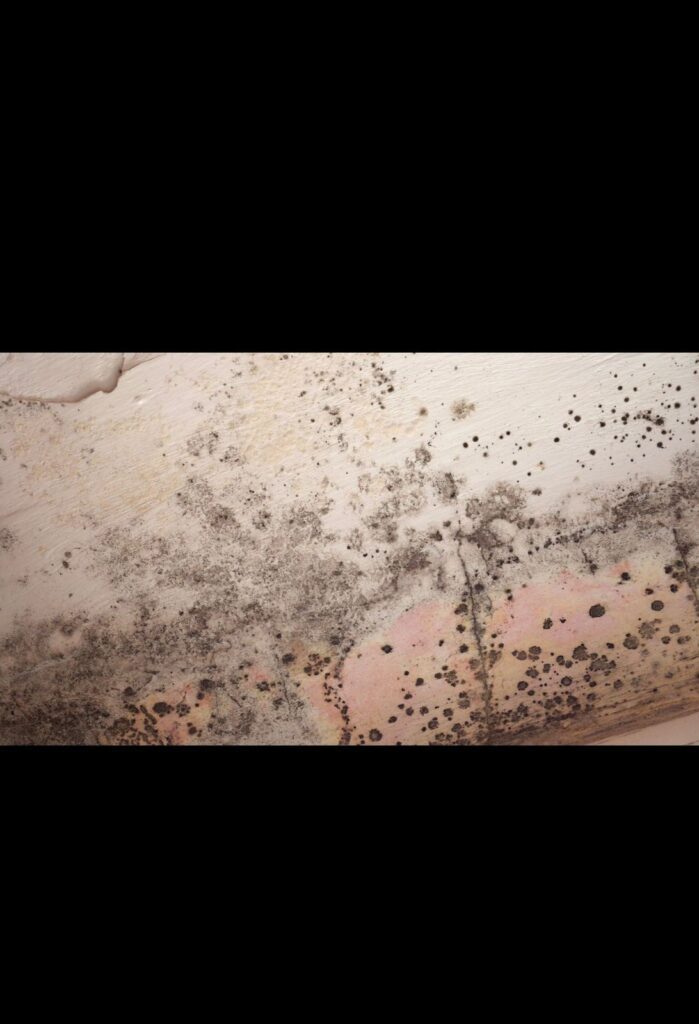
Health Effects of Long-Term Mold Exposure – Why Ignoring It Costs More for Homes in Plantation
Let me start with something simple.
If you feel congested every morning in your own house, that’s not just “Florida being Florida.”
In Plantation, where humidity stays high most of the year, long-term mold exposure builds quietly. It doesn’t show up like a horror movie. It shows up as subtle symptoms, rising repair bills, and HVAC systems working overtime.
I’ve inspected enough homes here to say this clearly: ignoring mold exposure costs more over time — physically and financially.
Let’s break this down without fear tactics.
First: What Long-Term Mold Exposure Actually Means
Every home has mold spores. That’s normal.
The issue begins when moisture allows mold to grow continuously for weeks or months. In Plantation homes, that often happens due to:
- Indoor humidity above 60%
- AC condensation problems
- Minor roof or plumbing leaks
- Poor attic ventilation
- Flood-related moisture
Long-term exposure means you breathe elevated spore levels daily.
You might not see dramatic wall growth. You’ll feel it before you see it.
Common Health Symptoms Homeowners Report
Here’s what we hear most during inspections in Plantation.
Long-term mold exposure may contribute to:
- Persistent nasal congestion
- Sneezing indoors
- Itchy or watery eyes
- Chronic coughing
- Sinus pressure
- Throat irritation
- Headaches
Ever notice symptoms improve when you leave the house? That pattern matters.
Your body often identifies indoor air problems before your eyes do.
Respiratory Irritation and Asthma Flare-Ups
People with asthma or allergies feel the impact faster.
Mold spores irritate airways. That can trigger:
- Wheezing
- Shortness of breath
- Chest tightness
- Increased inhaler use
Long-term irritation doesn’t guarantee severe illness. But ongoing exposure stresses the respiratory system over time.
Plantation’s humidity keeps mold active year-round, which means exposure rarely pauses.
The Fatigue Factor Most People Overlook
Here’s something that surprises homeowners.
Some report:
- Constant fatigue
- Difficulty concentrating
- Poor sleep
- “Brain fog” indoors
Poor indoor air quality affects comfort more than people realize.
If multiple household members feel better outside the home, that’s a sign worth investigating.
It’s not about panic. It’s about patterns.
Why HVAC Systems Increase Exposure
Your HVAC system runs almost daily in Plantation.
If mold grows inside:
- Evaporator coils
- Drain pans
- Flex ducts
- Air handler cabinets
Spores circulate throughout the house continuously.
IMO, HVAC-related mold causes more long-term exposure than visible wall growth.
If your AC smells musty when it turns on, don’t ignore it.
The Real Financial Cost of Ignoring It
Here’s where homeowners get surprised.
Ignoring mold exposure doesn’t just impact health. It increases repair costs.
Over time:
- Mold spreads deeper into drywall and insulation
- Structural materials weaken
- HVAC systems become contaminated
- Energy efficiency drops
- Remediation scope increases
Fixing a small moisture issue early costs far less than full-scale remediation months later.
Would you rather adjust humidity now or replace large sections of ceiling later? Exactly.
Plantation’s Climate Makes Delay Expensive
Plantation’s warm temperatures and high humidity accelerate mold growth.
Even minor moisture problems grow quickly in this environment.
We frequently inspect homes where:
- Indoor humidity sits at 65%
- Condensation forms inside ducts
- Minor leaks go unnoticed
- Mold spreads behind walls
The longer moisture stays, the larger the contamination zone becomes.
Ignoring it doesn’t freeze the problem. It multiplies it.
Practical Steps to Reduce Long-Term Risk
You don’t need extreme measures. You need consistency.
Here’s what we recommend:
- Keep indoor humidity between 45–55%
- Install a hygrometer to monitor levels
- Service HVAC systems annually
- Clean AC drain lines monthly
- Fix leaks immediately
- Improve attic and bathroom ventilation
- Schedule professional mold inspection if symptoms persist
Small steps prevent big expenses.
FYI, most long-term mold exposure cases begin with moisture homeowners didn’t measure.
Real Inspection Example From Plantation
We recently inspected a Plantation home where the family reported ongoing sinus irritation.
No visible mold appeared.
We found:
- Indoor humidity at 64%
- Condensation inside return ducts
- Mold growth on evaporator coils
- Poor attic ventilation
After correcting humidity and servicing the HVAC system, symptoms improved significantly within weeks.
Early correction prevented structural damage and large remediation costs.
That’s the difference between proactive and reactive.
Final Thoughts: Small Problems Become Big Bills
Long-term mold exposure doesn’t explode overnight. It builds slowly in humid climates like Plantation.
The science stays simple:
Moisture feeds mold. Mold releases spores. Spores affect air. Air affects you.
Ignore moisture, and both health and repair costs increase.
Address humidity early, maintain your HVAC system, and investigate persistent symptoms calmly and quickly.
Because in Plantation, delay doesn’t make mold disappear.
It makes it expensive.
