
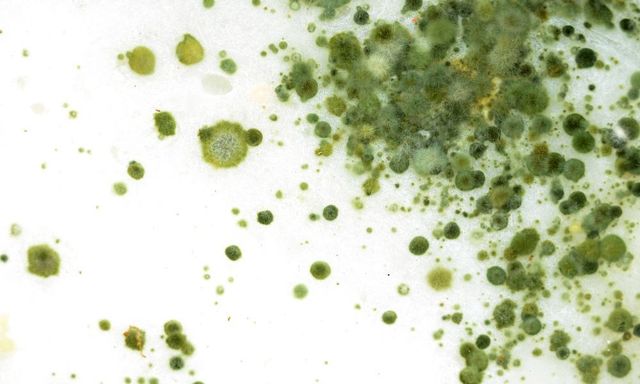
Mold and allergies get lumped together in Florida, usually with a shrug. In Miramar, we hear it all the time: “Everyone has allergies here,” or “It’s just the weather.” Sometimes that’s true. Often, it’s not. From what inspections actually show, mold-related allergies follow very different rules than most homeowners expect.
This guide breaks down facts vs common myths about mold and allergies, specifically for homes in Miramar. No fear tactics. No exaggerated health claims. Just what homeowners should realistically understand—and why believing the wrong myths often delays real solutions.
Why Mold and Allergies Get Confused in Miramar Homes
Living in Miramar means humidity, sealed homes, and air conditioning running nearly nonstop. Allergy symptoms feel normal here, which makes indoor causes easy to overlook.
Most homeowners assume:
- Allergies always come from outdoors
- Mold would cause obvious illness
- If mold were the issue, everyone in the house would feel sick
Inspection patterns tell a very different story.
Fact vs Myth: Mold Only Causes Serious Health Problems
Myth: Mold only matters if people get very sick.
Fact: Mold most often causes chronic, low-level symptoms.
In real homes, mold exposure commonly shows up as:
- Ongoing congestion
- Sinus pressure
- Headaches at home
- Fatigue that improves outside
These symptoms rarely feel dramatic, which is why they get ignored.
How Mold Triggers Allergy Symptoms
Mold affects allergies through constant exposure, not one-time contact. Spores and fragments circulate in the air and get inhaled repeatedly.
This exposure can:
- Irritate nasal passages
- Trigger sinus inflammation
- Worsen asthma
- Prevent allergy relief from lasting
It’s less about toxicity and more about persistence.
Fact vs Myth: You’d Smell Mold If It Were a Problem
Myth: No musty smell means no mold issue.
Fact: Many homes with mold-related allergies have no noticeable odor.
During inspections, we regularly find:
- Hidden mold with no smell
- Odors that appear only during humidity spikes
- Mold inside HVAC systems without mustiness
Smell depends on airflow and conditions—not just mold presence.
Why Symptoms Often Feel Location-Based
One of the biggest clues homeowners miss is where symptoms occur.
Mold-related allergies often:
- Worsen indoors
- Improve when leaving home
- Fluctuate with AC use
- Ignore pollen seasons
When symptoms follow the house instead of the calendar, indoor air deserves attention.
Fact vs Myth: Mold Would Be Visible If It Were Affecting Allergies
Myth: If mold affects health, you’d see it.
Fact: Hidden mold affects air quality just as much as visible growth.
Common hidden locations include:
- Behind drywall
- Under cabinets and vanities
- Inside closets with poor airflow
- Inside HVAC systems
- Around plumbing penetrations
Many allergy-driven inspections uncover zero visible mold at first glance.
HVAC Systems: The Allergy Multiplier
Once mold enters the HVAC system, exposure becomes constant.
Inspection findings often include:
- Mold on evaporator coils
- Damp internal insulation
- Standing water in drain pans
- Spores exiting supply vents
At that point, every cooling cycle distributes allergens throughout the home.
Fact vs Myth: Antihistamines Solve Mold-Related Allergies
Myth: Medication controls the problem.
Fact: Medication masks symptoms while exposure continues.
We often see this cycle:
- Medication helps briefly
- Symptoms return
- Dosages increase
- Relief becomes inconsistent
Ignoring the source leads to higher medical costs without real improvement.
Why Humidity Makes Mold Allergies Worse
Humidity doesn’t just help mold grow—it affects how allergens behave in the air.
In Miramar homes, inspections often show:
- Elevated indoor humidity
- Air that feels heavy
- Condensation near vents
- Moisture lingering in closets
High humidity keeps spores airborne longer and irritates airways on its own.
Fact vs Myth: Cleaning Fixes Mold Allergies
Myth: Cleaning and disinfecting solves allergy issues.
Fact: Cleaning surfaces doesn’t change airborne exposure.
Cleaning doesn’t address:
- Hidden mold growth
- Moisture inside walls
- HVAC contamination
- Airflow patterns
We inspect many spotless homes with ongoing mold-related allergy complaints.
Mold Inspection: The Turning Point for Allergy Confusion
A professional mold inspection often explains allergy symptoms that never made sense before.
During inspections, professionals evaluate:
- Indoor humidity levels
- Moisture inside walls
- HVAC system conditions
- Areas with past water intrusion
Once moisture and airflow get measured, symptom patterns usually line up clearly.
When Mold Testing Helps Separate Fact From Assumption
Not every allergy case needs mold testing, but testing becomes useful when symptoms persist without visible clues.
Testing helps when:
- Symptoms worsen indoors
- Mold keeps returning after cleaning
- HVAC involvement is suspected
- Documentation matters
Testing confirms whether airborne exposure exists instead of guessing.
Mold Removal vs. Mold Remediation and Allergy Relief
This distinction matters for health.
- Mold removal reduces visible growth
- Mold remediation stops continued exposure
Allergy symptoms improve only when exposure actually ends.
Why DIY Attempts Often Fail With Allergies
DIY cleaning focuses on what’s accessible. Allergens usually aren’t.
DIY efforts fail because they:
- Miss hidden mold
- Leave moisture active
- Disturb spores without containment
- Don’t address HVAC systems
We often see symptoms worsen after DIY attempts due to spore spread.
Why Miramar Homes Face Ongoing Allergy Risk
Homes throughout Broward County face mold pressure, but Miramar adds steady humidity and tightly sealed construction.
Inspection trends often show:
- Limited natural air exchange
- HVAC systems that rarely fully dry
- Moisture trapped behind finishes
- Mold growth without visible signs
These conditions support long-term exposure if ignored.
Real Inspection Insight: “It Was Just Allergies”
One Miramar homeowner treated allergies for years. Symptoms improved on vacation and returned at home. Inspection revealed elevated humidity, hidden mold behind a bathroom wall, and mold inside the HVAC system.
After remediation, symptoms improved steadily. Medication alone never solved the issue.
Why Ignoring Mold Allergies Costs More Over Time
The cost isn’t just physical discomfort. It compounds quietly.
Ignoring mold-related allergies often leads to:
- Repeated doctor visits
- Long-term medication use
- Missed work or productivity loss
- Larger remediation projects later
Early investigation almost always costs less.
How Professionals Reduce Mold-Related Allergy Risk
Professional mold remediation focuses on stopping exposure, not masking symptoms.
Effective remediation includes:
- Containment to prevent spore spread
- HEPA filtration
- Removal of contaminated materials
- Moisture correction
- Verification of safe conditions
When exposure stops, the body finally gets relief.
Why Verification Matters for Health
Verification confirms mold conditions no longer support continued exposure.
Verification may include:
- Moisture measurements
- Visual confirmation
- Optional follow-up testing
Skipping verification risks ongoing symptoms and repeat costs.
How Often Allergy-Prone Homes Should Be Evaluated
Homes with allergy complaints benefit from regular evaluation.
We recommend inspections:
- Annually
- After water damage
- When symptoms worsen indoors
- When mold returns after cleaning
Routine checks prevent long-term exposure.
Preventing Mold-Related Allergies Long-Term
Prevention focuses on controlling conditions.
Effective prevention includes:
- Managing indoor humidity
- Maintaining HVAC systems
- Fixing leaks immediately
- Using ventilation consistently
Consistency keeps allergens from building up again.
Final Thoughts: Facts Beat Myths Every Time
Mold-related allergies in Miramar homes don’t need fear tactics to matter. They need facts. Myths delay action, while data and inspection insights provide clarity.
The solution stays consistent: thorough mold inspection, targeted mold testing when appropriate, proper mold removal, and complete mold remediation. Address the real source early, and both health and costs stay under control.
If allergy symptoms improve when you leave home but return when you come back, don’t write it off as normal Florida living. From what inspections show, that pattern almost always points indoors—and it’s usually fixable once the myths get out of the way.
