
Why Mold Grows in Florida Homes – The Science Explained Simply for Homes in Pembroke Pines
Let’s not pretend this is shocking.
You live in Pembroke Pines. It’s warm. It’s humid. It rains hard. Your AC runs constantly. And somehow… mold shows up.
Ever wonder why it feels like mold grows faster here than anywhere else? That’s not your imagination. There’s real science behind it — and once you understand it, preventing mold gets way easier.
Let’s break it down without the boring textbook lecture.
The Basic Formula: What Mold Actually Needs
Mold isn’t complicated.
It needs three things:
- Moisture
- Organic material (like drywall or wood)
- Warm temperatures
Pembroke Pines provides all three almost year-round.
Drywall contains paper backing. Wood framing feeds growth. Carpet padding absorbs moisture. Add Florida humidity, and mold sees a five-star resort.
No drama. Just biology.
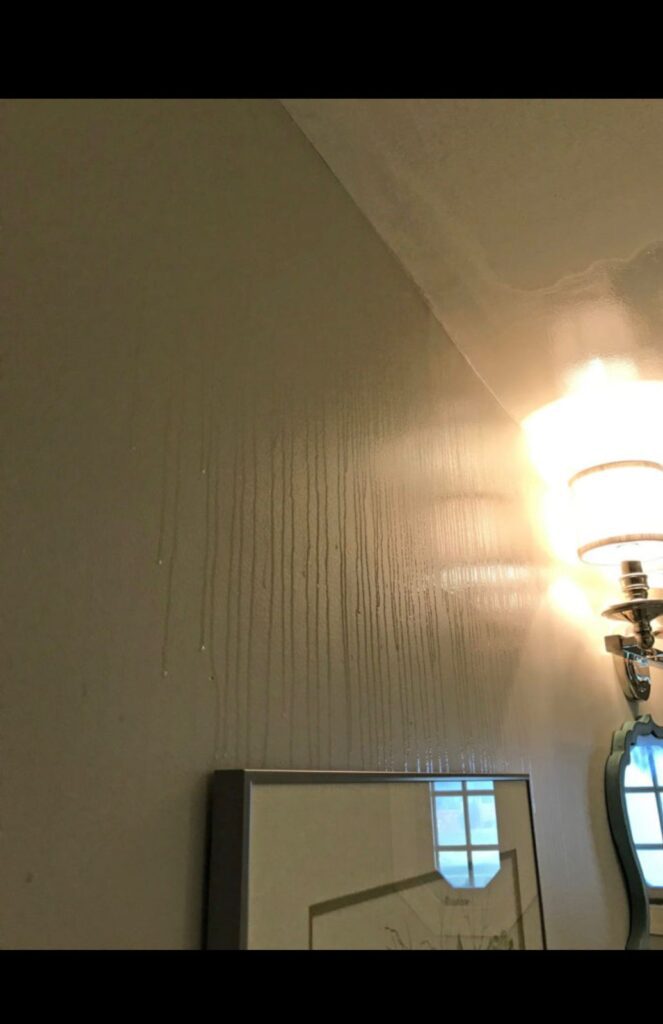
Humidity: The Real MVP of Mold Growth
In Pembroke Pines, indoor humidity often climbs above 60%, especially during summer.
Once humidity crosses that line, mold spores activate quickly.
Here’s what happens:
- Warm air holds moisture.
- Moisture settles on cooler surfaces.
- Surfaces absorb that moisture.
- Mold spores germinate.
You don’t need a flood. You don’t even need a visible leak.
Ever walk into your home and feel that slightly damp air even with the AC running? That’s your first clue.
AC Systems: Cooling the Air, Not Always Drying It
Most homeowners assume their AC solves humidity problems.
Sometimes it does. Sometimes it cools too quickly and shuts off before removing enough moisture.
In Pembroke Pines homes, we frequently see:
- Oversized AC systems
- Clogged drain lines
- Dirty evaporator coils
- Condensation inside ductwork
When an AC system short cycles, it cools the air but leaves humidity behind.
Cool and damp equals perfect mold conditions.
IMO, HVAC performance causes more mold issues here than major roof leaks.
Water Intrusion: The Fast Track to Mold
Now let’s talk about leaks.
Pembroke Pines sees heavy rainstorms. Roof flashing shifts. Plumbing joints loosen. Appliances fail.
Even small leaks create problems.
Drywall absorbs moisture quickly. Insulation traps it. Wood framing holds it.
Mold can begin growing within 24–48 hours if materials stay damp.
That timeline surprises most homeowners.
Waiting a few days after water damage? That’s often all mold needs.
Why Mold Grows Inside Walls
Here’s something people don’t think about.
Drywall doesn’t just get wet where you see it. It wicks moisture sideways.
During inspections in Pembroke Pines, we often find:
- Elevated moisture readings beyond visible stains
- Damp insulation inside wall cavities
- Mold growth on framing
- Moisture under baseboards
You might see a small ceiling stain. Behind it, three feet of damp material could exist.
Mold grows where moisture hides — not where paint shows it.
Coastal Climate = Constant Pressure
Pembroke Pines sits close enough to coastal humidity to feel its impact daily.
Outdoor humidity enters homes every time:
- Doors open
- Windows open
- Air leaks through small gaps
- Duct systems pull air from attics
Even well-sealed homes experience pressure differences that pull moist air inside.
If ventilation stays weak, that moisture lingers.
And mold waits patiently.
The Hidden Role of Attics
Attics in South Florida get hot. Very hot.
When warm humid air rises and meets slightly cooler roof decking, condensation forms.
We frequently detect:
- Dark staining on roof decking
- Damp insulation
- Poor attic ventilation
- Mold growth above ceilings
Most homeowners rarely check their attic.
Mold appreciates that privacy.
Flooring: Another Surprise Zone
Moisture doesn’t only rise. It spreads downward too.
We often find mold beneath:
- Laminate flooring
- Engineered wood
- Carpet padding
- Baseboard trim
Minor water intrusion seeps under flooring. The top layer dries. The subfloor stays damp.
Would you know without lifting it? Probably not.
The Science Behind “Musty Smell”
That earthy smell people notice? That’s not imagination.
Mold releases microbial gases as it grows. Those gases travel through air systems and wall cavities.
You often smell mold before you see it.
If your home smells musty even after cleaning, moisture likely lingers somewhere.
Bleach won’t fix that.
Why Mold Keeps Coming Back
Homeowners often clean visible spots and feel relieved.
If moisture remains, mold regrows.
The science stays simple:
Moisture + Warmth + Organic Material = Repeat Growth
Remove moisture, and mold loses its advantage.
Ignore moisture, and mold returns.
What Actually Prevents Mold in Pembroke Pines
You don’t need complicated strategies. You need moisture control.
Here’s what works:
- Keep humidity between 45–55%
- Service HVAC systems annually
- Clean AC drain lines monthly
- Fix leaks immediately
- Improve attic ventilation
- Monitor humidity with a hygrometer
Prevention costs far less than remediation.
FYI, most mold cases we inspect start with small moisture problems left unchecked.
Final Thoughts: It’s Not Bad Luck — It’s Climate
Mold grows in Pembroke Pines homes because the environment supports it.
Warm temperatures. High humidity. Constant AC usage. Occasional leaks.
Once you understand the science, the mystery disappears.
Control moisture, and you control mold.
Ignore humidity, and mold handles the rest.
In Florida, mold doesn’t need permission. But you absolutely have the tools to stop it.
