
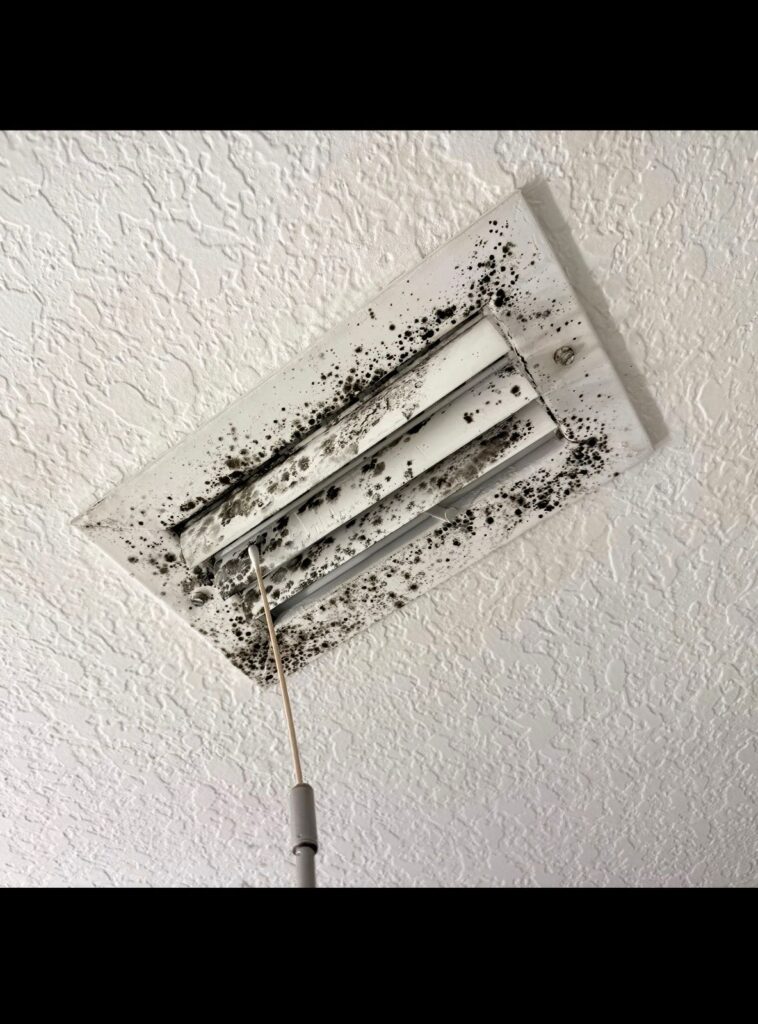
Practical Advice From Experts: Air Duct Mold Insights for Homes in Lauderhill
Let’s talk about the part of your house you almost never think about — your air ducts.
They hide in ceilings and walls. You don’t see them. You barely hear them. But in Lauderhill’s humidity, they can quietly turn into mold breeding zones if you’re not careful.
I’ve inspected plenty of homes here where everything looked spotless… until we checked the HVAC system. If you want real, practical advice about air duct mold in Lauderhill homes, you’re in the right place.
Why Air Duct Mold Happens So Often in Lauderhill
Lauderhill homes run AC almost year-round. Cool air moves through warm ductwork. That temperature difference creates condensation.
Condensation equals moisture. Moisture equals mold risk.
We commonly find air duct mold caused by:
- Clogged AC drain lines
- Dirty evaporator coils
- Poor duct insulation
- High indoor humidity above 60%
- Infrequent HVAC maintenance
Ever notice water droplets forming around your vents? That’s not normal wear and tear. That’s a moisture warning sign.
What Mold in Air Ducts Actually Does
Here’s the problem most homeowners don’t realize.
When mold grows inside ducts or air handlers, spores circulate through every room in your house. Your HVAC system becomes a distribution system.
That can lead to:
- Persistent musty odors
- Increased allergy symptoms
- Uneven air quality
- Recurring mold growth on nearby walls
IMO, HVAC-related mold spreads faster than visible wall mold because it rides your airflow daily.
If your AC smells musty when it kicks on, pay attention.
The Evaporator Coil: Ground Zero
The evaporator coil removes humidity from the air. It stays damp by design.
If dust and debris accumulate, moisture sticks to that buildup. Mold loves that environment.
During inspections in Lauderhill homes, we often see:
- Slime buildup on coil fins
- Standing water in drain pans
- Biofilm inside air handlers
Skipping annual AC maintenance almost guarantees problems eventually.
You don’t skip oil changes in your car, right? Same logic applies here.
Practical Advice: How to Prevent Air Duct Mold
Let’s keep this simple and actionable.
Here’s what we recommend for Lauderhill homeowners:
- Keep indoor humidity between 45–55%
- Service your HVAC system at least once per year
- Clean AC drain lines monthly
- Replace air filters regularly
- Inspect vents for condensation
These steps prevent most air duct mold issues before they start.
FYI, humidity control alone solves a surprising number of recurring mold complaints.
When Cleaning Isn’t Enough
Basic duct cleaning removes dust. It does not always remove mold.
If mold embeds inside duct insulation, cleaning may not solve the problem. In some cases, duct replacement becomes necessary.
Professional air duct mold remediation in Lauderhill includes:
- Containment of affected areas
- HEPA vacuum extraction
- Antimicrobial treatment
- Coil and drain pan cleaning
- Moisture source correction
Without correcting the moisture source, mold returns.
Shortcuts usually cost more later.
Signs You Might Have Air Duct Mold
You don’t need to climb into your attic to suspect a problem.
Watch for:
- Musty odor when AC runs
- Allergy symptoms that worsen indoors
- Visible dark buildup around vents
- Condensation near air registers
- Uneven cooling between rooms
If multiple signs show up together, schedule a professional inspection.
Guessing won’t fix airflow issues.
Real Inspection Example From Lauderhill
We recently inspected a Lauderhill home where the homeowner complained about mild congestion and a damp smell.
Walls looked clean. No visible mold anywhere.
We found:
- Indoor humidity at 64%
- Mold growth on evaporator coils
- Clogged AC drain line
- Damp insulation inside a return duct
After proper HVAC servicing and targeted remediation, air quality improved significantly.
The issue wasn’t visible. It lived inside the system.
Why DIY Sprays Don’t Work in Ducts
Some homeowners try antimicrobial foggers or sprays inside vents.
Here’s the problem.
If mold grows on coils or inside insulation, surface spraying won’t eliminate the root issue. Moisture and organic debris remain.
Professional remediation addresses:
- Internal contamination
- Airflow balance
- Drainage issues
- Humidity control
Spraying chemicals without fixing moisture equals temporary relief.
You deserve a long-term solution, not a band-aid.
The Role of Humidity in Lauderhill Homes
Lauderhill’s climate makes humidity management critical.
Even if you don’t see visible mold, high humidity alone increases risk inside ducts.
Install a hygrometer. Monitor levels. Adjust settings or add dehumidification if needed.
Simple awareness prevents expensive repairs.
IMO, most duct mold problems start with humidity that homeowners never measured.
Final Thoughts: Your Ducts Deserve Attention
Air ducts hide out of sight, but they influence your entire home’s air quality.
In Lauderhill, moisture control and HVAC maintenance protect you from recurring air duct mold issues. Early inspection saves money and protects indoor air.
If your AC smells musty or allergy symptoms linger, don’t ignore it. Check the system. Measure humidity. Take action.
Because clean air shouldn’t feel like a gamble.
