
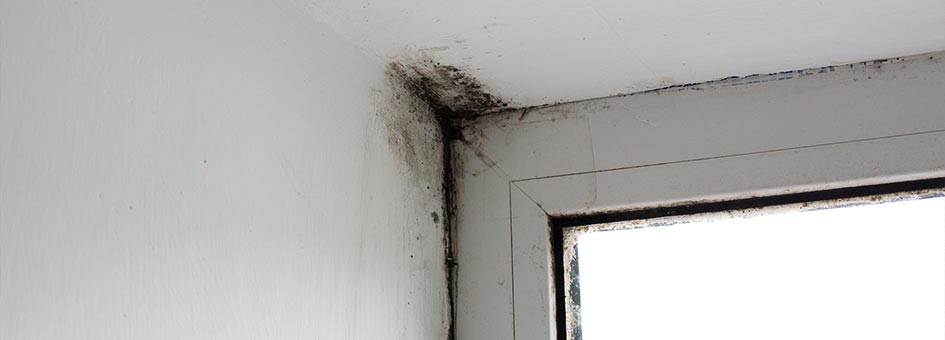
Long-term mold exposure doesn’t usually hit like a lightning bolt. In Weston, it shows up quietly—fatigue that never quite lifts, allergies that don’t respond the way they used to, or headaches that only seem to happen at home. Most homeowners don’t connect those dots right away. From what we see during real inspections, that delay is where both health issues and costs start to stack up.
This article breaks down the health effects of long-term mold exposure, using lessons from real inspections for homes in Weston. No fear tactics. No exaggerated medical claims. Just patterns we see repeatedly, what they mean, and why ignoring ongoing exposure rarely works out well.
Why Long-Term Mold Exposure Gets Missed in Weston Homes
Living in Weston means humidity, sealed homes, and air conditioning running almost nonstop. Those conditions make low-level mold exposure surprisingly easy to live with—at least at first.
Most homeowners assume:
- Mold would cause immediate, obvious illness
- Symptoms would be severe if mold were the issue
- A clean-looking home can’t cause health problems
Real inspections tell a different story. Long-term exposure usually causes gradual, not dramatic, changes.
What “Long-Term Mold Exposure” Actually Means
Long-term exposure doesn’t mean constant visible mold. It means breathing low levels of spores or fragments over months or years.
From inspection data, long-term exposure often comes from:
- Hidden mold inside walls
- Mold inside HVAC systems
- Damp insulation or building materials
- Moisture that never fully dries
The exposure stays subtle, which is why it often goes unrecognized.
The Most Common Health Complaints We Hear
When homeowners describe symptoms during inspections, the same themes come up again and again.
Common complaints include:
- Chronic nasal congestion
- Sinus pressure that never clears
- Headaches that worsen indoors
- Fatigue at the end of the day
- Allergy symptoms year-round
These issues rarely feel urgent. They just don’t go away.
Why Symptoms Feel Mild but Persistent
Long-term mold exposure doesn’t usually overwhelm the body. It irritates it continuously.
That constant irritation can:
- Keep sinuses inflamed
- Trigger low-grade immune responses
- Disrupt sleep quality
- Reduce overall energy
Because symptoms stay mild, many homeowners normalize them instead of investigating.
The Location Pattern Most People Miss
One of the clearest clues we see during inspections is location-based symptoms.
Long-term mold exposure often shows this pattern:
- Symptoms worsen at home
- Symptoms improve when leaving the house
- Travel or vacations bring relief
- Symptoms return within days of coming back
When health complaints follow the house instead of the calendar, indoor exposure deserves attention.
HVAC Systems and Long-Term Exposure
HVAC systems play a major role in long-term exposure cases.
During inspections in Weston homes, we frequently find:
- Mold on evaporator coils
- Damp internal insulation
- Standing water in drain pans
- Spores distributed through supply vents
Once mold involves the HVAC system, exposure becomes continuous, not occasional.
Why Long-Term Exposure Often Gets Blamed on “Allergies”
Florida already has pollen, dust, and humidity. Mold exposure blends in easily.
Homeowners often assume:
- It’s just seasonal allergies
- Medication should handle it
- Everyone in Florida feels this way
From inspections, mold-related symptoms often don’t follow seasons. They stay steady all year.
The Role of Humidity in Ongoing Exposure
Humidity doesn’t just help mold grow—it keeps spores viable and airborne longer.
In Weston homes, we often measure:
- Elevated indoor humidity
- Moisture rebounding after AC cycles
- Damp closets and low-airflow areas
High humidity extends exposure by preventing mold from ever drying out.
Why Long-Term Exposure Can Affect Energy and Focus
We hear this more than people expect.
Homeowners often report:
- Mental fog at home
- Trouble concentrating indoors
- Feeling “wiped out” by evening
Long-term exposure doesn’t knock you down. It slowly drains you.
Mold Doesn’t Need to Be Visible to Affect Health
One of the most important inspection lessons: visible mold is not required.
In many long-term exposure cases:
- No visible mold exists
- No strong musty odors exist
- Growth stays hidden inside materials
Airborne spores don’t care whether you can see their source.
Mold Inspection: Where Health Questions Start Getting Answers
A professional mold inspection often becomes the turning point for homeowners with unexplained symptoms.
During inspections, professionals evaluate:
- Indoor humidity levels
- Moisture inside walls and ceilings
- HVAC system conditions
- Areas with past water intrusion
Once conditions get measured, symptom patterns usually make sense.
When Mold Testing Helps With Health Concerns
Not every situation requires mold testing, but testing becomes valuable when symptoms persist without visible clues.
Testing helps when:
- Health symptoms worsen indoors
- HVAC involvement is suspected
- Mold keeps returning after cleaning
- Documentation matters for doctors or employers
Testing confirms whether exposure is airborne instead of speculative.
Mold Removal vs. Mold Remediation and Health
This distinction matters more for health than appearance.
- Mold removal reduces existing contamination
- Mold remediation stops ongoing exposure
Health improvements usually happen after exposure stops, not just after cleaning.
Why DIY Cleaning Rarely Improves Long-Term Symptoms
DIY cleaning focuses on surfaces. Long-term exposure usually doesn’t come from surfaces.
DIY efforts often:
- Miss hidden mold
- Leave moisture active
- Disturb spores into the air
- Fail to address HVAC contamination
We often see symptoms continue—or worsen—after DIY attempts.
Why Weston Homes Show Repeat Exposure Patterns
Homes throughout Broward County face mold pressure, but Weston adds tightly sealed construction and steady AC use.
Inspection trends often reveal:
- Limited natural air exchange
- Moisture trapped inside walls
- HVAC systems that rarely fully dry
These conditions support long-term exposure if ignored.
Real Inspection Insight: “I Thought I Was Just Tired”
One Weston homeowner complained of fatigue and headaches for over a year. No visible mold. No strong odors. Inspection revealed elevated humidity, mold inside the HVAC system, and hidden growth behind a bathroom wall.
After remediation and moisture control, symptoms improved steadily over time. Nothing dramatic changed overnight—but the constant irritation stopped.
Why Long-Term Exposure Gets More Expensive Over Time
Health isn’t the only cost. Delay expands remediation scope.
Ignoring exposure often leads to:
- Larger affected areas
- HVAC system contamination
- Material replacement
- Higher remediation costs
Early inspections almost always reduce both health and financial impact.
Why Verification Matters for Health Outcomes
Post-remediation verification confirms exposure actually stopped.
Verification may include:
- Moisture measurements
- Visual confirmation
- Optional follow-up testing
Without verification, homeowners guess—and guessing rarely restores confidence.
How Often Homes With Ongoing Symptoms Should Be Checked
Homes with persistent health complaints deserve regular evaluation.
We recommend inspections:
- Annually
- After water damage
- When symptoms worsen indoors
- When mold returns after cleaning
Routine checks prevent long-term exposure from returning quietly.
Preventing Long-Term Mold Exposure
Prevention focuses on conditions, not constant cleaning.
Effective prevention includes:
- Managing indoor humidity
- Maintaining HVAC systems
- Fixing leaks immediately
- Using ventilation consistently
Consistency protects both the home and the people inside it.
Final Thoughts: Long-Term Exposure Is About Time, Not Drama
Long-term mold exposure in Weston homes doesn’t rely on horror stories to matter. It relies on time, moisture, and continuous exposure. Ignore it, and symptoms linger. Address it, and the body often recovers gradually.
The solution stays consistent: thorough mold inspection, targeted mold testing when appropriate, proper mold removal, and complete mold remediation focused on stopping exposure—not masking symptoms.
If you’ve felt “off” at home for months and can’t explain why, don’t assume it’s just life or age or Florida weather. From what we see inside homes, long-term mold exposure often hides in plain sight—and it’s almost always fixable once someone looks in the right places.
