
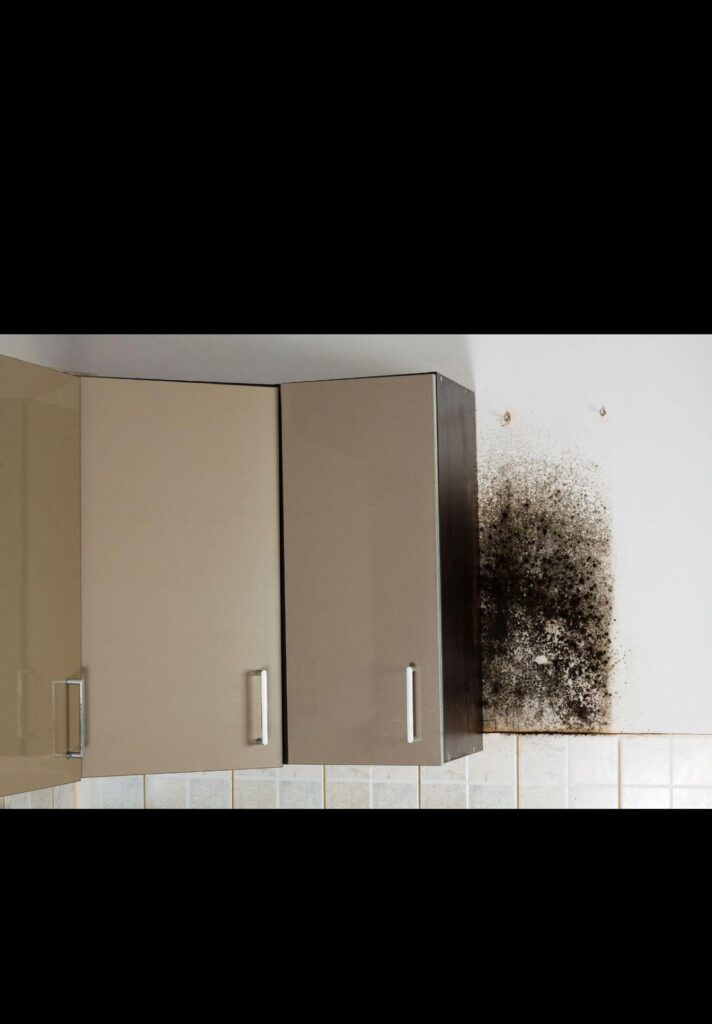
What We See Inside Homes: Black Mold Insights for Homes in Fort LauderdaleBlack mold is one of the most frequent discoveries during inspections in Fort Lauderdale homes, and it rarely looks the way homeowners expect. People often imagine obvious black patches spreading across walls, but what inspections actually reveal is much quieter and far more hidden. In many cases, black mold has been growing for months while the home looks clean, updated, and well maintained.Fort Lauderdale’s environment creates constant moisture pressure. High humidity, heavy rain, warm temperatures, and year-round air conditioning allow moisture to enter homes and remain trapped. Black mold doesn’t need flooding or major water damage. It grows where moisture lingers just long enough and materials provide a food source, which is why it’s often found in places no one checks.Behind drywall is one of the most common locations where black mold is discovered. Small roof leaks, window intrusion, or plumbing issues inside walls can keep drywall and insulation damp without staining the surface. During inspections, walls that appear perfectly normal on the outside are opened to reveal widespread mold growth on paper backing and framing. The visible surface hides the problem until damage or odors finally break through.Under-sink cabinets are another major finding. Slow plumbing leaks or condensation around pipes don’t always create puddles. Instead, moisture slowly soaks into cabinet bases and the wall behind them. Inspectors regularly find black mold growing behind stored items in cabinets that looked fine from the outside. Warped wood, soft particleboard, and persistent damp smells are common clues.Bathrooms hide black mold exceptionally well. Mold often grows behind shower walls, under tubs, or above bathroom ceilings where steam builds up. Even when tile and grout are kept clean, moisture can migrate behind surfaces through small gaps. Without effective ventilation, these spaces stay damp long after showers end. Inspections in Fort Lauderdale frequently uncover black mold behind bathroom walls while visible surfaces look spotless.Closets are another overlooked area. Poor airflow and warm temperatures allow moisture to accumulate, especially on exterior walls or walls shared with bathrooms. Black mold often starts behind clothing, boxes, or furniture where air doesn’t circulate. Because closets aren’t inspected closely, mold can remain active for long periods without detection.HVAC systems are one of the most serious sources of black mold found inside Fort Lauderdale homes. Condensation inside air handlers, drain pan issues, and moisture inside ductwork create ideal conditions for mold growth. Once mold develops inside the system, spores are distributed throughout the home every time the AC runs. This often explains whole-house issues like persistent odors, allergy symptoms, or irritation that don’t seem tied to one room.Odors are often the first sign something is wrong. A musty or earthy smell that comes and goes, especially when the AC turns on or after rain, is a strong indicator of microbial growth. Inspections frequently trace these odors back to hidden black mold inside walls, cabinets, or HVAC components. Masking the smell doesn’t stop the growth—it only delays discovery while mold continues spreading.Health symptoms usually appear gradually. During inspections, common complaints include sneezing, coughing, congestion, headaches, fatigue, and irritation that feel worse indoors and improve when leaving the house. Because these symptoms develop slowly, they’re often blamed on allergies or stress. What inspections reveal is that long-term exposure to hidden black mold is often the missing factor.Another consistent finding is black mold returning after cleaning. Many homes show evidence of repeated surface cleaning, spraying, or painting. Inspectors frequently find active mold behind freshly painted walls or new cabinets installed over damp materials. Surface treatments don’t remove mold growing inside materials or correct the moisture feeding it, so the problem keeps coming back.Moisture control is always at the center of the issue. In Fort Lauderdale homes, black mold almost always traces back to unresolved leaks, condensation problems, or high indoor humidity. Even small moisture issues can keep materials damp enough for mold to survive. Inspections consistently show that without fixing moisture, mold remediation doesn’t last.Timing makes a major difference. Black mold spreads the longer it’s ignored. It grows toward moisture and into surrounding materials. What starts in a small hidden area can expand into walls, ceilings, flooring, and HVAC systems. Inspectors regularly see cases where early action could have limited damage, but delays turned a manageable issue into a large remediation project.Another pattern seen inside homes is repeated mold growth in the same locations. This almost always means the original moisture source was never fully corrected. Without addressing leaks, airflow problems, or humidity levels, black mold returns no matter how often it’s cleaned.What inspections inside Fort Lauderdale homes consistently show is simple: black mold problems rarely start big. They begin quietly, fed by moisture that didn’t seem urgent at the time. Some of the most extensive mold issues are found in homes that look the best on the surface.Black mold doesn’t need fear tactics to be taken seriously. The real risk comes from hidden growth, long-term exposure, and moisture that’s allowed to persist. Understanding where black mold hides and why it grows allows homeowners to respond calmly and effectively.Inside homes, the lesson is always the same. Paying attention to subtle signs—recurring odors, humidity issues, or unexplained health symptoms—helps catch black mold before it spreads. Inspections make it clear that addressing moisture early protects indoor air quality, limits repair costs, and prevents black mold from becoming a long-term problem.
