
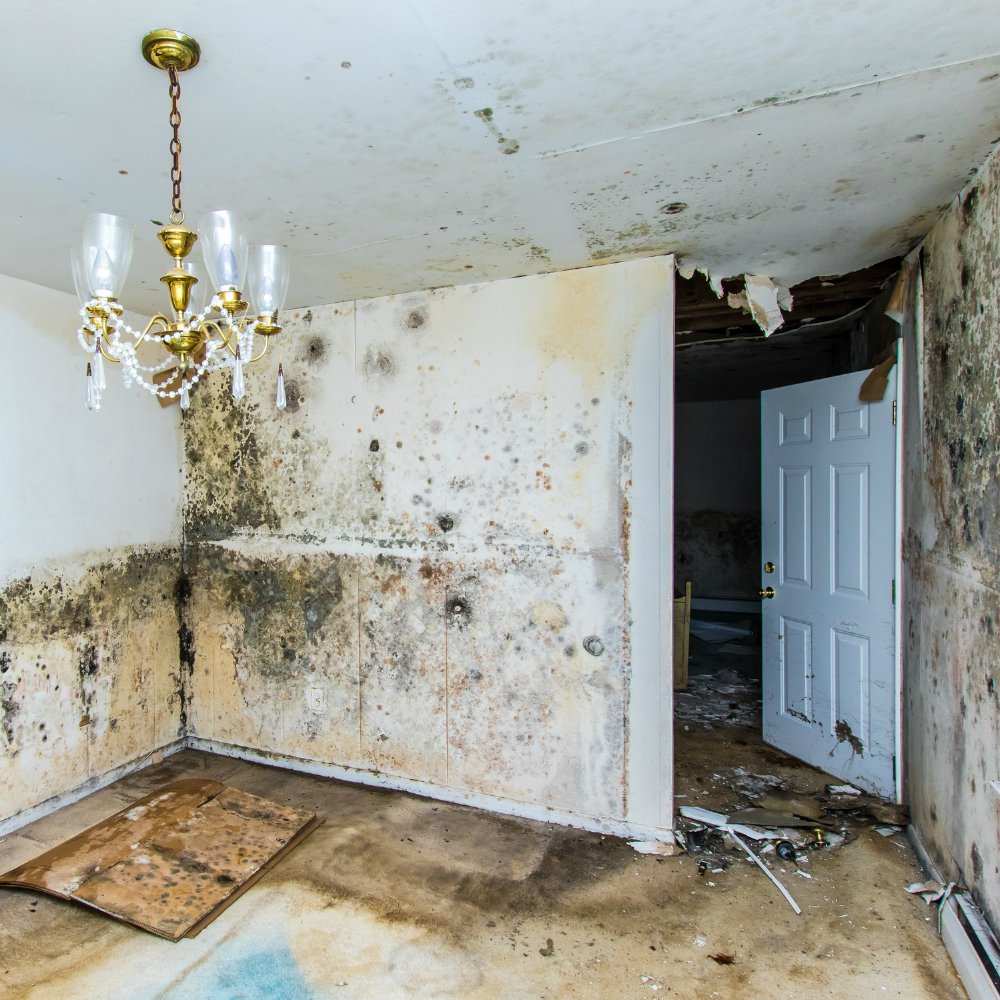
Mold doesn’t grow in Florida homes because people don’t clean enough. That idea refuses to die, but inspections say otherwise. In Lauderhill, we walk into plenty of spotless homes with serious mold conditions hiding behind walls, inside HVAC systems, or under cabinets. The problem isn’t effort. It’s environment, moisture, and a few details most homeowners never get warned about.
This guide explains why mold grows in Florida homes, with practical, expert advice for homes in Lauderhill. No scare tactics. No technical lectures. Just what professionals actually see, why it happens, and what homeowners can realistically do to stay ahead of it.
Why Mold Is So Common in Lauderhill Homes
Living in Lauderhill means heat, humidity, and air conditioning running almost nonstop. Homes stay closed up to keep cool, which changes how moisture behaves indoors.
Most homeowners assume:
- Mold only grows after leaks or floods
- Newer or well-kept homes don’t have mold issues
- If there’s no smell, there’s no mold
From real inspections, those assumptions cause more mold problems than neglect ever does.
The Three Things Mold Always Needs
Mold growth follows simple rules. There’s no mystery science behind it.
Mold needs:
- Moisture
- A surface to grow on
- Time
Florida provides all three almost constantly. Mold spores already exist everywhere. The only question is whether moisture sticks around long enough for them to activate.
Humidity: The Real Reason Mold Thrives in Florida
Humidity does more than make homes uncomfortable. It prevents materials from fully drying.
In Lauderhill homes, we frequently measure:
- Indoor humidity above recommended levels
- Moisture lingering in closets and corners
- Condensation forming near vents and air handlers
When humidity stays elevated, mold doesn’t need a leak to grow. It just needs patience.
Why Air Conditioning Doesn’t Automatically Prevent Mold
This surprises a lot of homeowners. AC cools air quickly, but that doesn’t guarantee proper moisture removal.
Inspection patterns often show:
- Short AC cycles that cool fast
- Limited dehumidification
- Damp HVAC components
- Homes that feel cool but stay humid
Cooling and drying aren’t the same thing, especially in sealed Florida homes.
Where Mold Actually Starts Growing
Mold rarely starts where people look first. It prefers quiet, low-airflow spaces.
From real inspections, early growth often appears:
- Behind drywall
- Under cabinets and vanities
- Inside closets
- Inside HVAC systems
- Near plumbing penetrations
By the time mold becomes visible, it usually grew out of sight for weeks or months.
Why Lauderhill Homes Face Consistent Mold Pressure
Homes across Broward County face mold risk, but Lauderhill adds some common contributing factors.
Inspection trends often reveal:
- Aging plumbing behind walls
- Flat or low-slope roof sections
- Window and door intrusion after storms
- HVAC systems that never fully dry
None of these issues feel dramatic. All of them quietly support mold growth.
Small Water Issues That Turn Into Mold Problems
Most mold problems don’t start with disasters. They start with water that doesn’t fully leave.
We regularly trace mold growth back to:
- Slow plumbing leaks
- AC drain backups
- Minor roof intrusion
- Bathroom moisture without ventilation
Small moisture plus time beats big spills every time.
Why Mold Often Feels Like It Appears “Out of Nowhere”
Homeowners frequently say mold showed up suddenly. Inspection timelines usually tell a different story.
What actually happens:
- Moisture stays hidden
- Mold grows inside materials
- Odors appear intermittently
- Growth finally reaches the surface
Mold didn’t arrive overnight. It just became visible.
HVAC Systems: Mold’s Favorite Shortcut
HVAC systems don’t create mold, but they help it spread once moisture enters the system.
During inspections, we often find:
- Mold on evaporator coils
- Damp insulation inside air handlers
- Standing water in drain pans
- Spores exiting supply vents
Once HVAC systems get involved, mold exposure becomes a whole-home issue.
Why Cleaning Alone Doesn’t Stop Mold
Cleaning helps surfaces. Mold usually isn’t a surface problem.
Cleaning does not address:
- Moisture inside walls
- Damp HVAC components
- Mold roots inside materials
- Airborne spore circulation
That’s why mold often returns after DIY cleaning, even when homeowners do everything “right.”
Mold Inspection: How Experts Identify the Real Cause
A professional mold inspection focuses on conditions, not just stains or spots.
During inspections, professionals evaluate:
- Indoor humidity levels
- Moisture inside walls and ceilings
- HVAC system conditions
- Areas with past water intrusion
Once moisture patterns get identified, mold growth almost always makes sense.
When Mold Testing Is Actually Useful
Not every situation needs mold testing, but testing helps when something doesn’t add up.
Testing becomes useful when:
- Odors persist without visible mold
- Health symptoms worsen indoors
- Mold keeps returning after cleaning
- Documentation matters
Testing confirms airborne exposure instead of guessing.
Mold Removal vs. Mold Remediation: Why the Difference Matters
This distinction is critical in Florida homes.
- Mold removal eliminates existing growth
- Mold remediation fixes moisture and prevents regrowth
Removing mold without addressing humidity almost guarantees it comes back.
Practical Expert Advice: What Actually Helps
Experts focus on controlling conditions, not chasing symptoms.
Practical steps that make a real difference:
- Keep indoor humidity within recommended ranges
- Ensure HVAC drain lines stay clear
- Use bathroom and kitchen ventilation consistently
- Fix leaks immediately—even small ones
- Schedule routine HVAC inspections
Consistency beats aggressive cleaning every time.
Why Ignoring Mold Conditions Gets Expensive
Mold doesn’t stabilize on its own. It grows until conditions change.
Delays often lead to:
- Larger affected areas
- HVAC contamination
- Material replacement
- Higher remediation costs
Early action almost always keeps remediation smaller and more affordable.
Real Inspection Insight: “We Never Had a Leak”
One Lauderhill homeowner insisted no water damage ever occurred. Inspection revealed elevated humidity, condensation near vents, and mold growth inside the HVAC system.
Correcting humidity and HVAC moisture stopped further growth. No flood was ever involved.
Why Verification Matters After Remediation
Post-remediation verification confirms conditions actually changed.
Verification may include:
- Moisture measurements
- Visual confirmation
- Optional follow-up testing
Skipping verification leaves homeowners guessing—and sometimes paying twice.
How Often Lauderhill Homes Should Be Evaluated
Florida homes benefit from routine checks.
Experts recommend inspections:
- Annually
- After plumbing or roof issues
- When odors appear
- If air quality feels off
Early evaluation keeps problems manageable.
Preventing Mold Growth Long-Term
Prevention focuses on awareness and follow-through.
Effective prevention includes:
- Managing indoor humidity year-round
- Maintaining HVAC systems
- Addressing small moisture issues immediately
- Using ventilation properly
Small habits prevent big remediation projects.
Final Thoughts: Mold Grows Because Conditions Allow It
Mold grows in Lauderhill homes because Florida creates ideal conditions—humidity, warmth, and limited drying time. It’s not about cleanliness or neglect. It’s about physics and climate.
The solution stays consistent: thorough mold inspection, targeted mold testing when appropriate, proper mold removal, and complete mold remediation focused on moisture control. Address conditions early, and mold rarely becomes a serious problem.
If your home feels damp, smells musty, or never quite dries out, don’t brush it off as normal Florida living. From what experts see inside homes, that’s usually the first sign mold-friendly conditions already exist—and catching it early is always the smarter move.
