
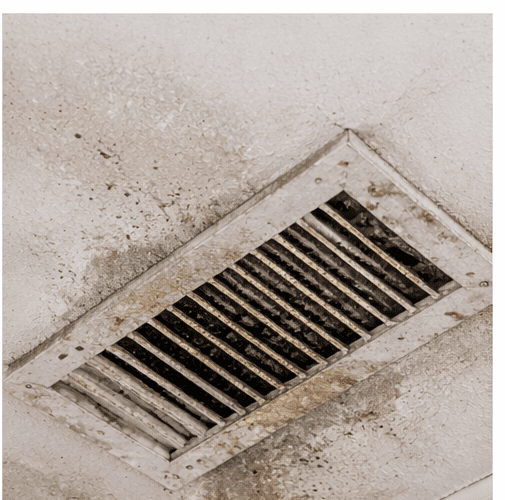
Facts vs Common Myths: Air Duct Mold Insights for Homes in Fort Lauderdale
If you own a home in Fort Lauderdale, chances are you’ve heard a scary story or two about mold hiding inside air ducts. Maybe a neighbor swears duct mold is “inevitable in Florida,” or an online forum claims one speck of mold means your entire HVAC system is doomed. With South Florida’s humidity, it’s easy to believe the worst—but not everything you hear about air duct mold is true.
Let’s separate facts from common myths so you can make smart, informed decisions about your home, your air quality, and your wallet.
Why Air Duct Mold Is a Real Concern in Fort Lauderdale
Fort Lauderdale’s warm temperatures, high humidity, and frequent rain create an ideal environment for mold growth. Air ducts can become vulnerable when moisture enters the system through:
- High indoor humidity
- Condensation on duct surfaces
- Poor insulation
- Leaks in ductwork
- Water damage from roof or plumbing issues
When moisture lingers, mold can grow—especially in dark, dusty duct interiors.
That’s the reality. Now let’s talk about what isn’t.
Myth #1: All Mold in Air Ducts Is Dangerous
Myth: Any mold found in your air ducts is toxic and immediately harmful.
Fact: Not all mold is toxic, and not all mold poses the same level of risk.
There are thousands of mold species. Some are relatively harmless, while others can trigger allergies or respiratory symptoms in sensitive individuals. The presence of mold doesn’t automatically mean your home is unsafe—but it does mean the situation should be evaluated properly.
The real concern is active mold growth combined with airflow, which can distribute spores throughout your home.
Myth #2: Mold in Ducts Always Means the HVAC System Is Ruined
Myth: If there’s mold in your ducts, you need to replace the entire HVAC system.
Fact: In many cases, mold can be safely removed without replacing the system.
Most duct mold issues are related to localized moisture problems, not total system failure. Professional inspection can determine whether cleaning, sealing, insulation improvement, or targeted remediation is enough.
Full replacement is usually a last resort—not the default solution.
Myth #3: You Can Always See or Smell Air Duct Mold
Myth: If you don’t see mold or smell something musty, your ducts are clean.
Fact: Mold in air ducts often grows out of sight and without strong odors.
Ductwork is hidden behind walls, ceilings, and floors. Mold can grow internally without producing a noticeable smell, especially in early stages. That’s why visual inspection of vents alone isn’t reliable.
Many Fort Lauderdale homeowners only discover duct mold after:
- Allergy symptoms worsen
- HVAC efficiency drops
- Moisture issues appear elsewhere
Myth #4: Air Duct Mold Means Your Home Is Dirty
Myth: Moldy ducts are a sign of poor housekeeping.
Fact: Mold growth is about moisture, not cleanliness.
You can have a spotless home and still experience duct mold. Dust can contribute, but moisture is the real trigger. Florida homes with good cleaning habits still face mold risks due to humidity and condensation.
This is a building science issue—not a hygiene issue.
Fact #1: Moisture Control Is the Key to Preventing Duct Mold
No matter how often ducts are cleaned, mold will return if moisture is not addressed. In Fort Lauderdale homes, common moisture sources include:
- Poorly insulated ducts in attics
- High indoor humidity levels
- AC systems oversized for the home
- Leaky duct joints pulling in humid air
Effective mold prevention focuses on humidity control, proper insulation, and sealing, not just cleaning.
Myth #5: DIY Cleaning Solves Air Duct Mold
Myth: Household cleaners or sprays can eliminate duct mold.
Fact: DIY methods rarely address the root problem and can make things worse.
Spraying cleaners into vents does not remove mold from deep inside ductwork. It can also:
- Spread spores further
- Damage duct materials
- Create excess moisture
Professional remediation uses controlled methods designed for HVAC systems—not surface cleaning tricks.
Fact #2: Air Duct Mold Can Affect Indoor Air Quality
While not all mold is dangerous, active mold in air ducts can impact indoor air quality, especially for:
- Children
- Elderly individuals
- People with asthma or allergies
- Those with compromised immune systems
When air passes through contaminated ducts, spores can circulate throughout the home, aggravating symptoms even if mold is not visible.
Myth #6: Mold Only Grows in Old Homes
Myth: Newer Fort Lauderdale homes don’t get duct mold.
Fact: New homes can be just as vulnerable—sometimes more so.
Modern construction often focuses on energy efficiency, which can trap moisture if ventilation is inadequate. Poor HVAC design or rushed installation can create condensation issues even in brand-new homes.
Age doesn’t protect against humidity.
Fact #3: Condensation Is a Major Mold Trigger
One of the most overlooked causes of air duct mold is condensation. When cold air moves through poorly insulated ducts in hot, humid spaces like attics, moisture forms on duct surfaces.
Over time, that moisture feeds mold growth.
This is especially common in South Florida homes where attic temperatures soar year-round.
Myth #7: If You Clean Once, You’ll Never Have Mold Again
Myth: One professional cleaning permanently solves duct mold.
Fact: Cleaning without prevention leads to recurrence.
Professional cleaning removes existing mold, but prevention requires system improvements, such as:
- Better duct insulation
- Sealing leaks
- Managing indoor humidity
- Correcting HVAC sizing issues
Think of cleaning as treatment—not a cure.
Fact #4: Testing Matters More Than Guessing
Guessing whether you have mold—or what kind—is risky. Proper inspection and testing help determine:
- Whether mold is active
- The type of mold present
- The extent of contamination
- The appropriate remediation approach
This avoids unnecessary work and prevents under-treating real problems.
Myth #8: Mold in Ducts Is Always Caused by Flooding
Myth: If there hasn’t been water damage, mold can’t be in ducts.
Fact: Most duct mold in Fort Lauderdale homes develops without flooding.
High humidity alone is enough. Condensation and air leaks are far more common causes than major water events.
Flooding increases risk—but it’s not required.
Fact #5: Prevention Is Often Cheaper Than Remediation
Catching moisture issues early can save thousands. Preventive steps may include:
- Installing a dehumidifier
- Improving duct insulation
- Sealing duct connections
- Regular HVAC inspections
Prevention is far less disruptive—and far less expensive—than full remediation after mold spreads.
Myth #9: All Air Duct Mold Problems Require the Same Solution
Myth: There’s one standard fix for duct mold.
Fact: Every home’s HVAC system and moisture profile is different.
Effective solutions depend on:
- Duct material
- Location of mold
- Moisture source
- Home layout
- HVAC design
Cookie-cutter solutions often fail.
The Bottom Line for Fort Lauderdale Homeowners
Air duct mold is a real issue in Fort Lauderdale—but panic and misinformation don’t help. Understanding the difference between facts and myths allows you to respond calmly, correctly, and cost-effectively.
Mold doesn’t automatically mean danger. It doesn’t mean your home is dirty. And it doesn’t mean your HVAC system is ruined. What it does mean is that moisture needs attention—and that attention should be informed, not fear-based.
A Smarter Way Forward
If you suspect air duct mold in your Fort Lauderdale home, the smartest step is a proper inspection focused on moisture, airflow, and prevention. Clear information leads to clear solutions—and peace of mind.
