
A Homeowner’s Guide: HVAC Mold Insights for Homes in
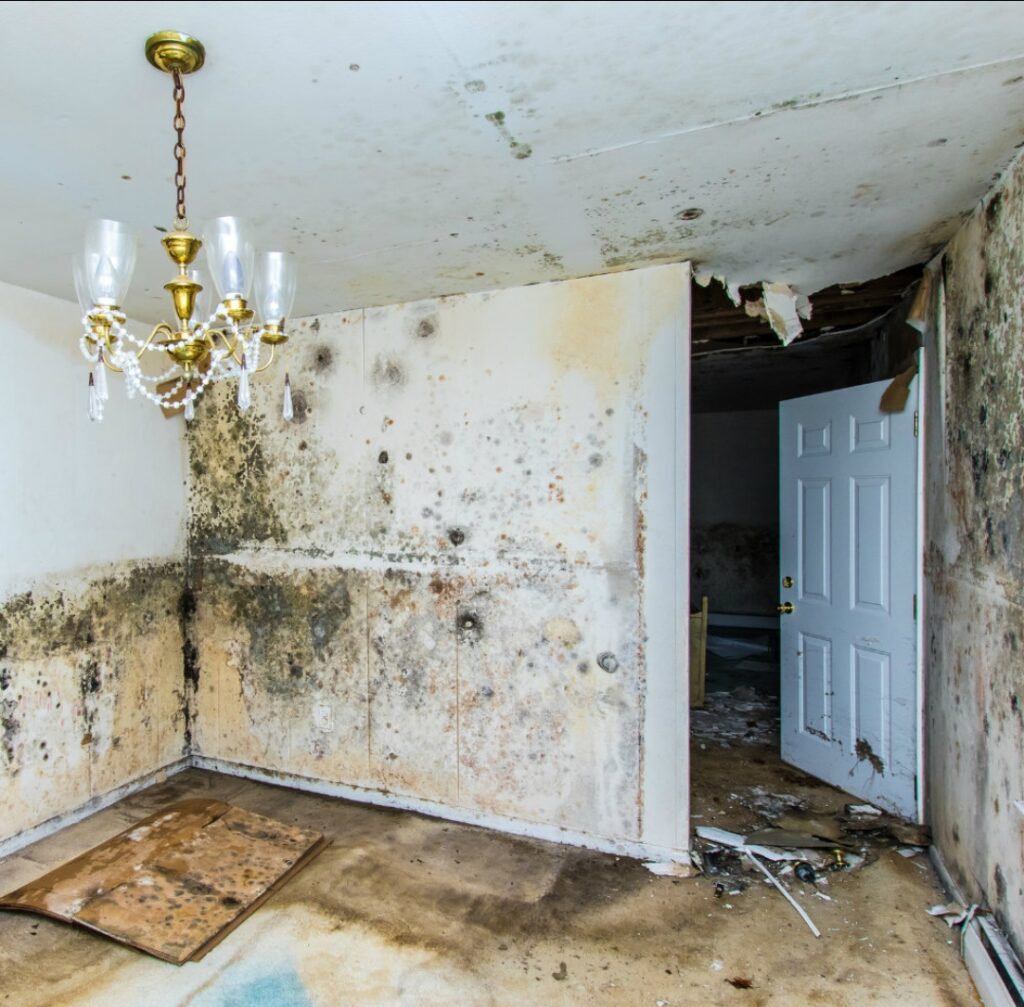
Let’s talk HVAC mold—because if you live in Sunrise and run your AC most of the year (who doesn’t?), this topic matters more than people realize. Homeowners often think mold shows up on walls first, but real inspections tell a different story. HVAC systems quietly become mold headquarters long before anything shows up in plain sight, and that’s where most problems actually start.
We’ve inspected plenty of homes where everything looked spotless, yet the air handler told a completely different story. And once mold gets comfortable in your HVAC system, it doesn’t stay put. It spreads. Fast.
Why HVAC Systems Attract Mold Like a Magnet
Here’s the simple version. HVAC systems create condensation. Condensation creates moisture. Moisture invites mold. That’s not theory—that’s physics doing its thing.
In Sunrise homes, we frequently find mold growing in:
- Air handlers and evaporator coils
- Drain pans with standing water
- Internal insulation that never fully dries
Your HVAC system runs constantly, stays dark, and holds moisture. Mold basically sees it as luxury housing.
Condensation Isn’t the Enemy—Lingering Moisture Is
People hear “condensation” and panic. Relax—condensation itself is normal. The problem starts when it doesn’t drain or dry properly.
During inspections, we often document:
- Clogged AC drain lines
- Overflowing drain pans
- Damp AC closets
When water hangs around longer than it should, mold wastes zero time moving in.
How Mold Uses Your HVAC to Travel
This is where things get sneaky. Mold spores are tiny. Airflow moves them easily. When mold grows inside your HVAC system, every cooling cycle spreads spores through ducts like free delivery.
We see this pattern constantly:
- Mold appears in multiple rooms
- Odors move through the house
- Cleaning one spot never solves the issue
That’s not coincidence—that’s airflow doing exactly what it’s designed to do.
Ductwork: Not as Clean as You Think
Out of sight doesn’t mean clean. Dust builds up inside ducts, and dust holds moisture. Add Sunrise humidity, and you’ve got the perfect setup.
We often find:
- Mold near supply vents
- Damp insulation inside ducts
- Growth around poorly sealed duct joints
Once spores enter the duct system, they don’t politely stay in one room.
Why DIY Cleaning Doesn’t Work (Sorry)
Scrubbing vents feels productive. We get it. But real inspection data shows surface cleaning doesn’t touch HVAC mold.
Here’s the usual cycle:
- Homeowner cleans visible mold
- HVAC keeps circulating spores
- Mold returns—sometimes worse
IMO, this is why people feel like mold “never goes away.” The source never got addressed. :/
Humidity Makes HVAC Mold Worse
High humidity doesn’t just help mold grow—it helps it spread. Moist air keeps spores airborne longer, which means they travel farther through your HVAC system.
In Sunrise homes, we regularly measure:
- Indoor humidity above recommended levels
- Condensation on vents
- Air that feels damp even when cool
When humidity stays high, HVAC mold problems don’t stay contained.
Early Signs Homeowners Miss
HVAC mold doesn’t announce itself with flashing lights. It creeps in quietly, and homeowners usually notice symptoms before they see anything.
Watch for:
- Musty smells when the AC turns on
- Mold popping up in different areas
- Allergy-like irritation indoors
If that sounds familiar, your HVAC system deserves attention.
What Actually Stops HVAC Mold
Here’s the good news: HVAC mold problems are very fixable when you address the right things.
Effective solutions focus on:
- Fixing condensation and drainage issues
- Managing indoor humidity
- Inspecting and treating HVAC components
- Improving airflow
When moisture disappears, mold packs its bags.
Why Professional Inspections Matter
Guesswork wastes time and money. Inspections give answers. We inspect HVAC systems specifically because that’s where mold loves to hide.
A proper inspection helps:
- Identify hidden mold sources
- Stop system-wide spread
- Prevent repeat growth
That saves homeowners frustration—and repeat cleanup costs.
Final Thoughts
HVAC mold isn’t rare in Sunrise homes—it’s common. The difference between ongoing problems and long-term solutions comes down to understanding how mold actually behaves.
Homes in deal with humidity year-round, so ignoring HVAC systems simply gives mold the advantage.
