
What We See Inside Homes: HVAC Mold Insights for Homes in Sunrise
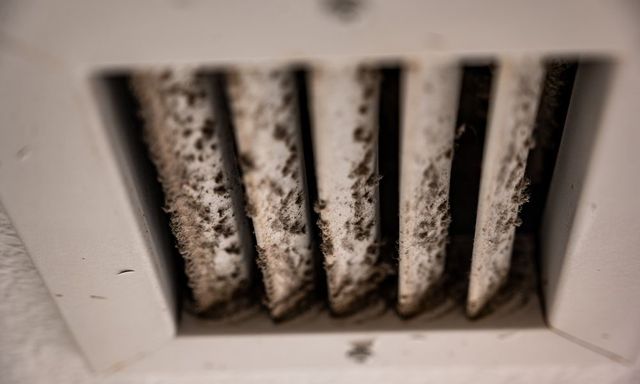
Let me tell you something we see all the time inside homes in Sunrise.
The house looks spotless. Fresh paint. Clean floors. No visible mold anywhere.
Then we open the air handler closet.
Completely different story.
If you’ve ever noticed a musty smell when the AC kicks on and thought, “Maybe it’s just humidity,” you’re not crazy. But you’re also probably not right.
Let’s talk about what’s actually happening inside HVAC systems.
First: Your HVAC System Naturally Creates Moisture
Here’s the simple science.
When warm Florida air passes over cold evaporator coils, condensation forms.
That water drains through a condensate line.
If everything drains properly, no issue.
If it doesn’t? Moisture builds inside the system.
Moisture + dust + darkness = mold growth.
HVAC systems provide all three.
What We Commonly Find During Inspections
Inside Sunrise homes, we regularly discover:
- Clogged condensate drain lines
- Rusted or overflowing drain pans
- Mold growth on air handler insulation
- Condensation around supply vents
- Duct insulation breakdown in hot attics
Most homeowners never look inside the air handler.
Out of sight, out of mind — until air quality changes.
The 48-Hour Rule Applies Here Too
This rule matters everywhere in Florida.
Mold can begin forming within 24–48 hours if moisture remains present.
If drain lines clog or condensation sits in duct insulation, microbial growth can begin quickly.
Because your AC runs almost daily in Sunrise, airflow spreads spores efficiently once growth starts.
One contaminated compartment can affect the whole house.
Why Sunrise Homes Face Recurring HVAC Issues
Sunrise shares humidity patterns with nearby cities like Plantation and Lauderhill.
Common contributing factors include:
- Year-round humidity
- Heavy seasonal rain
- Tight home construction
- Continuous AC use
- Oversized HVAC systems
Oversized systems cool air fast but shut off before removing enough moisture.
Cool air doesn’t always mean dry air.
Humidity lingers in ductwork and inside walls.
Signs HVAC Mold May Be Present
During inspections, homeowners often mention:
- Musty smell when AC starts
- Increased indoor allergy symptoms
- Condensation around vents
- Frequent filter clogging
- Water near air handler closet
If symptoms improve when leaving the house, indoor air quality deserves evaluation.
Your HVAC system circulates everything in your air — good or bad.
Why Changing Filters Isn’t Enough
This one surprises people.
Filters capture airborne particles.
They do not:
- Eliminate condensation
- Clear clogged drain lines
- Fix insulation damage
- Reduce high indoor humidity
Filters support airflow. They don’t correct moisture problems.
If moisture remains active inside the system, mold can still grow.
What Proper HVAC Mold Inspection Includes
A thorough inspection involves:
- Moisture meter readings
- Drain line evaluation
- Air handler cabinet inspection
- Coil and drain pan assessment
- Ductwork evaluation in attic
- Humidity measurement
Air sampling sometimes confirms elevated spore levels when HVAC contamination exists.
Inspection identifies root causes before cleaning begins.
Why DIY Cleaning Often Fails
Spraying cleaner into vents doesn’t solve internal contamination.
We’ve opened systems after repeated DIY attempts and found active growth inside insulation.
Without:
- Containment
- HEPA filtration
- Moisture correction
- Removal of contaminated insulation
Regrowth often occurs.
Surface-level cleaning doesn’t address internal components.
How to Reduce HVAC Mold Risk in Sunrise
If you want to stay ahead of problems:
- Keep indoor humidity between 45–55%
- Schedule annual HVAC maintenance
- Clean condensate drain lines regularly
- Inspect attic duct insulation
- Address roof leaks quickly
- Pay attention to musty odors
Small maintenance habits prevent major remediation projects.
Always.
The Financial Pattern We See
Early HVAC maintenance usually involves:
- Drain line cleaning
- Minor coil cleaning
- Small insulation repairs
Delayed response often requires:
- Duct replacement
- Multi-room mold remediation
- Extended air filtration
- Higher energy bills
Because your HVAC system runs constantly, small moisture problems spread faster than most homeowners expect.
Final Thoughts: It’s Moisture Physics, Not Mystery
HVAC mold in Sunrise homes isn’t dramatic.
It’s condensation plus humidity plus time.
When you manage moisture properly and maintain your system consistently, you drastically reduce risk.
If your AC smells musty when it starts, don’t ignore it.
Inspect early. Correct moisture. Maintain regularly.
Because your HVAC system should deliver comfort — not circulate contamination.
