
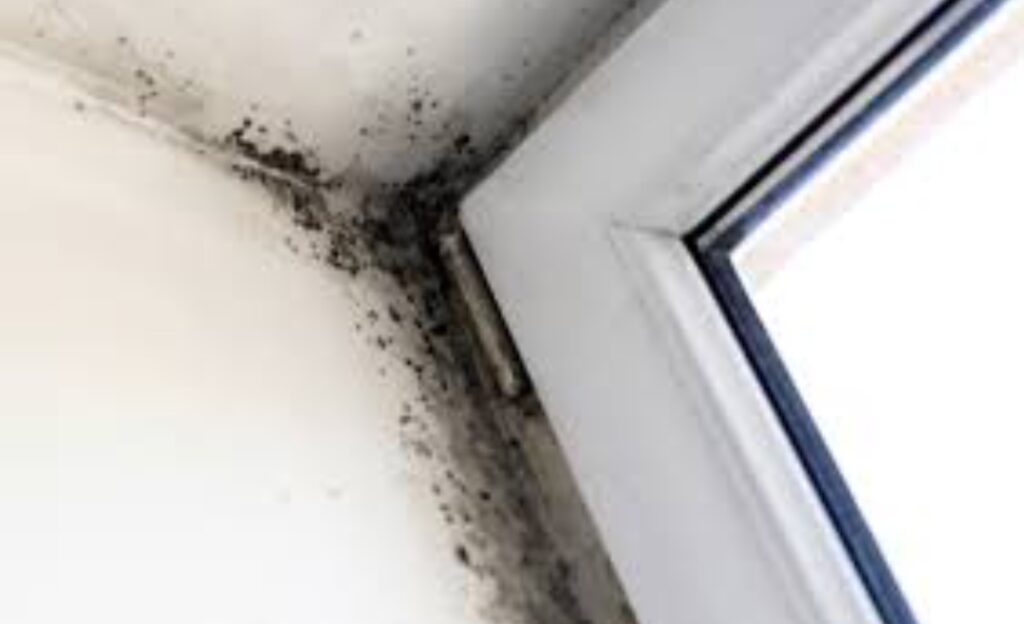
How Mold Spreads Through HVAC Systems – Facts vs Common Myths for Homes in
Let’s clear up the confusion around HVAC mold—because this topic gets wildly misunderstood. Homeowners in Fort Lauderdale hear all kinds of things: “Ducts don’t grow mold,” “If I clean the vent, I’m good,” or my personal favorite, “Mold can’t spread through air.” Spoiler alert: most of that is wrong. Real inspections tell a much simpler (and more annoying) truth.
If mold could talk, your HVAC system would be its favorite bragging point.
Myth: Mold Can’t Spread Through HVAC Systems
Fact: HVAC airflow is one of mold’s favorite travel methods
Mold spores are microscopic. Airflow moves them easily. When mold grows inside an HVAC system, every cooling cycle becomes a distribution system.
Inspection data in Fort Lauderdale homes shows:
- Mold appearing in multiple rooms at once
- Odors traveling through the house
- Growth returning even after surface cleaning
That doesn’t happen by accident. That’s airflow doing exactly what it’s designed to do.
Myth: Mold Only Grows on Walls
Fact: HVAC systems create perfect mold conditions
HVAC systems stay dark, cool, and damp—basically a five-star resort for mold. Condensation forms naturally on coils, and when drainage or airflow fails, moisture lingers.
We commonly find mold in:
- Air handlers and evaporator coils
- Drain pans with standing water
- Internal insulation inside HVAC units
Once mold starts there, it doesn’t stay contained.
Myth: Cleaning Vents Fixes HVAC Mold
Fact: Surface cleaning doesn’t touch the real problem
Cleaning vents feels productive. It looks productive. Unfortunately, inspections show it barely makes a dent.
After vent cleaning alone, we often still find:
- Mold inside air handlers
- Spores circulating through ducts
- Mold returning in the same areas
IMO, this is why homeowners feel stuck in a loop. The source never gets addressed.
Myth: Ductwork Is Always Dry
Fact: Ducts often hold moisture in Florida homes
Dust builds up inside ducts. Dust holds moisture. Add Fort Lauderdale humidity, and now you’ve got mold-friendly conditions.
Inspection findings often include:
- Mold near supply vents
- Damp duct insulation
- Condensation inside duct runs
Once spores enter the duct system, they spread fast.
Myth: Bleach or Sprays Kill HVAC Mold
Fact: Chemicals don’t fix moisture problems
Bleach may change color, but it doesn’t remove mold inside HVAC components or insulation. And it definitely doesn’t stop condensation.
Inspections after chemical use often reveal:
- Mold regrowth
- Moisture still present
- Spread to new areas
Mold doesn’t care about spray bottles. It cares about moisture.
Myth: If the AC Works, the System Is Fine
Fact: Cooling and dehumidifying aren’t the same thing
Oversized systems cool air quickly but shut off before removing enough moisture. This leaves HVAC components damp longer.
In Fort Lauderdale homes, we frequently measure:
- High indoor humidity
- Condensation on vents
- Mold growth despite “working” AC systems
Short cycling quietly fuels HVAC mold problems.
Myth: HVAC Mold Is Rare
Fact: It’s extremely common in South Florida
We see HVAC-related mold issues constantly. Not because homes are dirty—but because Florida’s climate works against them.
High humidity + constant AC use = repeated condensation. Mold just takes advantage.
What Actually Stops HVAC Mold From Spreading
Here’s the truth experts agree on:
- Control moisture
- Fix drainage issues
- Inspect HVAC components
- Manage indoor humidity
When moisture disappears, mold stops spreading. No drama required.
Why Inspections Beat Guessing Every Time
Inspections don’t assume—they confirm. We look inside the system, measure moisture, and identify conditions that allow mold to thrive.
A proper inspection helps:
- Find hidden HVAC mold
- Stop whole-house spread
- Prevent repeat growth
That’s how you get off the cleaning treadmill.
Final Thoughts
HVAC mold myths keep homeowners stuck doing the wrong things. The facts are simpler—and more effective.
Homes in deal with humidity year-round, so HVAC systems need real attention, not assumptions.
