
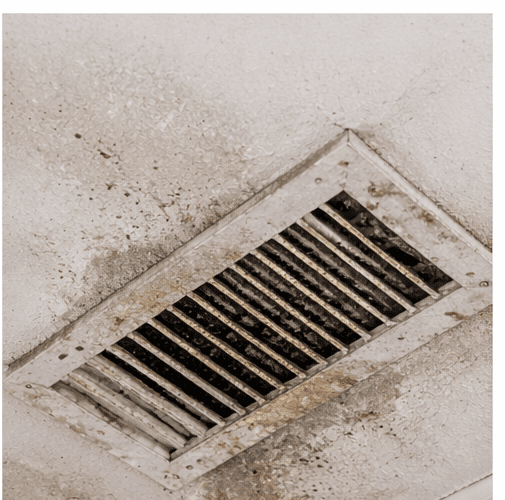
Why Ignoring It Costs More: Air Duct Mold Insights for Homes in
Let’s get real for a second. Air duct mold is one of those problems homeowners love to ignore—until it gets expensive. In Hollywood homes, we see this pattern constantly. Someone notices a smell, maybe a little dust blowing out of vents, shrugs it off, and moves on. That delay almost always turns a small duct issue into a much bigger (and pricier) problem.
We’ve inspected homes where fixing air duct mold early would’ve been simple. Instead, months—or years—passed, and suddenly the scope doubled. Mold doesn’t wait politely while homeowners decide.
Air Duct Mold Starts Small (Then Snowballs)
Air duct mold rarely announces itself. It starts quietly, usually because moisture sneaks into the duct system and doesn’t leave.
Common causes we see in Hollywood homes:
- High indoor humidity
- Condensation inside ductwork
- Leaks near air handlers
- Poor insulation around ducts
At first, mold stays localized. Ignore it, and airflow does the rest.
Why Air Duct Mold Spreads So Easily
Air ducts exist to move air. Unfortunately, they also move mold spores extremely well.
During inspections, we often see:
- Mold appearing in multiple rooms
- Odors traveling from vent to vent
- Growth reappearing after surface cleaning
Once mold enters the duct system, it stops being a “one-room issue.”
The Cost Difference: Early vs Late Action
This is where ignoring air duct mold really hurts. Early-stage issues usually involve limited areas and targeted fixes.
When homeowners wait, inspections often reveal:
- More contaminated duct sections
- Mold spreading into air handlers
- Secondary mold growth on walls or ceilings
The longer mold circulates, the more areas it touches—and the more expensive remediation becomes.
Why DIY Cleaning Makes Things Worse
We see this mistake constantly. Homeowners vacuum vents or spray cleaners into ducts, thinking they’re helping.
What inspections actually show afterward:
- Mold disturbed and spread further
- Spores released into living spaces
- Faster regrowth
IMO, DIY duct cleaning often adds fuel to the fire. 😬
Humidity Keeps the Bill Climbing
Hollywood’s humidity works against you here. Moist air keeps duct interiors damp longer and allows mold to thrive.
Inspection data often shows:
- Indoor humidity above safe levels
- Condensation forming repeatedly
- Duct insulation staying wet
If humidity isn’t controlled, duct mold doesn’t stay contained—and costs keep climbing.
Air Quality Takes a Hit (Quietly)
One of the hidden costs of ignoring air duct mold is declining indoor air quality. Spores circulate constantly, even when you don’t see growth.
Homeowners often report:
- Musty smells when AC runs
- Increased allergy-like irritation
- Air that feels stale
By the time symptoms become obvious, mold has usually spread further.
HVAC Systems Don’t Stay Untouched
Air duct mold rarely stays only in ducts. Over time, it spreads into:
- Air handlers
- Coils
- Drain pans
Once that happens, remediation becomes more involved—and more expensive.
What Experts Recommend Instead
Experts don’t recommend panic—they recommend timing.
Smart steps include:
- Inspecting ducts when odors appear
- Checking humidity levels
- Evaluating HVAC moisture issues
- Addressing mold early
Early action almost always costs less. Period.
Why Inspections Save Money
Inspections show exactly what’s affected and what isn’t. That prevents over-treatment and missed areas.
A professional inspection helps:
- Limit remediation scope
- Catch mold before it spreads
- Avoid repeat problems
Guessing usually costs more than inspecting.
Final Thoughts
Air duct mold isn’t just an air quality issue—it’s a money issue. The longer it circulates, the more damage it causes and the more it costs to fix.
Homes in deal with humidity year-round, so ignoring duct mold just gives it time to grow.
If you smell it, see it, or suspect it—waiting is the most expensive option.
