
The Science Explained Simply: Black Mold Insights for Homes in
Let’s talk about black mold—without the horror-movie soundtrack. Homeowners across Florida hear the words “black mold” and instantly imagine worst-case scenarios. Real inspections tell a calmer, more useful story. Black mold behaves like other molds: it needs moisture, time, and the right conditions. When you understand the science behind it, the fear fades and smart decisions take over.
I’ve walked into plenty of Florida homes where dark mold looked scary at first glance. Then we measured moisture, checked airflow, and traced humidity. Suddenly the mystery disappeared. Mold follows physics, not rumors.
What “Black Mold” Actually Means (Scientifically)
Here’s the science part—made simple. “Black mold” usually refers to molds that appear dark due to pigmentation. Color alone doesn’t define how a mold behaves.
What actually matters:
- Moisture availability
- Type of material it’s growing on
- How long conditions stayed damp
- Whether spores circulate through air
IMO, color gets too much attention. Conditions matter more.
Why Florida Homes See Black Mold So Often
Florida provides mold-friendly conditions almost year-round. Warm temperatures plus humidity equal long drying times.
Inspections commonly link black mold growth to:
- High indoor humidity
- Poor ventilation
- AC condensation issues
- Past water damage that never fully dried
Black mold doesn’t need floods. It needs persistence.
Where Black Mold Really Grows (Hint: Not Where You Look)
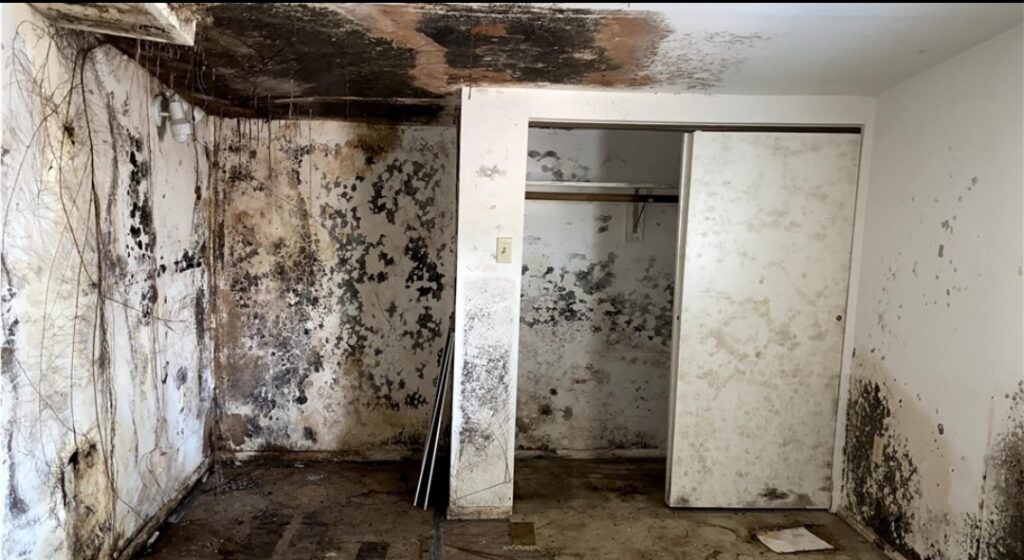
Visible growth usually tells only part of the story. Most black mold we find grows out of sight.
Common locations include:
- Behind bathroom and kitchen drywall
- Under sinks with slow leaks
- Inside HVAC air handlers
- Around duct insulation near vents
If you see a small patch, there’s often more hiding nearby.
Moisture Is the Only Thing Black Mold Cares About
This part surprises people. Black mold doesn’t chase dirt or neglect. It chases moisture.
Inspections consistently show growth where:
- Condensation forms repeatedly
- Materials stay damp
- Airflow remains limited
Remove moisture, and mold stops growing. Simple science.
Why Bleach Doesn’t Solve Black Mold
Bleach changes color. It doesn’t remove mold inside porous materials like drywall or wood.
After bleach use, inspections often reveal:
- Mold roots still active
- Regrowth in the same spot
- Moisture unchanged
FYI, if moisture stays, mold stays—no matter what chemical you spray.
HVAC Systems Help Black Mold Spread
When black mold grows near HVAC components, spores move easily.
We often see:
- Mold near evaporator coils
- Damp insulation inside air handlers
- Spores circulating through ductwork
That’s how small growth areas affect whole-house air quality.
Humidity Keeps Black Mold Alive
Florida humidity keeps materials damp longer and spores airborne longer.
Inspection readings frequently show:
- Indoor humidity above recommended levels
- Condensation on vents
- Air that feels damp even when cool
Without humidity control, black mold problems don’t stay small.
What the Science Says About Health Concerns
Here’s where fear tactics usually creep in. Real data shows most black mold situations involve chronic exposure and air quality issues, not instant emergencies.
The real risks involve:
- Long-term moisture exposure
- Poor indoor air circulation
- Ongoing spore presence
Addressing conditions early keeps problems manageable.
How Professionals Approach Black Mold
Science-based remediation focuses on:
- Identifying moisture sources
- Containing affected areas
- Removing impacted materials when necessary
- Stabilizing humidity and airflow
This approach works because it targets the cause—not just the symptom.
Why Inspections Matter More Than Guessing
Inspections replace fear with facts. Moisture detection, HVAC evaluation, and targeted inspection show exactly what’s happening.
A proper inspection helps:
- Confirm the scope of growth
- Avoid unnecessary demolition
- Prevent repeat problems
Guessing almost always costs more.
Final Thoughts
Black mold in Florida homes follows predictable rules. Moisture feeds it. Airflow spreads it. Remove moisture, and mold loses its power.
Homes across deal with humidity daily, so understanding the science beats panicking every time.
If you’re worried about black mold, trust physics—not fear.
