
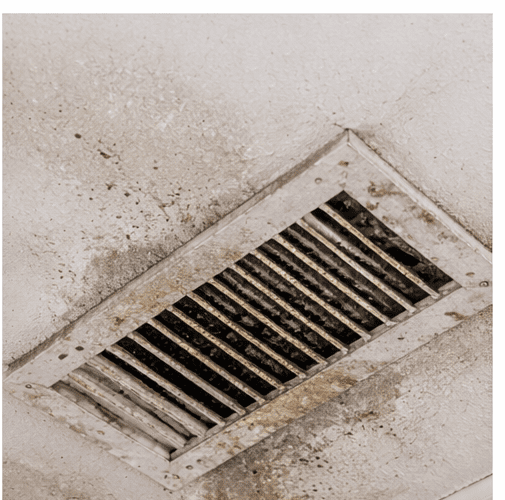
Real Risks, Not Fear Tactics: Air Duct Mold Insights for Homes in
Let’s talk air duct mold without the scare stories. Homeowners in Miramar hear “mold in the ducts” and instantly imagine worst-case scenarios. Real inspections tell a much calmer, more useful story. Air duct mold is a moisture and airflow problem—not a mystery or a sudden disaster. When you understand the real risks, you can fix the issue without panic, pressure, or overkill.
I’ve walked into plenty of Miramar homes where duct mold sounded terrifying over the phone. Once we inspected the system, measured humidity, and checked airflow, the situation usually made sense. Mold doesn’t act randomly. It follows conditions.
What Air Duct Mold Actually Is (No Drama)
Air duct mold usually forms when moisture sneaks into the duct system and doesn’t leave. That’s it. No horror movie plot required.
During inspections in Miramar homes, we most often trace duct mold back to:
- High indoor humidity
- Condensation inside ductwork
- Moist insulation around ducts
- HVAC drainage issues
If ducts stay dry, mold doesn’t grow. Simple rule.
Why Air Duct Mold Feels Like a “Whole-House” Problem
Air ducts move air everywhere. When mold grows inside them, spores travel with the airflow.
We commonly see:
- Musty odors moving from room to room
- Mold appearing in multiple areas
- Growth returning after surface cleaning
That spread doesn’t mean mold is aggressive. It means the duct system does its job—circulating air.
The Real Risks (Not the Scary Ones)
Here’s what inspections actually show. When air duct mold goes unchecked, risks include:
- Declining indoor air quality
- Persistent odors
- Mold spreading into HVAC components
Notice what’s missing? Instant catastrophe. Most problems build gradually, which is why early action matters more than fear.
Why “Just Cleaning the Vents” Misses the Point
Vent covers aren’t the problem. Mold grows deeper inside the system.
After vent-only cleaning, inspections often still reveal:
- Mold inside ducts
- Moist insulation untouched
- Spores continuing to circulate
IMO, vent cleaning alone feels productive—but it doesn’t solve duct mold.
Humidity Is the Silent Driver
Miramar humidity keeps duct interiors damp longer than people realize. Moist air slows drying and keeps spores airborne.
Inspection readings frequently show:
- Indoor humidity above recommended levels
- Condensation forming inside ducts
- Air that feels damp even when cool
Without humidity control, duct mold never really goes away.
HVAC Systems Don’t Stay Separate From Duct Mold
Air duct mold rarely stays isolated. Over time, it spreads into:
- Air handlers
- Evaporator coils
- Drain pans
Once HVAC components get involved, remediation becomes more involved—and more expensive.
What Fear Tactics Get Wrong
Some companies rush homeowners with worst-case language. Real inspections don’t support that approach.
What we don’t usually see:
- Immediate emergencies
- Entire systems needing replacement
- Mold spreading overnight
Most duct mold situations respond well to targeted, methodical fixes.
What Actually Works (Based on Real Inspections)
Effective solutions focus on:
- Identifying moisture sources
- Drying duct materials properly
- Managing indoor humidity
- Inspecting HVAC components
When moisture disappears, mold stops spreading. No scare tactics required.
Why Inspections Save Money
Inspections show exactly what’s affected—and what isn’t. That keeps remediation focused.
A professional inspection helps:
- Limit the scope of work
- Prevent unnecessary removal
- Stop repeat growth
Guessing usually costs more than checking.
When Homeowners Act Early, Things Stay Simple
Homes that address duct mold early usually need:
- Less remediation
- Fewer system repairs
- Lower overall costs
Waiting allows mold to spread quietly through airflow.
Final Thoughts
Air duct mold in Miramar homes isn’t something to panic about—but it isn’t something to ignore either. The real risk isn’t mold itself. The real risk is letting moisture stick around long enough for mold to spread.
Homes in deal with humidity year-round, so calm, early action always beats fear-based decisions.
If you suspect duct mold, skip the panic and check the moisture.
