
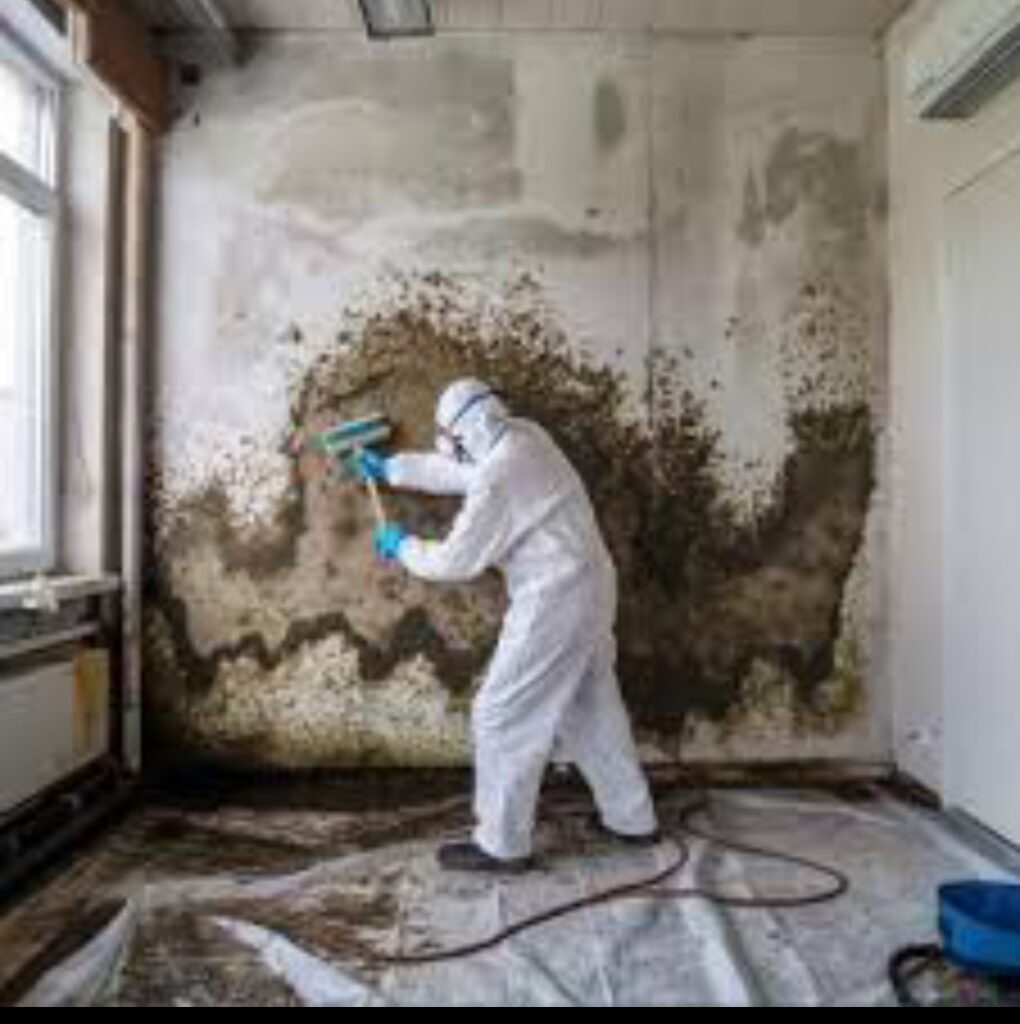
How Mold Spreads Through HVAC Systems – A Homeowner’s Guide for Homes in
If you’ve ever cleaned mold in one room only to see it pop up somewhere else, you’re not losing your mind. In Plantation homes, this usually points to one thing: the HVAC system is quietly spreading mold behind the scenes. We see this pattern all the time during inspections, and once you understand how it works, everything clicks.
Think of your HVAC system like the highway system of your home. When mold gets access to it, spores don’t stay local—they travel. And yeah, that’s where costs and frustration start piling up if no one stops it early.
Why HVAC Systems Become Mold Superhighways
Mold needs moisture, darkness, and time. Unfortunately, HVAC systems offer all three without even trying.
In Plantation homes, we frequently find mold starting in:
- Air handlers and evaporator coils
- Drain pans with standing water
- Internal insulation that stays damp
Once mold settles in these areas, every AC cycle helps it spread. That’s not bad luck—it’s airflow doing its job.
Condensation Is Normal — Lingering Moisture Is Not
Here’s something homeowners often get wrong. Condensation inside HVAC systems is expected. The problem starts when moisture doesn’t drain or dry out.
During inspections, we often uncover:
- Clogged AC drain lines
- Overflowing drain pans
- Moist AC closets
When moisture hangs around, mold wastes zero time getting comfortable.
How Mold Moves From the System Into Your Home
Mold spores are tiny and lightweight. When air moves, spores move with it. That’s why HVAC-related mold issues rarely stay in one place.
Common signs we see include:
- Musty odors that move from room to room
- Mold appearing in multiple areas
- Regrowth shortly after cleaning
If mold seems to “travel,” your HVAC system usually plays a role.
Ductwork Isn’t as Dry as You Think
Out of sight doesn’t mean dry. Dust builds up inside ducts, and dust holds moisture like a sponge—especially in Florida humidity.
Inspections in Plantation homes often reveal:
- Mold near supply vents
- Damp duct insulation
- Condensation inside duct runs
Once spores enter the duct system, they circulate fast.
Why DIY Cleaning Never Solves HVAC Mold
Scrubbing vents feels productive. We get it. But inspections show surface cleaning barely scratches the surface.
After DIY attempts, we frequently still find:
- Mold inside air handlers
- Spores circulating through ducts
- Mold returning in the same spots
IMO, this is why homeowners feel stuck in a loop. The source never gets addressed. 😕
Humidity Keeps the Cycle Going
Plantation humidity doesn’t just help mold grow—it helps it spread. Moist air keeps spores airborne longer, which lets them travel farther.
Inspection readings often show:
- Indoor humidity above recommended levels
- Condensation on vents
- Air that feels damp even when cool
Without humidity control, HVAC mold problems don’t stay small.
Early Warning Signs Most Homeowners Miss
HVAC mold doesn’t announce itself loudly. It creeps in quietly, and homeowners usually notice symptoms before seeing growth.
Watch for:
- Musty smells when the AC turns on
- Allergy-like irritation indoors
- Mold popping up in different rooms
If that sounds familiar, your HVAC system deserves a closer look.
What Actually Stops Mold From Spreading
Here’s the good news: HVAC mold problems are fixable when you focus on the right things.
Effective solutions include:
- Fixing condensation and drainage issues
- Managing indoor humidity
- Inspecting and treating HVAC components
- Improving airflow
When moisture leaves, mold loses its advantage.
Why Inspections Matter (No Guesswork)
Guessing leads to repeat problems. Inspections give answers.
A proper HVAC-focused inspection helps:
- Identify hidden mold sources
- Stop system-wide spread
- Prevent repeat growth
That saves money, time, and a lot of frustration.
Final Thoughts
Mold spreading through HVAC systems isn’t rare in Plantation homes—it’s common. The difference between ongoing problems and long-term solutions comes down to understanding airflow and moisture.
Homes in deal with humidity year-round, so ignoring HVAC systems only gives mold more opportunities.
If mold keeps showing up in new places, stop cleaning symptoms and start checking the system.
