
Practical Advice From Experts: HVAC Mold Insights for Homes in Davie
If you live in Davie, Florida, your HVAC system works hard almost every day of the year. Between heat, humidity, afternoon storms, and year-round AC use, your system is constantly battling moisture. And where moisture goes, mold loves to follow.
HVAC mold is one of the most misunderstood problems homeowners face. It’s often invisible, spreads quietly, and shows up as “allergies,” “dust,” or “that weird smell” long before anyone realizes mold is involved. Let’s break down what HVAC mold really is, why it’s so common in Davie homes, and what experts want homeowners to know—without the scare tactics or technical overload.
Why HVAC Mold Is So Common in Davie Homes
Davie’s climate creates a perfect storm for HVAC mold growth:
- High humidity most of the year
- Heavy AC usage
- Frequent temperature changes that cause condensation
- Older ductwork in many neighborhoods
- Attics and crawlspaces that trap moisture
Your HVAC system naturally pulls air from your home, cools it, and sends it back through ducts. If moisture builds up anywhere in that process, mold can begin growing quietly inside the system.
The problem isn’t just that mold exists—it’s that your HVAC system can distribute mold spores throughout your entire home.
Where Mold Hides Inside HVAC Systems
Many homeowners assume mold only grows on vents they can see. In reality, the most serious growth is often hidden.
Common HVAC mold hotspots include:
- Inside air ducts
- On evaporator coils
- In drain pans and clogged drain lines
- Inside air handlers
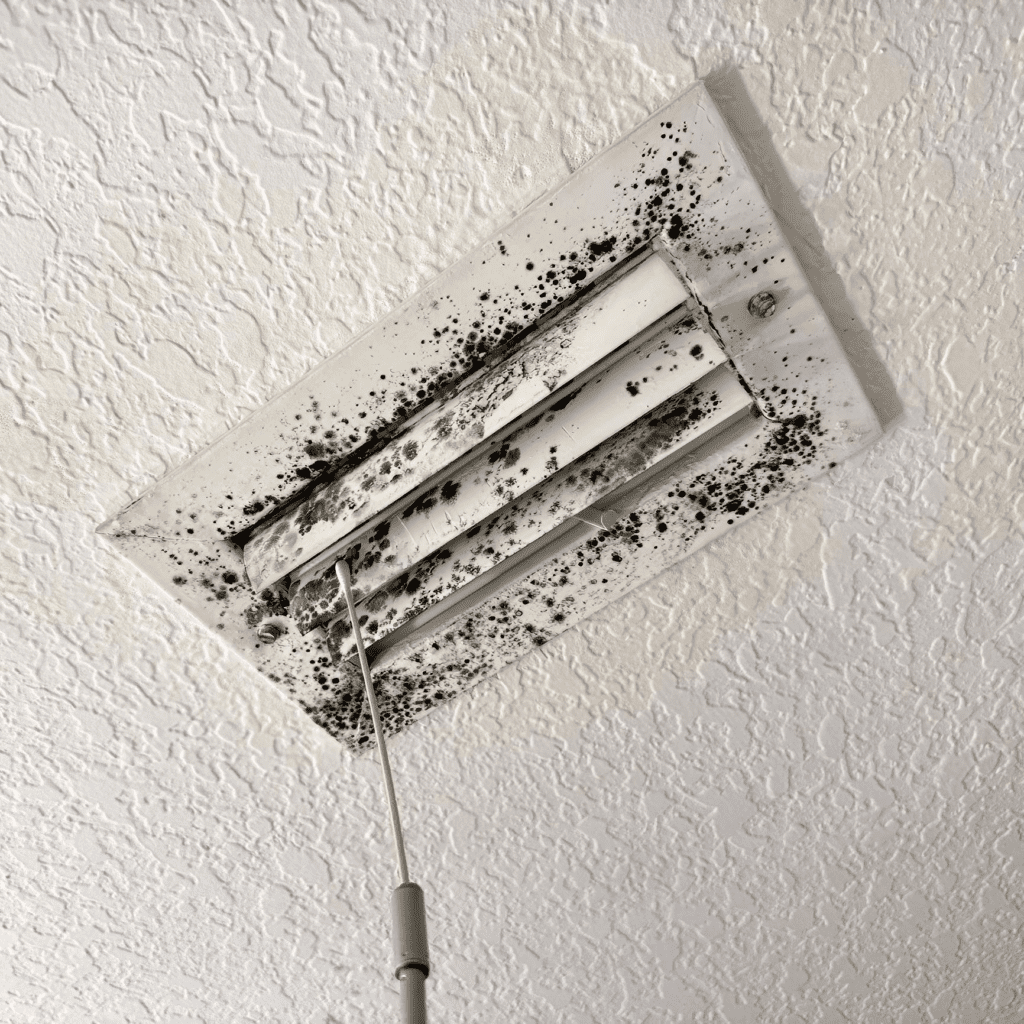
- Around supply and return vents
- Inside insulation lining the ducts
Because these areas are out of sight, mold can grow for months—or even years—before anyone realizes there’s a problem.
The Science, Explained Simply
Mold needs three things to grow:
- Moisture
- Warm temperatures
- Organic material (dust, skin cells, insulation, debris)
Your HVAC system provides all three.
When warm, humid air passes over cold AC components, condensation forms. If that moisture doesn’t drain properly or dry quickly, mold spores settle in and start growing. Once established, mold releases microscopic spores into the airflow—meaning every time your AC turns on, spores can circulate through your home.
Signs HVAC Mold May Be Affecting Your Home
Experts see the same warning signs over and over in Davie homes. Watch for:
- Persistent allergy symptoms indoors
- Sneezing, coughing, or itchy eyes that improve when you leave home
- Musty or sour odors when the AC runs
- Black or dark buildup around vents
- Excessive dust that returns quickly after cleaning
- Uneven airflow or increased humidity indoors
If multiple symptoms appear together, HVAC mold should be on your radar.
Why HVAC Mold Is Different From Surface Mold
Bathroom or kitchen mold is often visible and localized. HVAC mold is different—and more concerning—because it affects air quality.
Instead of staying in one spot, HVAC mold:
- Travels through ducts
- Spreads spores into every room
- Exposes everyone in the home continuously
This is why people often feel “constantly sick” rather than experiencing occasional symptoms.
Who Is Most Affected by HVAC Mold
While anyone can be affected, certain groups are more vulnerable:
- Children
- Seniors
- People with asthma
- Allergy sufferers
- Individuals with weakened immune systems
Experts often see symptoms dismissed as seasonal allergies, when the real trigger is indoor air contamination.
Common HVAC Mistakes That Make Mold Worse
Many homeowners unknowingly create perfect mold conditions by:
- Running the AC with dirty filters
- Ignoring minor leaks or drainage issues
- Turning systems off for long periods in humid weather
- Using oversized AC units that cool too fast and don’t dehumidify properly
- Skipping routine HVAC maintenance
These issues allow moisture to linger—and mold to grow.
Why DIY HVAC Cleaning Is Risky
It’s tempting to grab a spray bottle or wipe down visible vents, but experts strongly warn against DIY HVAC mold cleanup.
Here’s why:
- Disturbing mold releases more spores into the air
- Bleach does not kill mold roots inside porous materials
- Improper cleaning spreads contamination deeper into ducts
- Surface cleaning doesn’t address hidden growth
In many cases, DIY attempts make indoor air quality worse, not better.
What Professional HVAC Mold Inspections Actually Do
Professional inspections focus on the parts of your system you can’t see. Experts may:
- Inspect air handlers and coils
- Check drain lines and pans
- Test duct interiors
- Measure humidity and airflow
- Identify moisture sources
The goal isn’t just to find mold—but to understand why it’s there, so it doesn’t come back.
When HVAC Mold Remediation Is Necessary
If mold is confirmed, professional remediation may be recommended. Proper remediation typically includes:
- Containing affected areas
- Removing contaminated materials when needed
- Cleaning and treating HVAC components safely
- Addressing moisture problems
- Preventing cross-contamination
This process protects both your system and your indoor air.
How Davie Homeowners Can Reduce HVAC Mold Risk
Experts agree that prevention is the best defense. Practical steps include:
- Changing HVAC filters regularly
- Keeping indoor humidity below 55%
- Scheduling routine HVAC maintenance
- Ensuring drain lines stay clear
- Using exhaust fans in kitchens and bathrooms
- Addressing leaks immediately
Small changes can dramatically reduce mold risk over time.
Why Ignoring HVAC Mold Is a Long-Term Problem
Mold doesn’t usually go away on its own. Left untreated, HVAC mold can lead to:
- Chronic respiratory irritation
- Worsening allergies or asthma
- Higher energy bills due to system inefficiency
- Damage to ductwork and insulation
- Ongoing indoor air quality issues
The longer mold remains, the harder—and more expensive—it becomes to resolve.
Final Thoughts for Davie Homeowners
In Davie, HVAC mold isn’t rare—it’s common. The difference between homes that struggle with it and homes that don’t often comes down to awareness, maintenance, and early action.
If your home smells musty, your allergies won’t improve, or your HVAC system seems off, mold could be quietly affecting your air. Understanding how HVAC mold works gives you the power to act before it turns into a bigger problem.
Clean air isn’t a luxury—it’s part of a healthy home. And in South Florida, protecting your HVAC system is one of the smartest steps you can take.
