
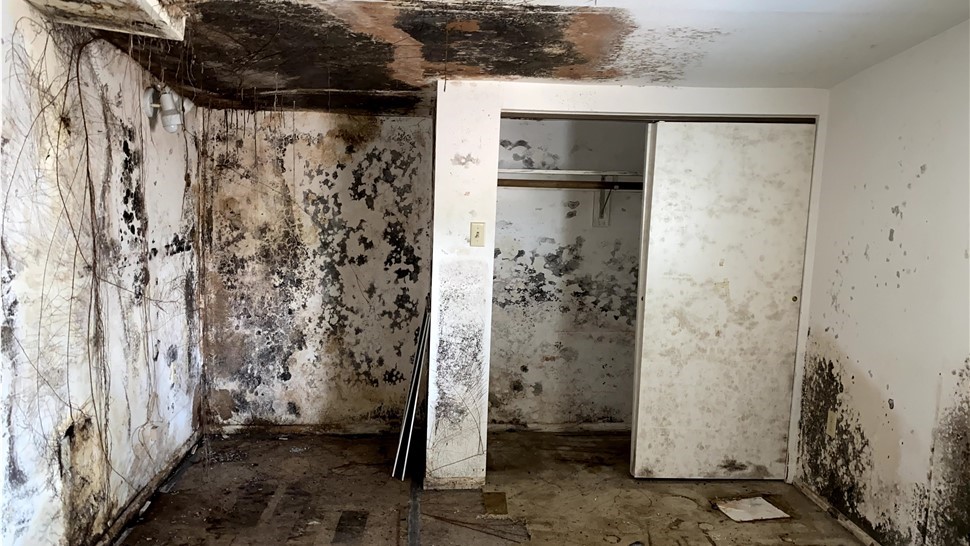
What Most People Get Wrong: Black Mold Insights for Homes in Pompano Beach
Black mold is one of the most misunderstood household issues in Pompano Beach, and much of what homeowners believe about it is shaped by fear rather than facts. In Broward County and across South Florida, mold problems are common—not because homes are dirty or neglected, but because humidity, moisture, and constant air conditioning are part of daily life.
Understanding what people get wrong about black mold—and what actually matters—can help Pompano Beach homeowners respond calmly, correctly, and effectively.
Mistake #1: Thinking All Black-Colored Mold Is “Toxic Black Mold”
One of the biggest misconceptions is that any dark or black-looking mold is automatically dangerous.
Here’s the reality:
- “Black mold” is a general term, not a medical diagnosis
- Many mold species appear black or dark green
- Only certain molds, under specific conditions, produce mycotoxins
The mold most people fear, Stachybotrys chartarum, requires constant moisture and specific materials to grow. Many black molds found in Pompano Beach homes are different species altogether.
Mistake #2: Believing Black Mold Only Grows in Dirty or Neglected Homes
Black mold has nothing to do with cleanliness.
In Pompano Beach, mold growth is commonly caused by:
- High coastal humidity
- AC condensation
- Roof or window leaks during storms
- Plumbing leaks inside walls
- Poor ventilation in bathrooms or closets
Even well-maintained homes can develop mold if moisture goes unnoticed.
Mistake #3: Assuming You’ll Always See Black Mold
Visible mold is only part of the story.
Black mold often grows:
- Behind drywall
- Under flooring
- Inside bathroom vanities
- Inside HVAC systems
- Above ceilings
Many homeowners don’t discover mold until odors or health symptoms appear—long before anything is visible.
Mistake #4: Thinking Bleach Solves Black Mold Problems
Bleach is one of the most misunderstood mold “solutions.”
What most people get wrong:
- Bleach does not kill mold roots in porous materials
- It can cause mold to release more spores
- It may remove stains while leaving active mold behind
Using bleach often hides the problem instead of fixing it.
Mistake #5: Believing Black Mold Is Always Extremely Dangerous
Black mold can cause health issues, but panic-driven assumptions are rarely accurate.
Possible symptoms include:
- Sneezing or nasal congestion
- Coughing or throat irritation
- Headaches
- Eye irritation
- Worsening asthma
Serious health effects are more likely with long-term exposure, especially for children, seniors, and people with respiratory conditions. Not every black mold situation is an emergency—but ignoring it isn’t wise either.
Mistake #6: Dismissing Musty Odors as “Just Humidity”
In coastal areas like Pompano Beach, many homeowners blame musty smells on humidity alone.
In reality, persistent musty odors often indicate:
- Hidden mold growth
- Damp insulation
- Mold inside ductwork
- Areas that never fully dry
Humidity itself usually doesn’t smell—mold does.
Mistake #7: Assuming Mold Testing Is a Scam or Unnecessary
Some homeowners believe mold testing is pointless. When used properly, testing can be extremely helpful.
Professional testing can:
- Identify hidden mold sources
- Measure airborne spore levels
- Distinguish mold from dust or debris
- Help guide proper remediation
In homes with symptoms but no visible mold, testing often provides clarity rather than fear.
Mistake #8: Thinking Black Mold Only Happens After Flooding
Flooding increases mold risk, but it’s not required.
In Pompano Beach homes, black mold often develops from:
- Small plumbing leaks
- AC drain line clogs
- Roof leaks after storms
- Poor airflow in closets or behind furniture
Even minor moisture problems can lead to mold if left unresolved.
Mistake #9: Assuming Mold Will Go Away on Its Own
Mold does not disappear permanently without intervention.
If moisture remains:
- Mold continues growing
- Spore levels increase
- Contamination spreads
Waiting almost always makes remediation more expensive and disruptive.
Mistake #10: Overlooking HVAC-Related Black Mold
One of the most common mistakes is ignoring HVAC systems as a mold source.
Mold can grow inside:
- Air ducts
- Air handlers
- Evaporator coils
- Drain pans and drain lines
When this happens, spores can circulate throughout the entire home every time the AC runs—even if the mold itself is hidden.
What Pompano Beach Homeowners Should Focus On Instead
Experts consistently recommend focusing on moisture control, not fear.
Practical steps include:
- Keeping indoor humidity below 55%
- Fixing leaks immediately
- Maintaining HVAC systems regularly
- Ensuring proper ventilation
- Addressing musty odors early
These actions reduce mold risk more effectively than panic-driven cleanup.
When Professional Help Makes Sense
Professional evaluation is often recommended when:
- Mold odors persist
- Health symptoms worsen indoors
- Mold keeps returning after cleaning
- HVAC systems are suspected
- Moisture sources are unclear
Early guidance can prevent much larger problems later.
Final Thoughts for Pompano Beach Homeowners
Black mold isn’t something to ignore—but it’s also not something to fear blindly. What most people get wrong is letting myths drive decisions instead of facts.
In Pompano Beach, black mold issues are usually the result of moisture, not neglect. By understanding how mold really behaves and addressing the root causes, homeowners can protect their health, their homes, and their peace of mind—without unnecessary stress.
