
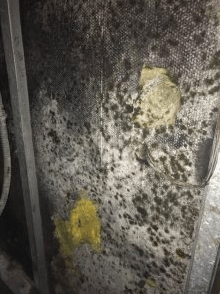
What We See Inside Homes: Air Duct Mold Insights for Homes in Lauderhill
Air duct mold is one of the most frequently overlooked problems we see inside homes in Lauderhill, Florida. Homeowners often focus on visible areas like bathrooms or kitchens, assuming their ductwork is clean because it’s hidden. In reality, air ducts are one of the most vulnerable places for mold growth in South Florida homes, especially where air conditioning runs almost nonstop.
Based on real inspections and on-site findings, this article explains what is actually happening inside air ducts in Lauderhill homes, why mold develops there, and what homeowners commonly misunderstand about the risks.
Why Air Duct Mold Is So Common in Lauderhill
Lauderhill’s climate creates near-perfect conditions for duct-related mold problems. Warm temperatures combined with high humidity mean moisture is constantly moving through HVAC systems.
The most common contributors include:
- Continuous AC operation year-round
- Humid outdoor air entering duct systems
- Condensation forming on cold duct surfaces
- Dirty or clogged AC drain lines
- Poor airflow or insulation inside ducts
Mold doesn’t need standing water—consistent moisture and dust buildup are enough.
What We Actually Find Inside Air Ducts
Many homeowners are surprised by what inspections reveal inside ductwork.
Common findings include:
- Dark spotting on duct insulation
- Mold growth near supply vents
- Damp insulation inside flex ducts
- Dust mixed with moisture on metal ducts
- Mold buildup near air handlers and plenums
In many cases, the mold is not visible from vents but exists deeper inside the system.
Why Mold Prefers Air Ducts
Air ducts provide everything mold needs to grow:
- Moisture from condensation
- Food from dust, pollen, and debris
- Stable temperatures from conditioned air
- Darkness, which mold thrives in
Once mold establishes itself inside ducts, every AC cycle can circulate spores throughout the home.
HVAC Systems: The Central Spreader
One of the biggest concerns with air duct mold is how easily it spreads.
When mold is present in ductwork:
- Spores are pushed into living spaces
- Growth can spread to vents and ceilings
- Indoor air quality declines
- Cleaning surface mold becomes ineffective
This is why homeowners often clean visible areas repeatedly without realizing the source is inside the HVAC system.
Early Signs Homeowners Often Miss
Air duct mold rarely starts with dramatic symptoms.
Early warning signs include:
- Musty odors when the AC turns on
- Dust buildup around vents
- Allergy symptoms that worsen indoors
- Uneven airflow or humidity issues
- Mold returning after surface cleaning
Because these signs are subtle, duct mold often goes undetected for long periods.
Why Visual Checks Don’t Work
Looking into a vent with a flashlight rarely tells the full story.
What visual checks miss:
- Mold deep inside flex ducts
- Growth behind insulation layers
- Contaminated air handlers
- Moisture buildup near coils
This is why many Lauderhill homeowners are shocked when duct mold is confirmed during inspections.
Condensation: The Biggest Culprit
In Lauderhill homes, condensation is the leading cause of duct mold.
This often occurs due to:
- Poor duct insulation
- Temperature differences between attic and indoor air
- High indoor humidity
- Air leaks pulling in warm, moist air
Condensation may form daily, feeding mold without homeowners ever seeing water.
Common Myths About Air Duct Mold
Myth: If vents look clean, ducts are fine
Reality: Most mold grows deeper inside the system
Myth: Air duct mold only affects old homes
Reality: Newer, tightly sealed homes can trap more moisture
Myth: Changing filters prevents mold
Reality: Filters help air quality but don’t stop condensation
Understanding these myths helps homeowners take the right steps earlier.
Health Effects Linked to Duct Mold
Because air ducts distribute air throughout the home, mold inside them can have widespread effects.
Possible impacts include:
- Persistent coughing or sneezing
- Sinus irritation
- Headaches or fatigue
- Worsening asthma or allergies
- Odors that return quickly after cleaning
Symptoms often improve when homeowners leave the house, which is a key clue.
Why DIY Cleaning Rarely Solves the Problem
Many homeowners attempt vent cleaning or surface wiping, but mold often returns.
Common reasons include:
- Moisture source remains active
- Mold inside ducts is unreachable
- Insulation remains contaminated
- AC components are not addressed
Without correcting moisture and airflow issues, mold growth continues.
Why Lauderhill Homes Are Especially Vulnerable
Local factors increase risk:
- Older duct systems
- Attics with high heat and humidity
- Long AC run times
- Seasonal rain and storms
- Aging insulation materials
These conditions make air duct mold a preventable but common issue.
What We Consistently Learn From Inspections
From real homes in Lauderhill, a few lessons stand out:
- Air duct mold is usually hidden
- Moisture control is more important than cleaning alone
- HVAC systems must be part of any solution
- Early detection prevents widespread contamination
Ignoring ductwork often allows mold problems to persist indefinitely.
Final Thoughts for Lauderhill Homeowners
In Lauderhill, Florida, air duct mold is rarely obvious—but it’s far more common than most homeowners realize. What we see inside homes shows that mold problems often start inside HVAC systems long before visible signs appear.
The most important takeaway is simple: if moisture exists in your ductwork, mold is likely not far behind. Understanding what’s really happening inside air ducts helps homeowners protect indoor air quality, reduce recurring mold issues, and maintain a healthier living environment.
