
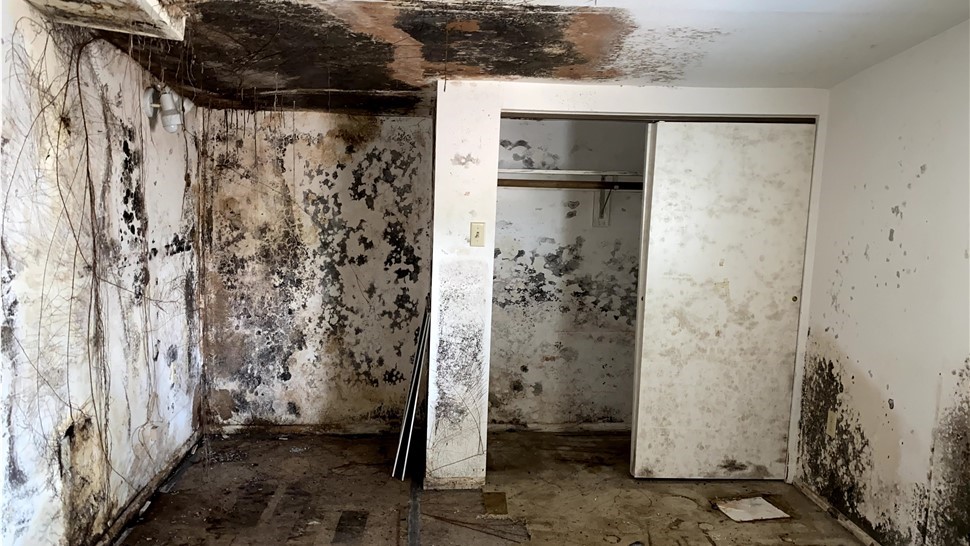
Why Mold Keeps Returning After DIY Cleaning – What the Data Tells Us for Homes in Florida
Across Florida, one of the most frustrating experiences for homeowners is seeing mold come back again and again—even after repeated cleaning. Bleach, vinegar, sprays, scrubbing, and even repainting often provide temporary relief, only for mold to reappear weeks or months later. This isn’t bad luck, and it isn’t because homeowners didn’t clean hard enough. The data from real inspections tells a very clear story: mold keeps returning because the real problem is rarely addressed.
This article explains, in practical terms, why DIY mold cleaning fails so often, what inspection data consistently shows in Florida homes, and what homeowners usually get wrong about recurring mold.
The Most Important Fact: Mold Is a Moisture Problem First
Inspection data across Florida homes—from Fort Lauderdale and Pompano Beach to Orlando and Tampa—shows one consistent pattern:
Where moisture remains, mold returns.
Mold spores exist naturally in all homes. Cleaning removes what you see, but it does nothing to stop spores from growing again if moisture is still present.
Common ongoing moisture sources include:
- High indoor humidity
- AC condensation
- Slow plumbing leaks
- Roof seepage
- Poor ventilation
As long as moisture exists, mold has everything it needs to come back.
What the Data Shows About DIY Cleaning
From inspection reports and follow-up visits, several trends appear repeatedly in homes where mold keeps returning after DIY efforts.
Most homeowners who experience regrowth had:
- Cleaned only visible mold
- Used surface cleaners or bleach
- Never checked moisture levels
- Not inspected behind walls or under flooring
- Ignored HVAC-related moisture
The cleaning worked cosmetically—but not structurally or environmentally.
Why Bleach and Surface Cleaners Don’t Stop Mold
One of the biggest myths in Florida homes is that bleach “kills mold.”
What the data shows instead:
- Bleach removes surface discoloration
- Mold roots remain inside porous materials
- Moisture is often left behind
- Mold regrows from within the material
On drywall, wood, and insulation, bleach rarely penetrates deeply enough to stop regrowth.
Hidden Mold Is the Real Reason It Comes Back
Recurring mold almost always has a hidden component.
Common hidden growth areas found during inspections include:
- Inside drywall
- Behind baseboards
- Under tile or laminate flooring
- Inside wall cavities
- In AC closets or duct insulation
Homeowners clean what they can see, while mold continues growing out of sight.
HVAC Systems: A Major Overlooked Factor
Data from Florida inspections consistently shows HVAC systems playing a role in recurring mold.
Frequent findings include:
- Mold inside air handlers
- Standing water in drain pans
- Partially clogged AC drain lines
- Wet duct insulation
When mold is present in the HVAC system, spores are redistributed every time the AC runs—making cleaning individual rooms ineffective.
Florida Humidity Makes DIY Mold Control Even Harder
Florida’s climate works against DIY mold prevention.
Key factors include:
- High year-round humidity
- Warm temperatures that accelerate growth
- Frequent rain and storms
- Constant air conditioning use
Even after cleaning, humidity alone can recreate the conditions mold needs to return.
Why Mold Often Comes Back in the Same Spot
Homeowners often notice mold returning in the exact same area.
Data shows this usually means:
- Moisture is trapped inside that material
- A leak or condensation source is nearby
- The area never fully dried internally
Paint, caulk, or cleaning masks the problem but doesn’t remove it.
The Role of Porous Materials
Florida homes contain many porous materials that mold thrives in:
- Drywall
- Wood framing
- Carpet padding
- Ceiling materials
- Insulation
Once mold establishes itself inside these materials, surface cleaning alone cannot remove it completely.
Common DIY Mistakes That Lead to Regrowth
Inspection data highlights several repeated mistakes:
- Cleaning without measuring moisture
- Ignoring humidity levels
- Not addressing AC condensation
- Repainting too quickly
- Assuming no smell means no mold
These mistakes allow mold to quietly return.
Why Mold Seems to “Spread” After Cleaning
Some homeowners report mold appearing in new areas after cleaning.
This often happens because:
- Scrubbing releases spores into the air
- HVAC systems redistribute spores
- Moisture exists in multiple locations
Without containment and moisture control, cleaning can unintentionally help spores spread.
What Actually Stops Mold From Returning
Data shows mold stops returning only when conditions change, not just surfaces.
Effective prevention focuses on:
- Identifying and fixing moisture sources
- Controlling indoor humidity
- Addressing HVAC moisture issues
- Removing contaminated materials when needed
- Ensuring proper drying
When moisture is eliminated, mold loses its ability to regrow.
Practical Takeaways for Florida Homeowners
From real inspection data across Florida, the lessons are clear:
- Mold returns because moisture remains
- DIY cleaning treats symptoms, not causes
- Hidden mold is common
- HVAC systems are often involved
- Prevention is about environment, not effort
Mold persistence is predictable—not mysterious.
Final Thoughts
In Florida homes, mold doesn’t keep returning because homeowners aren’t trying hard enough. It returns because DIY cleaning doesn’t change the conditions that allow mold to grow.
The data tells us one simple truth: until moisture is identified, controlled, and eliminated, mold will continue to come back—no matter how often it’s cleaned. Understanding this shifts the focus from endless scrubbing to smarter, long-term solutions that actually work.
