
A Homeowner’s Guide: Mold Inspection Insights for Homes in Weston
If you own a home in Weston, mold is probably not something you think about every day—and that’s exactly why it becomes a problem. Mold doesn’t usually announce itself with flashing warning signs. It grows quietly, feeds on moisture, and spreads in places most homeowners never check. By the time you see mold, it’s often been there for a while.
This guide breaks down what homeowners in Weston should know about mold inspections, how they actually work, what inspectors look for, and why skipping an inspection can cost far more than you expect.
Why Mold Is So Common in Weston Homes
Weston homes are beautifully designed, well-sealed, and energy efficient. That’s great for cooling costs—but not always great for moisture.
Common Weston-specific mold triggers include:
- High year-round humidity
- Heavy use of air conditioning
- Poor airflow in closed-off rooms
- Roof leaks after seasonal storms
- Condensation in attics, ducts, and wall cavities
Mold doesn’t need flooding to grow. Sometimes all it needs is slightly elevated moisture over time.
What a Mold Inspection Actually Is (And Is Not)
Let’s clear up a big misconception.
A mold inspection is not:
- Someone spraying chemicals
- Someone automatically removing mold
- Someone guessing based on smell alone
A professional mold inspection is a diagnostic process designed to answer three questions:
- Is mold present?
- Where is it growing?
- Why is it growing?
Without answering all three, any cleanup is incomplete.
The Areas Mold Inspectors Focus On First
Most mold inspectors in Weston follow moisture—not visible stains.
Key inspection areas usually include:
- Attics (especially near roof penetrations)
- Air ducts and HVAC components
- Bathrooms and behind vanities
- Kitchens and under sinks
- Closets on exterior walls
- Garages connected to living spaces
- Drywall behind furniture or cabinets
Mold loves dark, still air. If a space rarely gets airflow, it’s automatically suspect.
Why Visible Mold Is Only Part of the Story
Here’s the truth homeowners don’t love hearing: visible mold is often the smallest part of the problem.
What inspectors often find instead:
- Mold behind drywall with no visible stains
- Mold inside air ducts spreading spores
- Mold above ceilings from slow roof leaks
- Mold under flooring from past moisture
That “tiny spot” you wiped off the wall? It might be the tip of a much larger issue.
Moisture Testing: The Most Important Part of Any Inspection
Air samples get a lot of attention, but moisture readings matter more.
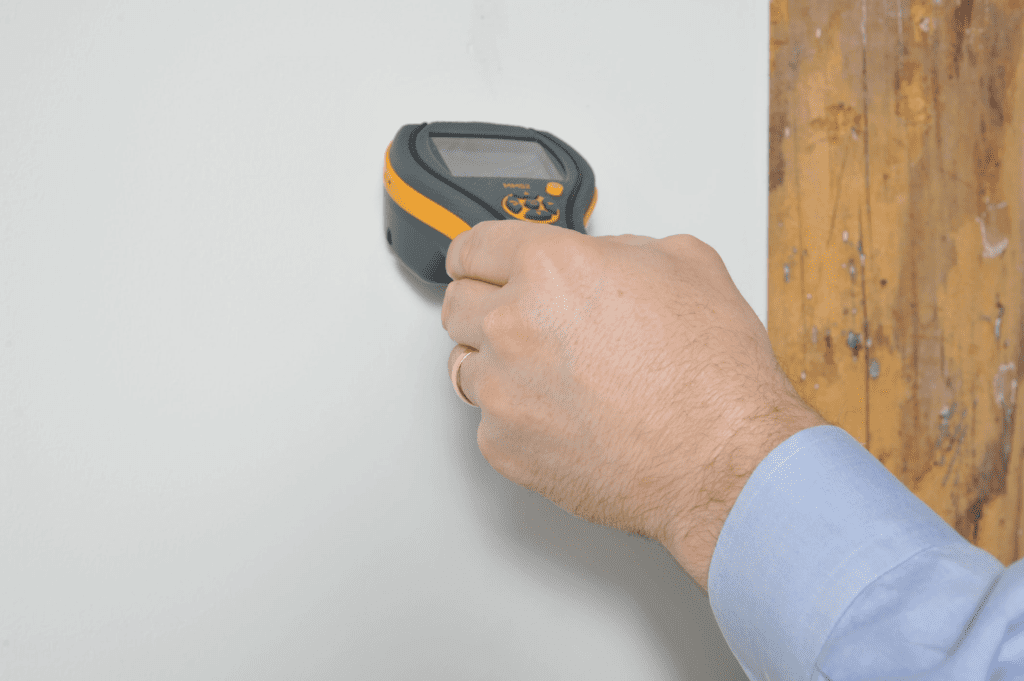
Inspectors typically use:
- Moisture meters on walls and ceilings
- Infrared cameras to detect temperature differences
- Humidity readings throughout the home
Why this matters:
Mold only grows where moisture exists. If moisture isn’t addressed, mold will return—no matter how many times it’s cleaned.
Air Sampling vs. Surface Sampling (What You Should Know)
Not every inspection needs sampling, but when used correctly, it’s helpful.
Air sampling can:
- Compare indoor air to outdoor air
- Detect hidden mold activity
- Help explain allergy or respiratory symptoms
Surface sampling can:
- Identify mold types on visible growth
- Confirm whether a substance is mold or just staining
Good inspectors don’t oversell sampling—they use it strategically, not automatically.
Common Mold Myths That Hurt Weston Homeowners
Let’s clear a few things up.
Myth: “If I don’t see mold, I don’t have mold.”
Reality: Most mold is hidden.
Myth: “Bleach fixes mold.”
Reality: Bleach may remove color, not the mold roots.
Myth: “Newer homes don’t get mold.”
Reality: Newer, airtight homes can trap moisture more easily.
Myth: “Mold inspections are only for floods.”
Reality: Most mold inspections have nothing to do with flooding.
When Weston Homeowners Should Schedule a Mold Inspection
You don’t need to panic—but you should be proactive.
Strong reasons to schedule an inspection include:
- Musty or earthy odors
- Recent roof or plumbing leaks
- Allergy symptoms that worsen at home
- Buying or selling a home
- Visible water staining
- AC running constantly but humidity feels high
Waiting usually doesn’t save money. It usually does the opposite.
How Mold Impacts Indoor Air Quality
Even small mold colonies can affect air quality.
Possible effects include:
- Persistent coughing or sneezing
- Headaches or fatigue
- Worsening asthma or allergies
- Odors that never fully go away
In Weston homes with central HVAC systems, mold spores can circulate through the entire house—not just one room.
What Happens After the Inspection
A proper inspection should end with:
- A clear summary of findings
- Moisture source identification
- Recommendations (not scare tactics)
- Guidance on whether remediation is needed
A good inspector explains what’s urgent, what can wait, and what’s simply preventative.
Why Skipping Inspection Leads to Repeat Problems
Many homeowners jump straight to cleanup without inspection.
That often leads to:
- Mold returning in the same spot
- Mold spreading to new areas
- Money spent on cosmetic fixes only
- Continued moisture issues
Inspection isn’t an extra step—it’s the foundation of a real solution.
Preventative Tips for Weston Homes
You can’t control Florida humidity—but you can manage it.
Helpful prevention steps:
- Keep indoor humidity below 55%
- Run bathroom exhaust fans longer
- Service HVAC systems regularly
- Fix leaks immediately
- Avoid pushing furniture tight against exterior walls
- Use dehumidifiers in problem areas
Prevention is always cheaper than remediation.
Final Thoughts: Knowledge Beats Guesswork
Mold inspections aren’t about fear—they’re about clarity. For homeowners in Weston, understanding what’s happening inside your walls, attic, and air system gives you control over your home’s health and value.
The biggest mistake isn’t finding mold.
It’s not knowing it’s there.
A proper mold inspection gives you answers, direction, and peace of mind—before small moisture problems turn into expensive repairs.
