
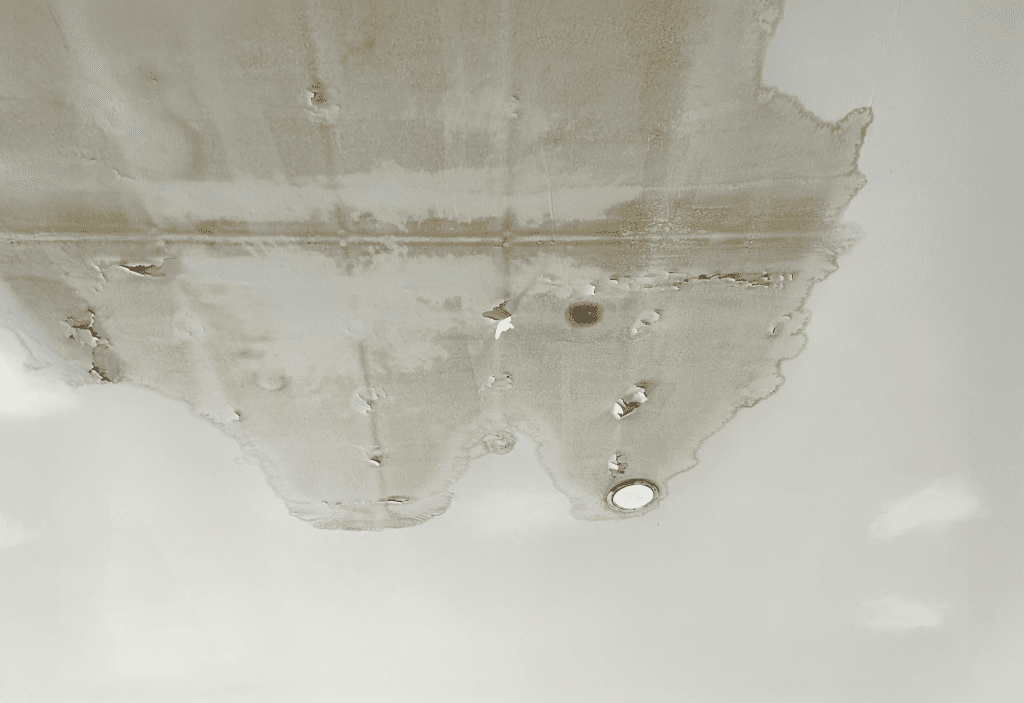
How Water Damage Turns Into Mold Problems – The Science Explained Simply for Homes in South Florida
In South Florida, water damage rarely stays a “small issue.” What starts as a minor leak, a damp wall, or a wet floor often turns into a full-blown mold problem weeks later—sometimes without obvious warning signs. Homeowners are often surprised, frustrated, and left wondering how things escalated so quickly.
The answer is science. Not complicated science—simple, predictable, Florida-specific science.
Let’s break down how water damage turns into mold, why it happens so fast in South Florida homes, and what most homeowners misunderstand about the process.
Water Damage Is the Trigger—Not the Problem
Here’s the first thing to understand:
Water itself isn’t the enemy. Moisture that lingers is.
Mold doesn’t instantly appear the moment water touches your home. The real issue is how long moisture stays trapped and where it hides.
Common water damage sources in South Florida include:
- Roof leaks after storms
- AC drain line clogs
- Slab leaks
- Plumbing leaks inside walls
- Window or door intrusion
- Flooding from heavy rain
When moisture isn’t fully dried, it sets the stage for mold growth.
Mold Needs Only Three Things (And Florida Supplies All of Them)
Mold growth sounds scary, but its requirements are simple:
- Moisture
- Organic material
- Time
South Florida homes supply all three easily.
Moisture
Humidity is already high year-round. Add a leak or water intrusion, and moisture levels skyrocket.
Organic material
Drywall, wood framing, insulation, dust, and even paint all contain organic material mold can feed on.
Time
In South Florida, mold can begin forming in 24–48 hours if moisture isn’t controlled.
That’s it. No flood required. No dramatic event needed.
Why Drying the Surface Isn’t Enough
One of the biggest homeowner mistakes is assuming that if something looks dry, it is dry.
Water moves fast—and invisibly.
After a leak:
- Water seeps behind drywall
- Moisture travels along framing
- Insulation absorbs and holds moisture
- Flooring traps dampness underneath
By the time a surface feels dry, moisture may still be active inside the structure.
This is why mold often appears weeks later, seemingly out of nowhere.
The Role of Humidity After Water Damage
Even after the initial water source stops, humidity keeps the problem alive.
In South Florida:
- Indoor humidity often stays above 60%
- AC systems remove moisture—but not always evenly
- Poor airflow allows damp pockets to persist
High humidity slows evaporation and creates a perfect environment for mold spores to activate and spread.
This is why water damage repairs that ignore humidity control often fail.
Mold Spores Are Already in Your Home
Another myth that needs clearing up: mold doesn’t “invade” your house from outside.
Mold spores already exist in every home.
They remain dormant until moisture activates them.
When water damage occurs:
- Spores land on damp surfaces
- They begin feeding
- Colonies form beneath the surface
- Spores spread through air movement
This is why mold can spread even when the original water issue seemed small.
Why Mold Loves Drywall So Much
Drywall is one of mold’s favorite materials.
Why?
- Paper backing is organic
- It absorbs moisture easily
- It dries slowly from the inside out
Once drywall gets wet and stays wet, mold often grows behind it first, not on the visible surface.
That’s why visible mold is often the last sign—not the first.
HVAC Systems: The Silent Mold Multiplier
After water damage, HVAC systems can unintentionally spread mold.
Here’s how:
- Moisture enters return air vents
- Condensation forms in ducts
- Mold grows inside the system
- Spores circulate throughout the home
In South Florida homes, where AC runs constantly, this can turn a localized moisture issue into a whole-house air quality problem.
Why Mold Problems Often Appear Months Later
Homeowners frequently say:
“The leak happened months ago. Why is mold showing up now?”
Because mold growth follows moisture patterns, not timelines.
Delayed mold issues happen when:
- Moisture wasn’t fully dried
- Humidity remained high
- Small leaks went unnoticed
- Insulation stayed damp
- Walls never fully equilibrated
Mold grows quietly until conditions are right—and then becomes visible.
Bleach, Fans, and DIY Fixes: Why They Usually Fail
DIY cleanup focuses on what you can see.
Science focuses on what you can’t.
Common DIY mistakes include:
- Bleaching visible mold only
- Using household fans instead of dehumidifiers
- Ignoring moisture readings
- Painting over water stains
- Replacing materials without fixing moisture sources
These approaches remove symptoms—not causes.
Without moisture control, mold returns.
How Professionals Stop the Mold Cycle
The science-based approach to water damage and mold involves three steps:
1. Moisture Detection
Using moisture meters and thermal imaging to find hidden damp areas.
2. Controlled Drying
Using professional dehumidification and airflow—not just surface drying.
3. Verification
Confirming moisture levels are normal before repairs or rebuilding.
Skipping any of these steps allows mold to reappear.
Why South Florida Homes Are More Vulnerable
Compared to drier climates, South Florida homes face unique challenges:
- Constant humidity
- Heavy rainfall
- Airtight construction
- Year-round AC use
- Warm temperatures that accelerate growth
What might dry naturally in another state often stays damp here.
Early Signs That Water Damage Is Turning Into Mold
Homeowners should watch for:
- Musty or earthy odors
- Allergy symptoms that worsen indoors
- Warping or bubbling paint
- Persistent humidity despite AC use
- Recurring condensation on windows
- Discoloration near baseboards or ceilings
These signs often appear before visible mold.
Prevention Is About Moisture Control—Not Fear
Mold prevention isn’t about panic. It’s about awareness.
Smart prevention includes:
- Fixing leaks immediately
- Keeping indoor humidity below 55%
- Using dehumidifiers in problem areas
- Maintaining AC systems
- Not ignoring “minor” water issues
In South Florida, small water problems rarely stay small.
Final Thoughts: Mold Is Predictable, Not Mysterious
Water damage turning into mold isn’t bad luck—it’s biology and physics doing what they always do. When moisture lingers in a warm, humid environment with organic materials, mold follows.
For South Florida homeowners, understanding this process is empowering. When you know how water damage turns into mold, you know where to intervene, what to fix, and how to prevent repeat problems.
The real danger isn’t water damage itself.
It’s what happens when moisture is ignored.
