
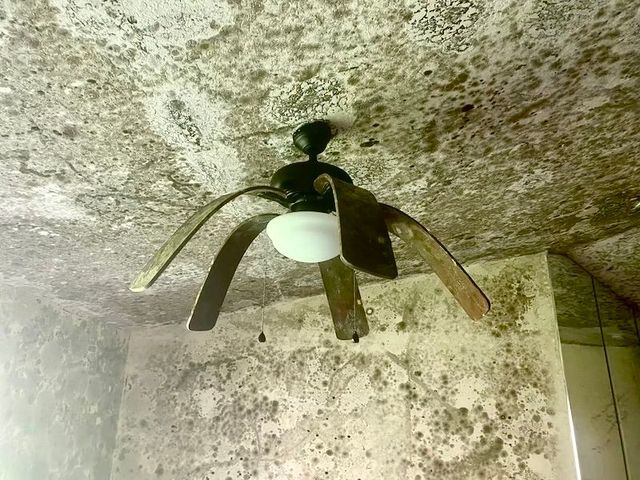
Health Effects of Long-Term Mold Exposure – Practical Advice From Experts for Homes in Florida
Living in Florida means sunshine, warm temperatures, and—whether homeowners like it or not—persistent humidity. When moisture isn’t controlled, mold doesn’t just damage buildings. It affects the people living inside them. Long-term mold exposure is rarely dramatic at first. Instead, it builds quietly, triggering symptoms that many homeowners dismiss, misdiagnose, or normalize.
This guide breaks down the real health effects of long-term mold exposure, explains why Florida homes are especially vulnerable, and offers practical, science-based advice homeowners can actually use.
Why Long-Term Mold Exposure Is a Florida Problem
Mold exposure happens everywhere, but Florida creates a perfect environment for chronic exposure.
Key Florida-specific factors include:
- High year-round humidity
- Frequent rain and storm activity
- Constant air conditioning use
- Airtight homes that trap moisture
- Mold growth inside walls, attics, and HVAC systems
In many Florida homes, mold isn’t obvious. It grows behind drywall, above ceilings, inside ductwork, and slowly releases spores into the air. That’s how exposure becomes long-term—without obvious warning signs.
How Mold Exposure Actually Affects the Body
Mold doesn’t need to be toxic to cause health issues. The problem is repeated inhalation of spores and fragments over time.
When mold spores are inhaled:
- The immune system reacts
- Airways become irritated
- Inflammation increases
- Symptoms worsen with continued exposure
For some people, effects appear quickly. For others, symptoms take months or years to become noticeable.
Respiratory Problems Linked to Long-Term Mold Exposure
The lungs are usually affected first.
Common respiratory symptoms include:
- Chronic coughing
- Wheezing or shortness of breath
- Chest tightness
- Recurring sinus infections
- Persistent throat irritation
In Florida homes with central AC systems, mold spores can circulate constantly, meaning the lungs never get a break from exposure.
Mold and Asthma (A Serious Combination)
Long-term mold exposure is strongly associated with asthma development and flare-ups.
Mold can:
- Trigger asthma attacks
- Increase attack frequency
- Reduce response to medication
- Worsen nighttime symptoms
Children, seniors, and people with existing asthma are especially vulnerable. In many cases, symptoms improve significantly only after mold exposure is reduced.
Chronic Sinus and Nasal Issues
Many Florida homeowners live with sinus problems for years without realizing mold is a factor.
Long-term exposure may cause:
- Constant nasal congestion
- Facial pressure or headaches
- Post-nasal drip
- Reduced sense of smell
- Frequent sinus infections
Because symptoms resemble allergies or colds, mold exposure often goes unrecognized.
Skin and Eye Irritation From Mold Exposure
Mold doesn’t just affect breathing.
Long-term exposure can lead to:
- Itchy or irritated skin
- Rashes with no clear cause
- Red, burning, or watery eyes
These symptoms often worsen indoors and improve when away from the home—a major clue many homeowners overlook.
Fatigue, Brain Fog, and Cognitive Symptoms
One of the most misunderstood effects of mold exposure is neurological impact.
Some people experience:
- Chronic fatigue
- Difficulty concentrating
- Memory issues
- Headaches or migraines
- Mood changes or irritability
These symptoms are often blamed on stress, aging, or sleep issues—while the real trigger continues inside the home.
Immune System Stress and Frequent Illness
Long-term mold exposure can overwork the immune system.
Possible effects include:
- Increased sensitivity to allergens
- Frequent colds or infections
- Longer recovery times
- Worsening autoimmune symptoms
Instead of fighting outside threats, the immune system stays constantly activated indoors.
Why Symptoms Often Go Undiagnosed
One reason mold exposure causes long-term harm is because it’s rarely identified early.
Common reasons include:
- Symptoms develop gradually
- Mold isn’t visible
- Doctors treat symptoms, not environments
- Homeowners normalize discomfort
Many people only connect the dots after symptoms disappear during travel—or worsen when returning home.
Children and Seniors Face Higher Risks
Long-term mold exposure affects everyone, but some groups are more vulnerable.
Children
- Developing lungs are more sensitive
- Higher risk of asthma development
- Greater impact on sleep and learning
Seniors
- Weakened immune response
- Higher risk of respiratory complications
- Slower recovery from illness
In multi-generational Florida homes, exposure risks multiply.
Mold Exposure Through HVAC Systems (A Major Florida Issue)
In Florida, HVAC systems often become distribution systems for mold.
Problems arise when:
- Condensation forms inside ducts
- Drain pans stay wet
- Coils harbor mold growth
- Filters aren’t changed regularly
Once mold enters the system, spores circulate throughout the entire home—making exposure constant.
Why “Cleaning Mold” Doesn’t Fix Health Problems
Many homeowners try to clean visible mold and expect symptoms to improve.
Often, they don’t—because:
- Mold roots remain behind materials
- Hidden growth continues releasing spores
- Moisture problems persist
- HVAC systems remain contaminated
Health effects improve only when exposure is actually reduced, not just when stains disappear.
Practical Advice From Experts: What Actually Helps
Health professionals and indoor air specialists consistently recommend the same steps.
Control Moisture First
- Keep indoor humidity below 55%
- Fix leaks immediately
- Address condensation issues
Don’t Ignore Hidden Areas
- Attics
- Wall cavities
- Air ducts
- Closets on exterior walls
Improve Air Quality
- Maintain HVAC systems
- Use proper filtration
- Ensure adequate airflow
Get Objective Information
- Inspections identify moisture sources
- Testing can confirm airborne exposure
- Data helps guide real solutions
When Health Symptoms Should Trigger Home Investigation
Consider evaluating your home environment if:
- Symptoms worsen indoors
- Multiple household members feel unwell
- Issues improve when away from home
- Musty odors persist
- Past water damage occurred
Ignoring these patterns delays recovery.
Prevention Is the Best Health Strategy
Preventing mold exposure is far easier than dealing with long-term health effects.
Florida homeowners should:
- Monitor indoor humidity
- Service AC systems regularly
- Use exhaust fans properly
- Avoid sealing moisture into walls
- Act quickly after any water intrusion
Small steps make a big difference over time.
Final Thoughts: Health Effects Are Often the First Warning
Long-term mold exposure rarely announces itself with dramatic symptoms. Instead, it shows up as fatigue, congestion, headaches, breathing issues, and chronic discomfort—the kinds of problems people live with for years without answers.
For Florida homeowners, the goal isn’t panic. It’s awareness. When moisture is controlled and exposure is reduced, many people notice real improvements in how they feel, sleep, and breathe.
The most important takeaway is simple:
If your health feels worse at home than anywhere else, your home deserves a closer look.
