
Why Mold Grows in Florida Homes – What We See Inside Homes for Homes in Fort Lauderdale
If you live in Fort Lauderdale, mold isn’t a sign your home is dirty, neglected, or poorly maintained. It’s something we see every single day, even in clean, newer, high-end homes. Florida creates the perfect environment for mold growth, and most homeowners don’t realize what’s happening until the problem is well established.
This article breaks down why mold grows in Florida homes, what we consistently see inside Fort Lauderdale houses, and why mold problems here behave very differently than in other parts of the country.
Florida Gives Mold Everything It Wants
Mold growth isn’t random. It’s predictable.
Mold needs only three things:
- Moisture
- Organic material
- Time
Florida homes provide all three—almost year-round.
Fort Lauderdale’s climate delivers:
- High humidity most of the year
- Warm temperatures that accelerate growth
- Frequent rain and storms
- Long AC run times that create condensation
Once moisture lingers, mold doesn’t hesitate.
What We Actually See Inside Fort Lauderdale Homes
Here’s the part most homeowners don’t expect.
The majority of mold we find is not visible.
Instead, we see:
- Mold behind drywall with clean-looking walls
- Heavy growth inside air handlers and ducts
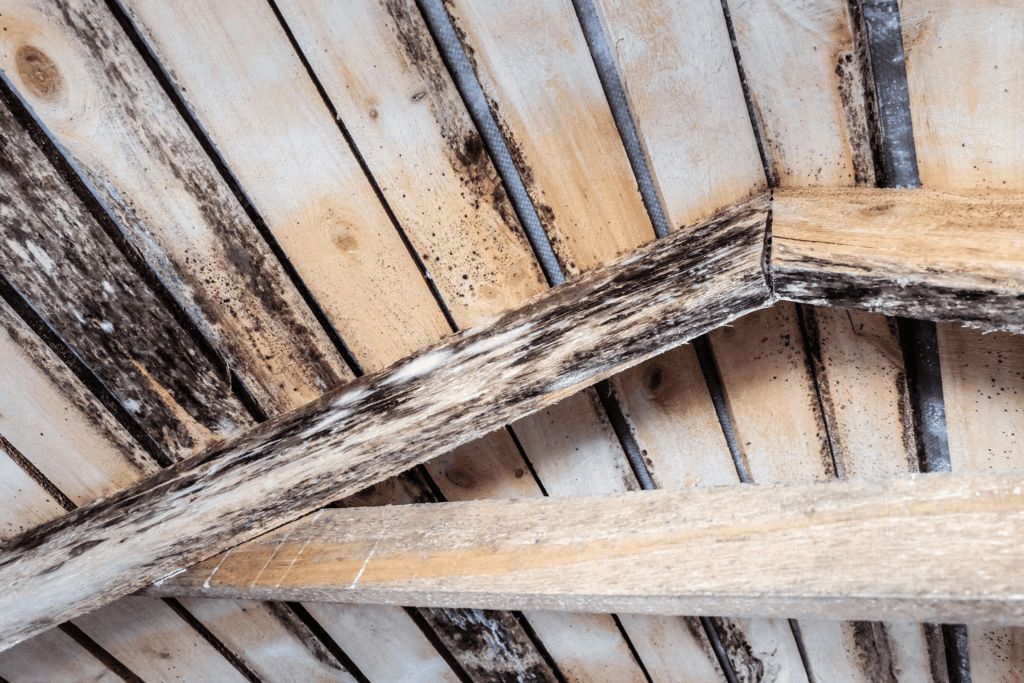
- Attic mold above bedrooms and hallways
- Mold under sinks with no leaks showing
- Mold inside closets on exterior walls
- Mold beneath flooring after old water events
By the time mold is obvious, it’s usually been there for months—or longer.
Humidity Is the Silent Driver
In Fort Lauderdale homes, humidity is the main culprit, not flooding.
Common indoor humidity problems we see:
- Indoor levels consistently above 60%
- Poor airflow in closed rooms
- Oversized AC systems that cool fast but don’t dehumidify
- Homes kept closed year-round with no fresh air exchange
Even without leaks, high humidity alone can support mold growth on walls, furniture, and inside HVAC systems.
Air Conditioning Helps… and Hurts
AC is essential in South Florida—but it also creates problems.
What we often find:
- Condensation forming on ducts
- Mold growing on evaporator coils
- Wet drain pans that never fully dry
- Microbial growth inside air handlers
Because AC runs almost nonstop, mold spores inside the system get circulated throughout the entire home. What starts in one location quickly becomes a whole-house air issue.
Why Newer Homes Get Mold Too
One of the biggest myths in Fort Lauderdale is that newer homes don’t get mold.
In reality, we often see more mold in newer construction because:
- Homes are tightly sealed
- Moisture gets trapped inside
- There’s less natural drying
- Builders focus on energy efficiency, not humidity control
Airtight homes without proper moisture management become perfect mold incubators.
Hidden Leaks Are More Common Than You Think
Many Fort Lauderdale mold cases start with leaks homeowners never see.
Common hidden moisture sources:
- Slow plumbing leaks inside walls
- AC drain line backups
- Roof leaks after storms
- Window and sliding door intrusion
- Slab leaks beneath flooring
These leaks don’t cause dramatic damage—but they keep materials damp just long enough for mold to grow.
Drywall Is Mold’s Favorite Food
We see drywall mold constantly.
Why drywall is a problem:
- Paper backing is organic
- It absorbs moisture easily
- It dries slowly from the inside
- Mold grows behind it first—not on the surface
This is why mold often appears “out of nowhere.” It didn’t just start—it finally became visible.
Closets and Exterior Walls Are High-Risk Areas
Some of the worst mold we see is in places homeowners rarely check.
High-risk zones include:
- Closets on exterior walls
- Behind furniture pushed against walls
- Guest rooms with little airflow
- Laundry rooms
- Garages connected to living spaces
Low airflow + humidity = mold growth waiting to happen.
Why DIY Cleaning Usually Makes It Worse
Many Fort Lauderdale homeowners try to handle mold themselves—and unintentionally spread it.
Common DIY mistakes:
- Bleaching visible mold only
- Painting over stains
- Running household fans (which spread spores)
- Ignoring moisture readings
- Treating symptoms, not sources
DIY cleanup often removes discoloration, not the mold itself. The growth continues behind surfaces, quietly expanding.
Mold and Indoor Air Quality Go Hand in Hand
One thing we see over and over: homeowners with mold problems also have air quality complaints.
Common signs include:
- Persistent musty odors
- Allergy symptoms that worsen at home
- Headaches or fatigue
- Congestion that never fully clears
When mold is inside walls or HVAC systems, you’re not just dealing with a building issue—you’re dealing with what you’re breathing.
Why Mold Keeps Coming Back in Florida Homes
Recurring mold is almost always a moisture issue.
We see repeat problems when:
- Humidity isn’t controlled
- Leaks are “patched” but not fixed
- Mold is cleaned without drying
- HVAC issues are ignored
Mold removal without moisture control is temporary—especially in Fort Lauderdale’s climate.
What Actually Stops Mold Growth
Successful mold prevention always focuses on moisture.
What works:
- Keeping indoor humidity below 55%
- Fixing leaks immediately
- Proper AC sizing and maintenance
- Using dehumidification where needed
- Improving airflow in problem rooms
- Identifying hidden moisture early
When moisture is controlled, mold struggles to survive—even in Florida.
Early Warning Signs Homeowners Shouldn’t Ignore
If you notice:
- Musty or earthy odors
- Condensation that doesn’t go away
- Paint bubbling or peeling
- Warped baseboards
- Persistent humidity despite AC use
These are not cosmetic issues—they’re early mold indicators.
Why Fort Lauderdale Homes Need a Different Approach
Florida mold problems don’t behave like mold in dry climates.
Here:
- Mold grows faster
- Spreads farther
- Hides better
- Comes back easier
That’s why solutions that work elsewhere often fail here.
Final Thoughts: Mold in Florida Homes Is Predictable
Mold growth in Fort Lauderdale homes isn’t mysterious. It’s the natural result of humidity, moisture, warm temperatures, and modern construction. What surprises homeowners isn’t why mold grows—it’s where it’s growing and how long it’s been there.
The biggest mistake isn’t discovering mold.
It’s assuming you’re seeing the whole problem.
When homeowners understand what’s really happening inside their walls, ceilings, and air systems, mold becomes manageable—not overwhelming. In Florida, knowledge isn’t just power—it’s prevention.
