
Health Effects of Long-Term Mold Exposure – The Science Explained Simply for Homes in Coral Springs
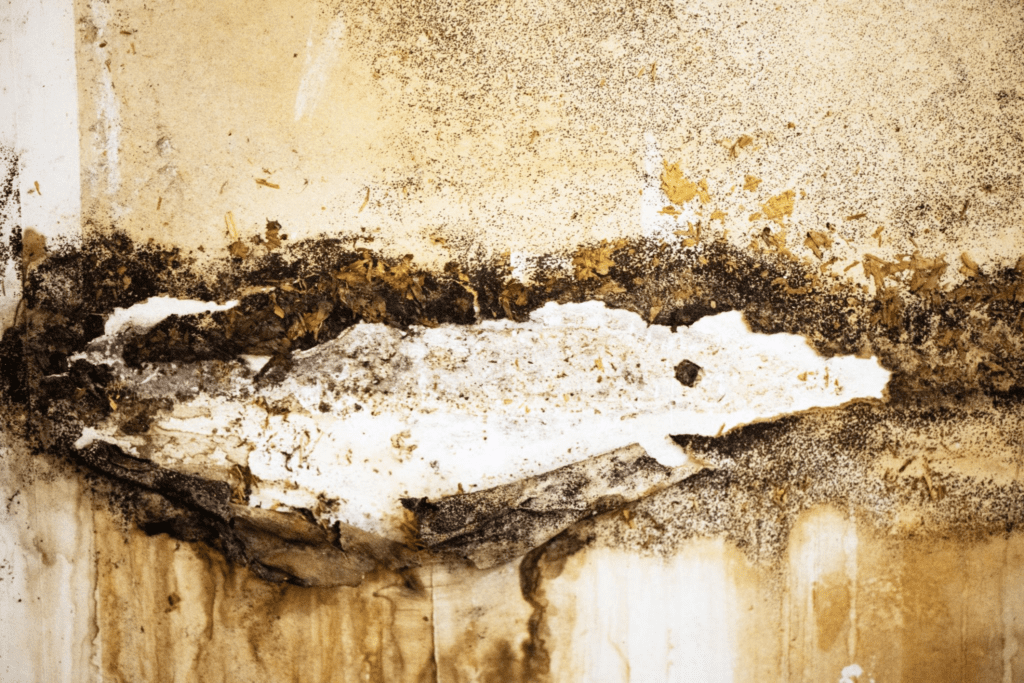
If you live in Coral Springs, long-term mold exposure is far more common than most homeowners realize. Not because people ignore their homes—but because mold often grows out of sight, quietly affecting indoor air quality day after day. The health effects don’t usually hit all at once. They build gradually, which is why many people never connect their symptoms to their home environment.
Let’s break down the science of long-term mold exposure in plain language—what’s happening in the air, how it affects the body, and why Coral Springs homes are especially vulnerable.
Why Long-Term Exposure Happens in Coral Springs Homes
Mold exposure becomes long-term when spores are present in indoor air continuously—not just after a visible outbreak.
Coral Springs homes face unique risk factors:
- High year-round humidity
- Warm temperatures that speed biological growth
- Heavy AC use creating condensation
- Airtight construction that traps moisture
- Mold growth inside walls, attics, and HVAC systems
When mold is hidden, exposure doesn’t feel obvious. You’re not reacting to a spill—you’re breathing the same air every day.
The Simple Science: What Mold Releases Into the Air
Mold doesn’t need to be visible to affect health.
As mold grows, it releases:
- Spores (microscopic particles)
- Fragments (broken pieces of mold)
- Microbial byproducts
These particles are small enough to stay airborne and circulate through the home—especially in houses with central air conditioning, which is almost every home in Coral Springs.
How Mold Exposure Affects the Body Over Time
The body doesn’t usually react dramatically at first. Instead, it responds incrementally.
With repeated exposure:
- The immune system stays activated
- Airways become irritated
- Inflammation increases
- Symptoms worsen gradually
This is why people often say, “I’ve just felt off for a while.”
Respiratory Effects: The Most Common Impact
The lungs and sinuses are usually affected first.
Long-term exposure is commonly associated with:
- Chronic coughing
- Wheezing or shortness of breath
- Chest tightness
- Recurring sinus infections
- Persistent throat irritation
Because exposure is constant, symptoms may never fully resolve—even with medication.
Mold and Asthma: A Proven Connection
Science clearly shows a relationship between mold exposure and asthma.
Long-term exposure can:
- Trigger asthma in people who never had it
- Increase asthma attack frequency
- Reduce the effectiveness of inhalers
- Worsen nighttime breathing symptoms
Children in Coral Springs homes are particularly vulnerable because their lungs are still developing.
Chronic Sinus and Nasal Problems
One of the most overlooked effects of mold exposure is sinus inflammation.
Common signs include:
- Constant congestion
- Facial pressure or pain
- Post-nasal drip
- Frequent sinus infections
- Reduced sense of smell
Because these symptoms mimic allergies or colds, mold exposure often goes undiagnosed for years.
Eye, Skin, and Throat Irritation
Mold exposure doesn’t only affect breathing.
Long-term exposure may also cause:
- Itchy or burning eyes
- Watery or red eyes
- Skin irritation or unexplained rashes
- Sore or scratchy throat
A key clue experts look for: symptoms that worsen indoors and improve outside the home.
Fatigue, Headaches, and Brain Fog
Many Coral Springs homeowners are surprised to learn that mold exposure can affect how you feel mentally.
Some people experience:
- Chronic fatigue
- Difficulty concentrating
- Memory lapses
- Frequent headaches or migraines
- Mood changes or irritability
These symptoms are often blamed on stress, sleep, or aging—while the environmental trigger remains.
Immune System Stress and Frequent Illness
Long-term mold exposure can place constant stress on the immune system.
Possible effects include:
- Increased sensitivity to allergens
- Frequent colds or infections
- Slower recovery times
- Worsening autoimmune symptoms
Instead of fighting outside threats, the immune system stays busy reacting indoors.
Why Symptoms Often Go Unrecognized
Mold exposure is hard to identify because:
- Symptoms develop slowly
- Mold is often hidden
- People adapt to feeling “not quite right”
- Doctors treat symptoms, not environments
Many people only recognize the pattern when symptoms improve during travel—or worsen after returning home.
HVAC Systems and Whole-Home Exposure
In Coral Springs, HVAC systems are a major factor.
When mold grows in:
- Evaporator coils
- Drain pans
- Duct insulation
Spores can be distributed throughout the entire home. This turns a localized mold issue into continuous whole-house exposure, even if the mold itself is hidden.
Why Cleaning Mold Doesn’t Fix Health Symptoms
Surface cleaning doesn’t stop exposure when mold is hidden.
Symptoms persist when:
- Mold remains behind walls or ceilings
- Moisture sources aren’t corrected
- HVAC systems stay contaminated
Health improvements usually occur only after exposure is actually reduced, not just when stains disappear.
What Science Says Actually Helps
Experts consistently recommend focusing on exposure reduction, not fear.
Effective steps include:
- Controlling indoor humidity below 55%
- Fixing moisture sources promptly
- Maintaining HVAC systems properly
- Identifying hidden mold growth
- Improving airflow and ventilation
When moisture is controlled, mold struggles to survive—and symptoms often improve.
When Health Symptoms Should Prompt a Home Check
Consider evaluating your home if:
- Symptoms worsen indoors
- Multiple household members feel unwell
- Odors persist without explanation
- Past water damage occurred
- You feel better away from home
These patterns are strong environmental clues.
Prevention Is the Best Health Strategy
For Coral Springs homeowners, prevention matters more than reaction.
Helpful habits include:
- Monitoring indoor humidity
- Servicing AC systems regularly
- Using exhaust fans properly
- Addressing leaks immediately
- Avoiding sealing moisture into walls
Small steps significantly reduce long-term exposure risk.
Final Thoughts: Long-Term Exposure Is About Environment, Not Panic
The health effects of long-term mold exposure rarely feel dramatic—but they are real, measurable, and often reversible when exposure is reduced. For Coral Springs homes, the combination of humidity, moisture, and modern construction makes awareness essential.
The key takeaway is simple:
If your health consistently feels worse at home than anywhere else, your home environment deserves attention.
Understanding the science behind mold exposure replaces guesswork with clarity—and helps homeowners protect both their living space and their long-term well-being.
