
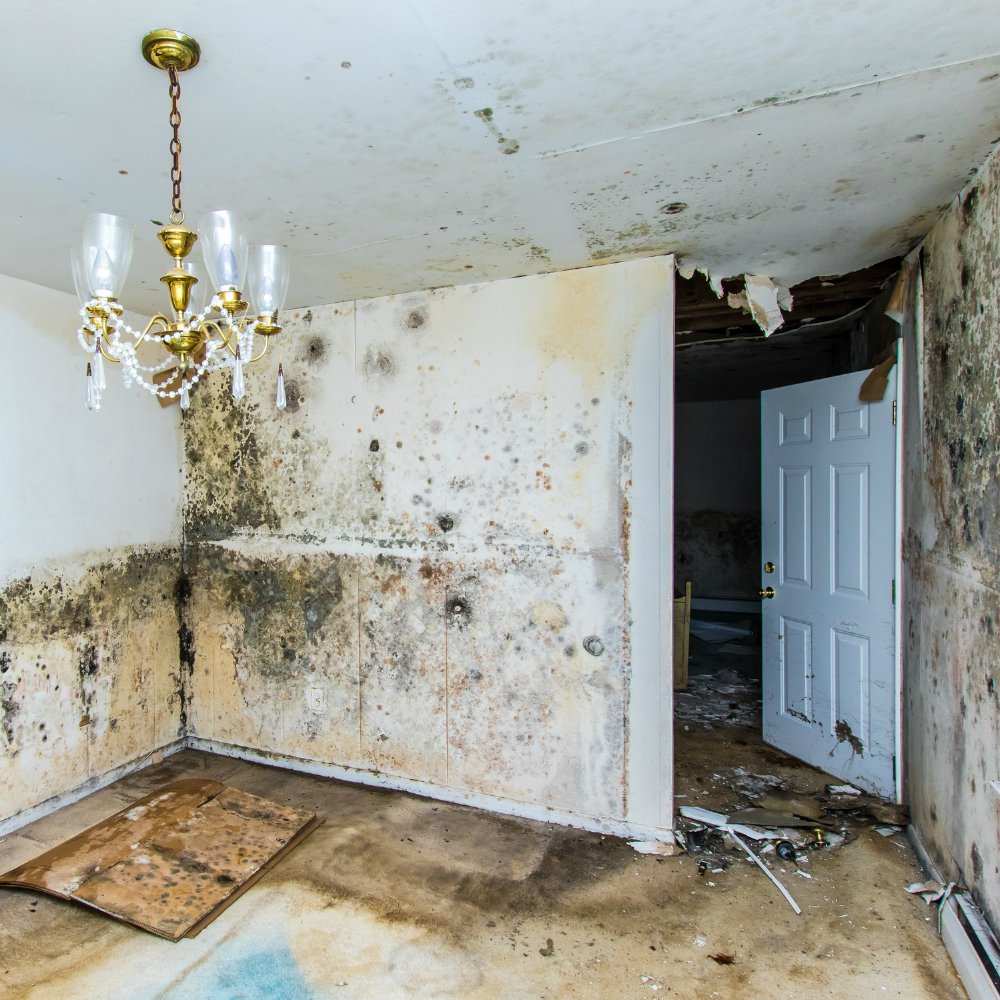
Why Mold Grows in Florida Homes – Facts vs. Common Myths for Homes in Sunrise
If you live in Sunrise, mold growth isn’t a sign that something went terribly wrong—it’s often the predictable result of Florida’s climate meeting everyday home conditions. Unfortunately, misinformation causes many homeowners to either panic unnecessarily or ignore real warning signs. Both approaches can lead to costly mistakes.
Let’s separate facts from common myths about why mold grows in Florida homes, with a clear focus on what actually happens inside homes in Sunrise.
FACT: Florida’s Climate Actively Supports Mold Growth
Mold needs three things:
- Moisture
- Organic material
- Time
Florida provides all three almost year-round.
In Sunrise, homes deal with:
- High humidity most of the year
- Warm temperatures that accelerate growth
- Frequent rain and storms
- Constant air-conditioning use that creates condensation
Mold growth here isn’t unusual—it’s environmentally encouraged.
MYTH: Mold Only Grows After Flooding
Flooding isn’t required for mold growth.
Reality:
Most mold we see in Sunrise homes comes from:
- Slow plumbing leaks
- AC drain line backups
- Roof leaks after storms
- Window or door water intrusion
- High indoor humidity alone
Even small moisture sources, if left unresolved, can lead to mold.
FACT: Humidity Is the Biggest Driver of Mold in Sunrise Homes
Standing water gets attention—but humidity does the real damage.
Common humidity-related issues include:
- Indoor humidity consistently above 60%
- Condensation on windows and vents
- Damp closets and closed rooms
- AC systems that cool but don’t dehumidify well
Mold can grow without visible leaks when humidity stays high long enough.
MYTH: If You Can’t See Mold, It Isn’t There
This is one of the most expensive myths.
Reality:
In Sunrise homes, mold is frequently found:
- Behind drywall
- Above ceilings
- Inside wall cavities
- In HVAC systems and ductwork
- Under flooring
By the time mold becomes visible, it’s often been growing for months.
FACT: Air Conditioning Both Helps and Hurts
AC is essential in Florida—but it also creates mold-friendly conditions.
What we commonly see:
- Condensation on ducts
- Wet drain pans that never dry
- Mold on evaporator coils
- Moisture buildup in air handlers
Because AC runs almost nonstop in Sunrise, mold inside HVAC systems can spread spores throughout the entire home.
MYTH: Newer Homes Don’t Get Mold
Newer construction is not immune—sometimes it’s more vulnerable.
Reality:
Newer Sunrise homes often:
- Are tightly sealed for energy efficiency
- Trap moisture indoors
- Have limited natural airflow
Without proper moisture control, airtight homes can develop mold faster than older, draftier ones.
FACT: Drywall Is Mold’s Favorite Material
Drywall shows up in nearly every mold case.
Why mold loves drywall:
- Paper backing is organic
- It absorbs moisture easily
- It dries slowly from the inside
Mold usually grows behind drywall first, which is why stains seem to appear suddenly.
MYTH: Bleach Permanently Solves Mold Problems
Bleach removes color—not the cause.
Reality:
Bleach and DIY sprays:
- Don’t kill mold roots inside materials
- Add moisture to porous surfaces
- Often make regrowth more likely
If moisture isn’t addressed, mold almost always returns.
FACT: Mold Is Often an Indoor Air Quality Issue
Mold isn’t just a surface problem—it’s an air problem.
In Sunrise homes, mold can:
- Release spores into indoor air
- Circulate through HVAC systems
- Cause persistent musty odors
- Contribute to allergy and respiratory symptoms
This is why some homeowners feel worse indoors even when they don’t see mold.
MYTH: Mold Growth Means a Home Is Dirty or Neglected
Clean homes get mold all the time.
Reality:
Mold growth has nothing to do with cleanliness. It’s about:
- Moisture levels
- Airflow
- Building materials
Some of the cleanest, best-maintained homes in Sunrise experience mold issues.
FACT: Closets and Low-Airflow Areas Are High Risk
Mold thrives where air doesn’t move.
High-risk areas include:
- Closets on exterior walls
- Guest rooms rarely used
- Laundry rooms
- Bedrooms kept closed most of the day
These spaces trap moisture—even when the rest of the home feels fine.
MYTH: Mold Appears Suddenly
It rarely does.
Reality:
Mold growth is gradual. It appears “suddenly” when:
- Moisture reaches a tipping point
- Growth finally breaks through surfaces
- Humidity spikes
By the time you notice mold, it’s usually been present for a while.
FACT: Water Damage Doesn’t Expire
Past water issues still matter.
In Sunrise inspections, we often find mold linked to:
- Old roof leaks
- Past plumbing problems
- Previous AC overflows
Even if repairs were made, residual moisture can remain trapped and support mold growth later.
MYTH: Painting Over Stains Fixes the Problem
Paint hides symptoms—not mold.
Reality:
Painting over water stains or mold:
- Seals moisture inside
- Allows mold to continue growing
- Makes future detection harder
This often leads to larger removal projects later.
What Actually Prevents Mold in Sunrise Homes
Prevention focuses on moisture—not fear.
Effective steps include:
- Keeping indoor humidity below 55%
- Fixing leaks immediately
- Maintaining HVAC systems regularly
- Improving airflow in closed rooms
- Addressing condensation early
When moisture is controlled, mold struggles to survive—even in Florida.
Early Warning Signs Sunrise Homeowners Shouldn’t Ignore
Pay attention to:
- Musty or earthy odors
- Persistent humidity despite AC use
- Condensation on vents or windows
- Bubbling paint or soft drywall
- Allergy symptoms that worsen indoors
These signs often appear before visible mold.
Final Thoughts: Mold in Florida Homes Is Predictable
Mold growth in Sunrise homes isn’t mysterious—it’s the natural result of Florida’s climate interacting with moisture, airflow, and modern construction. The biggest mistakes homeowners make come from believing common myths or waiting for visible mold to confirm a problem.
The real takeaway is simple:
Mold grows where moisture stays.
When homeowners understand the facts—and stop relying on myths—mold becomes manageable, preventable, and far less expensive to deal with in the long run.
