
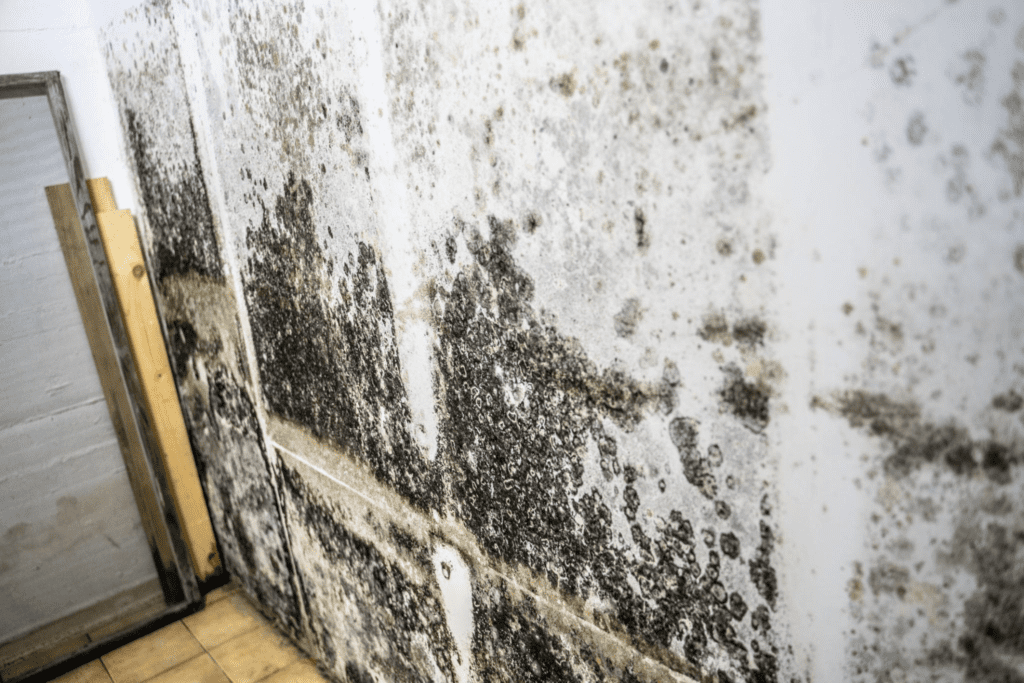
Why Mold Grows in Florida Homes – What Most People Get Wrong for Homes in Tamarac
If you own a home in Tamarac, mold growth can feel confusing—and frustrating. Many homeowners assume mold only appears after floods, plumbing disasters, or obvious neglect. In reality, most mold problems we see in Tamarac homes start because of small, everyday conditions people misunderstand or completely overlook.
This article breaks down why mold actually grows in Florida homes, what most people get wrong about it, and how Tamarac’s climate and housing style make these mistakes especially costly.
What Most People Get Wrong: “Mold Means Something Went Terribly Wrong”
One of the biggest misconceptions is that mold means a home is dirty, poorly maintained, or damaged by a major event.
Reality:
Some of the worst mold problems are found in:
- Clean, well-kept homes
- Recently renovated houses
- Newer construction with modern HVAC systems
Mold doesn’t care how nice a home looks. It cares about moisture, airflow, and time.
The Florida Formula for Mold Growth (It’s Simple)
Mold needs only three things:
- Moisture
- Organic material
- Time
Florida—and Tamarac in particular—provides all three nearly year-round.
Homes here experience:
- High outdoor humidity most of the year
- Warm temperatures that accelerate growth
- Heavy AC use that creates condensation
- Building materials like drywall and wood
Once moisture sticks around, mold growth becomes predictable—not random.
What People Get Wrong About Water Damage
Many homeowners believe:
“If there’s no leak, there’s no mold.”
That’s false.
In Tamarac homes, mold frequently grows from:
- High indoor humidity alone
- Condensation on vents and ducts
- AC drain line backups
- Minor roof leaks after storms
- Window or sliding door intrusion
Standing water isn’t required. Moisture in the air is often enough.
Humidity Is the Real Culprit (Not Flooding)
Floods get attention—but humidity causes most mold.
What experts commonly measure in Tamarac homes:
- Indoor humidity consistently above 60%
- Damp closets and closed rooms
- Condensation forming daily
At those levels, moisture settles into walls, ceilings, and insulation—creating perfect mold conditions even when surfaces look dry.
The AC Myth: “My Air Conditioning Prevents Mold”
Air conditioning helps—but it’s not a guarantee.
What many homeowners don’t realize:
- Oversized AC units cool quickly but don’t dehumidify well
- Short cycles leave moisture behind
- Poor airflow creates damp pockets
Homes often feel cool but stay humid. Mold thrives in that environment.
What People Get Wrong About Seeing Mold
Another costly myth:
“If I don’t see mold, it’s not there.”
Reality:
In Tamarac homes, mold is commonly found:
- Behind drywall
- Above ceilings
- Inside wall cavities
- In HVAC systems and ductwork
- Under flooring
Visible mold is usually the last sign—not the first.
Drywall: Mold’s Favorite Target
Drywall is involved in most mold cases.
Why?
- Paper backing feeds mold
- It absorbs moisture easily
- It dries slowly from the inside
Mold often grows on the back of drywall first, which is why stains and spots seem to appear suddenly.
Closets and Low-Airflow Rooms Are High Risk
One thing homeowners rarely suspect: closets.
In Tamarac homes, mold frequently develops in:
- Closets on exterior walls
- Guest rooms rarely used
- Bedrooms kept closed during the day
- Laundry rooms
Low airflow allows humidity to build up quietly—perfect for mold.
What People Get Wrong About Cleaning Mold
Many homeowners try to “handle it” themselves.
Common mistakes include:
- Using bleach on porous materials
- Scrubbing without containment
- Painting over stains
- Running household fans on moldy areas
These actions often remove discoloration—but spread spores and leave roots behind. The mold returns, usually worse.
Mold Is an Air Problem, Not Just a Surface Problem
Mold doesn’t stay where it grows.
In Tamarac homes with central AC:
- Spores circulate through ducts
- Odors spread from room to room
- Symptoms appear throughout the house
This is why some homeowners feel worse indoors even when they don’t see mold.
Why Mold Seems to “Come Back” in Florida Homes
Recurring mold usually isn’t bad luck—it’s unfinished work.
Mold returns when:
- Moisture sources weren’t fixed
- Humidity stayed high
- HVAC issues were ignored
- Only visible mold was cleaned
Without moisture control, mold growth is only paused—not stopped.
Early Warning Signs People Often Ignore
Before visible mold appears, experts often see:
- Musty or earthy odors
- Persistent humidity despite AC
- Condensation on vents or windows
- Bubbling or peeling paint
- Allergy symptoms worse at home
These signs are warnings—not inconveniences.
Why Tamarac Homes Are Especially Vulnerable
Tamarac homes face:
- Warm, humid conditions most of the year
- Heavy AC reliance
- Airtight construction
- Limited natural ventilation
What might dry naturally in other states often stays damp here.
What Actually Prevents Mold in Tamarac Homes
Prevention focuses on moisture—not fear.
What works:
- Keeping indoor humidity below 55%
- Fixing leaks immediately
- Maintaining HVAC systems regularly
- Improving airflow in closed rooms
- Addressing condensation early
When moisture is controlled, mold struggles to survive—even in Florida.
The Biggest Mistake Homeowners Make
The most common—and costly—mistake is waiting for confirmation.
Waiting for:
- Visible mold
- Strong odors
- Major damage
By then, mold is usually well established.
Final Thoughts: Mold Isn’t Mysterious—It’s Misunderstood
Mold growth in Tamarac homes isn’t caused by carelessness or bad luck. It’s the natural result of Florida’s climate meeting everyday moisture and airflow issues. What most people get wrong isn’t why mold grows—it’s how quietly and easily it starts.
The biggest takeaway is simple:
Mold grows where moisture stays—especially when people assume it won’t.
When homeowners understand what really causes mold, they stop reacting late and start preventing early—saving money, protecting air quality, and avoiding repeat problems in their Tamarac homes.
