
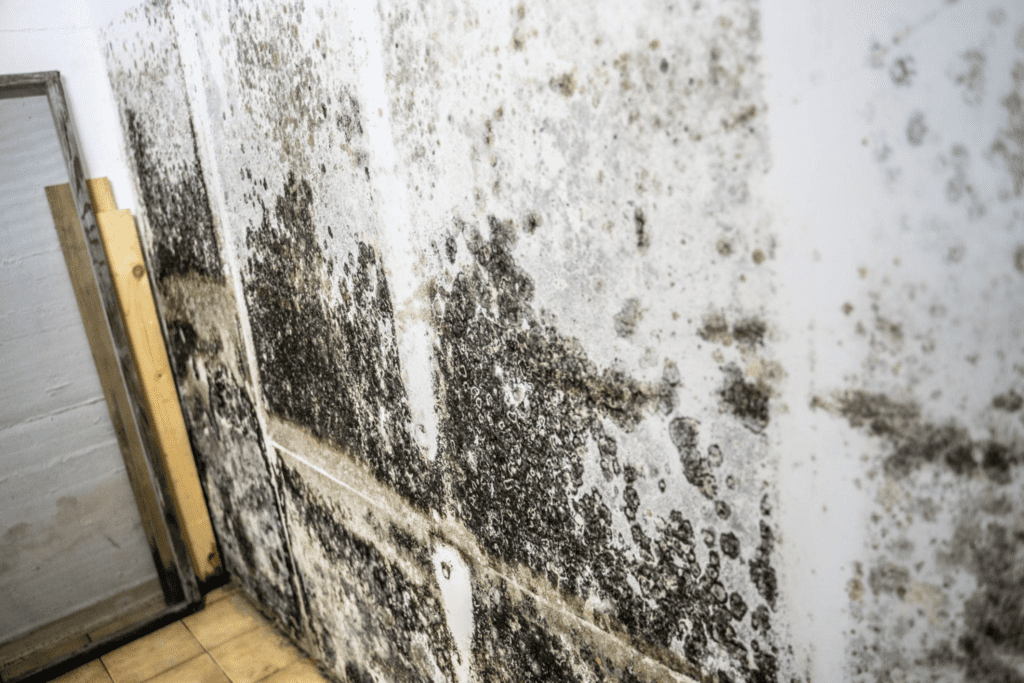
Why Ignoring It Costs More: Mold Removal Insights for Homes in Davie
If you own a home in Davie, mold is one of those problems that punishes delay. Homeowners often put off mold removal because the issue seems small, hidden, or manageable with a quick cleanup. But in Davie’s humid, warm environment, mold doesn’t stay small. What starts as a minor moisture issue quietly spreads—driving up repair costs, harming air quality, and complicating insurance or resale later.
Here’s what experts consistently see inside Davie homes—and why ignoring mold always ends up costing more.
Mold Keeps Growing When You Do Nothing
Mold doesn’t pause just because life gets busy. Once moisture is present, mold:
- Expands behind drywall and baseboards
- Spreads through insulation and framing
- Releases spores into indoor air
- Feeds on everyday building materials
Waiting doesn’t “buy time.” It gives mold time to spread into places that are harder—and more expensive—to fix.
Small Problems Rarely Stay Small in Davie
Most Davie homeowners first notice:
- A faint musty odor
- Minor discoloration on a wall or ceiling
- A small patch near an AC vent or baseboard
What professionals often find later:
- Extensive growth behind drywall
- Damp insulation saturated with mold
- Mold colonies inside HVAC components
- Moisture migration into adjacent rooms
By the time mold is visible, it’s often the smallest part of the problem.
The Cost Curve Gets Steep—Fast
Early-stage mold issues are typically localized. Delayed cases are not.
Early response often involves:
- Limited containment
- Targeted material removal
- Controlled drying and humidity correction
Delayed response often requires:
- Demolition of walls, ceilings, or cabinetry
- Insulation and flooring removal
- HVAC cleaning or component replacement
- Longer labor time and verification
Same home. Same moisture source. Very different price tag.
Moisture Is the Real Cost Driver
Mold removal is expensive when moisture isn’t addressed early.
Common Davie moisture sources include:
- AC drain line backups
- Condensation from oversized HVAC systems
- Slow plumbing leaks in walls
- Roof leaks after storms
- Window or sliding-door intrusion
- High indoor humidity above 55%
If moisture remains, mold returns—and costs repeat.
DIY “Fixes” Usually Multiply Expenses
Bleach, sprays, and quick wipe-downs are tempting—and misleading.
DIY attempts often:
- Remove surface staining only
- Leave mold roots inside materials
- Spread spores during scrubbing
- Ignore hidden moisture
Many homeowners end up paying twice: once for DIY efforts that fail, and again for professional removal after the problem spreads.
Indoor Air Quality Declines Before Damage Is Obvious
Mold isn’t just a building issue—it’s an air issue.
As mold spreads:
- Spores circulate through the HVAC system
- Musty odors become persistent
- Allergy and respiratory symptoms worsen
- Headaches and fatigue increase indoors
Health-related costs—missed work, doctor visits, medications—often appear before repair bills do.
HVAC Systems Turn Local Mold Into a Whole-Home Problem
In Davie, air conditioning runs most of the year. When mold reaches HVAC components:
- Coils and drain pans stay wet
- Duct insulation becomes contaminated
- Spores distribute room to room
At that point, mold removal may require system-wide attention, not just spot repairs—significantly increasing cost.
Structural Damage Is the Quiet Budget Killer
Over time, mold feeds on:
- Drywall paper
- Wood framing
- Subflooring
- Insulation
- Cabinetry
Ignored mold can lead to:
- Soft or weakened wood
- Warped floors
- Persistent odor absorption
- Compromised wall assemblies
Structural repairs are always more expensive than early remediation.
Real Estate and Insurance Complications Add Up
Ignoring mold can backfire during a sale or claim.
Homeowners often face:
- Failed inspections
- Reduced offers or buyer credits
- Delayed closings
- Coverage disputes if damage appears long-standing
Early documentation and action preserve options. Delay shrinks them.
What Proper Mold Removal Actually Involves
Effective mold removal is a process—not a product.
A proper approach includes:
- Identifying and fixing the moisture source
- Containing affected areas to prevent spread
- Removing contaminated materials safely
- Controlled drying and dehumidification
- Cleaning surrounding surfaces and air
- Verifying moisture levels before rebuilding
Skipping steps saves time now—and costs more later.
Why Davie Homes Are Especially Vulnerable
Davie’s conditions accelerate mold problems:
- Year-round humidity
- Warm temperatures
- Airtight construction
- Heavy AC use
Moisture that might dry naturally elsewhere often stays trapped here.
Warning Signs You’re Already Paying the Price
Don’t ignore:
- Persistent musty odors
- Repeated cleaning in the same spot
- Condensation that keeps returning
- Allergy symptoms worse at home
- Bubbling paint or warping materials
These are early invoices—delivered quietly.
Prevention Is Always Cheaper Than Removal
Smart habits for Davie homeowners:
- Keep indoor humidity below 55%
- Service HVAC systems regularly
- Fix leaks immediately
- Use exhaust fans longer
- Avoid sealing moisture into walls
Prevention costs a fraction of remediation.
Final Thoughts: Delay Is the Most Expensive Choice
Ignoring mold doesn’t save money—it postpones payment with interest. In Davie homes, mold spreads quietly, moisture lingers, and costs climb every month action is delayed.
The real question isn’t if ignoring mold will cost more.
It’s how much more you’re willing to pay later.
Addressing mold early protects your home, your air, and your budget—before a manageable issue turns into a major repair.
