
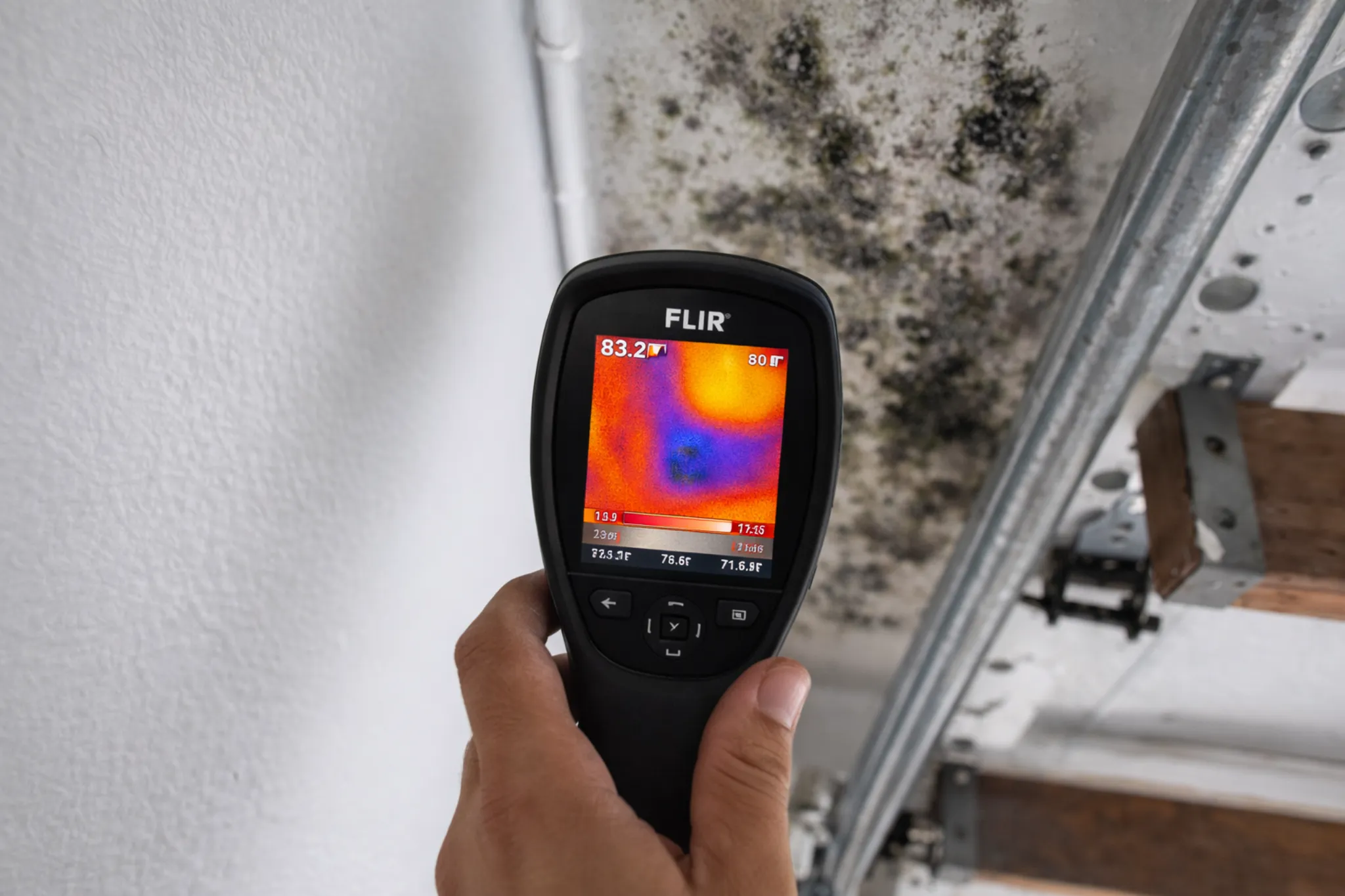
Practical Advice From Experts: Mold Testing Insights for Homes in Fort Lauderdale
If you own a home in Fort Lauderdale, mold testing can be one of the most useful—or most misunderstood—tools available. After years of real inspections across South Florida, experts agree on one thing: mold testing works best when it’s used for the right reasons, at the right time, and interpreted correctly.
This guide shares practical, expert-backed advice on mold testing for Fort Lauderdale homes—what it actually tells you, when it’s worth doing, and how to avoid wasting money or getting misleading results.
Start With the Right Mindset: Testing Is Information, Not a Fix
The first expert rule is simple:
👉 Mold testing does not remove mold.
Testing:
- Does not fix moisture problems
- Does not prevent future growth
- Does not replace inspection or remediation
What it does provide is data—information that helps homeowners decide what to do next. Used correctly, testing brings clarity. Used incorrectly, it creates confusion.
Why Mold Testing Is Especially Useful in Fort Lauderdale Homes
Fort Lauderdale homes face conditions that make hidden mold more common:
- High year-round humidity
- Frequent rain and storm activity
- Constant air-conditioning use
- Airtight construction that traps moisture
Experts often find mold growing behind drywall, above ceilings, inside HVAC systems, and under flooring—areas homeowners can’t see. In these cases, testing helps confirm whether hidden growth is affecting indoor air.
When Experts Recommend Mold Testing
Mold testing isn’t always necessary—but it’s extremely valuable in specific situations.
Experts commonly recommend testing when:
- There’s a musty or earthy odor with no visible mold
- Allergy or respiratory symptoms worsen indoors
- Past water damage occurred (even if it “seems fixed”)
- Mold is suspected inside walls, attics, or ducts
- Buying or selling a home
- Verifying conditions after remediation
If testing won’t change the next step, experts usually advise skipping it.
Air Testing: What It’s Good At (And What It Isn’t)
Air sampling is the most common type of mold testing in Fort Lauderdale homes.
What air testing does well:
- Compares indoor air to outdoor air
- Identifies abnormal spore levels indoors
- Suggests hidden mold activity
- Helps explain whole-house symptoms
What air testing cannot do:
- Pinpoint the exact mold location
- Identify moisture sources
- Measure toxicity or health risk directly
Experts treat air testing as an indicator, not a locator.
Surface Testing: Limited but Sometimes Helpful
Surface testing is often misunderstood and overused.
Experts use surface samples to:
- Confirm whether a substance is mold
- Identify mold types on visible growth
- Document conditions for reports or real estate transactions
Surface testing does not:
- Find hidden mold
- Explain air quality problems
- Replace moisture investigation
It answers “what is this?”—not “why is this happening?”
Moisture Data Matters More Than Mold Numbers
One of the biggest expert insights: mold results without moisture data are incomplete.
Mold only grows where moisture exists. Proper evaluation pairs testing with:
- Humidity readings
- Moisture meter measurements
- Condensation assessment
- HVAC inspection
If moisture isn’t identified, testing results don’t lead to lasting solutions.
There Is No Universal “Safe” Mold Level
Experts don’t rely on a single number.
Instead, they look for:
- Indoor vs. outdoor comparisons
- Dominant mold types indoors
- Patterns across multiple rooms
- Correlation with humidity and moisture
A lower number in the wrong context can be more concerning than a higher number elsewhere.
HVAC Systems Make Testing More Important in Fort Lauderdale
Because AC runs nearly year-round, HVAC systems are frequent mold pathways.
Experts often test when:
- Odors are strongest when AC turns on
- Symptoms are present throughout the home
- Mold is suspected on coils, drain pans, or ducts
Testing can help confirm whether the HVAC system is contributing to airborne exposure.
Why DIY Mold Test Kits Often Mislead Homeowners
Experts consistently caution against relying on DIY kits.
Common problems with DIY testing:
- No outdoor comparison
- No professional interpretation
- No moisture analysis
- High false-alarm potential
Most kits confirm mold exists—which is always true—without explaining whether there’s an actual problem.
Testing Before and After Remediation
Experts use testing strategically around remediation.
Before remediation:
- To confirm hidden mold activity
- To understand scope and exposure
After remediation:
- To verify that conditions have improved
- To confirm airborne mold levels are normal
Post-remediation testing is especially valuable when indoor air quality was a concern.
When Mold Testing Is Often Unnecessary
Experts don’t test just to test.
Testing may be skipped when:
- Visible mold and moisture sources are obvious
- Removal is clearly required
- Testing wouldn’t change the plan
Good professionals focus on solutions—not selling extra steps.
What a Good Mold Testing Report Should Include
A useful report should:
- Explain results in plain language
- Compare indoor and outdoor samples
- Highlight trends and patterns
- Connect findings to moisture conditions
- Recommend clear next steps
If a report causes panic without explanation, experts consider it a failure.
Common Myths Experts Hear in Fort Lauderdale
Myth: “Testing tells me exactly where mold is.”
Reality: It shows symptoms, not sources.
Myth: “Any mold on a test means danger.”
Reality: Context matters more than presence.
Myth: “Testing fixes the problem.”
Reality: Moisture control fixes the problem.
Practical Prevention Advice Experts Always Share
Homes that need less testing tend to:
- Keep indoor humidity below 55%
- Maintain HVAC systems regularly
- Fix leaks immediately
- Address condensation early
- Improve airflow in closed rooms
Moisture control reduces both mold growth and the need for frequent testing.
Red Flags That Should Prompt Testing
Experts recommend testing if you notice:
- Persistent musty odors
- Symptoms worse at home than elsewhere
- Mold that keeps returning
- Past water damage with no verification
- Whole-house air quality complaints
These patterns suggest hidden issues worth investigating.
Final Thoughts: Mold Testing Works When Used Wisely
In Fort Lauderdale homes, mold testing is neither a scam nor a silver bullet—it’s a tool. When used strategically, interpreted correctly, and paired with moisture investigation, it provides clarity and direction. When used blindly, it creates fear without solutions.
The most important expert takeaway is simple:
Mold testing is most valuable when it helps you make better decisions—not when it’s treated as the solution itself.
Homeowners who understand this use testing to protect their homes, their air quality, and their peace of mind—without wasting time or money on unnecessary steps.
